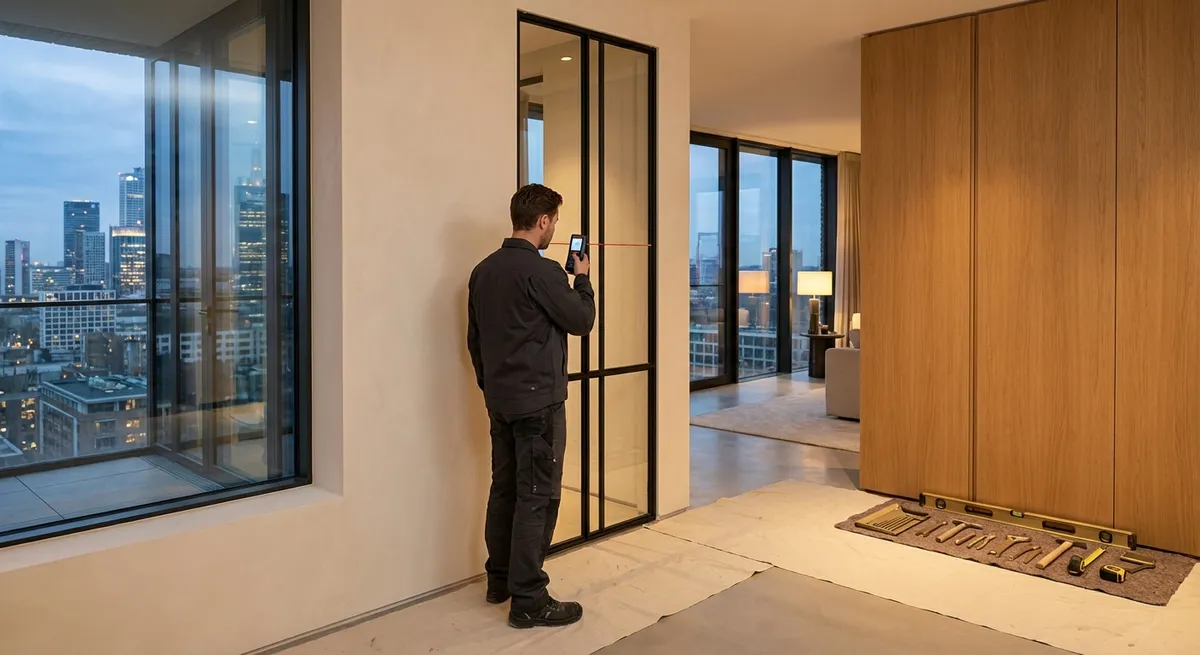
Window installation, at its finest, is less a trade and more a discipline of precision. For discerning homeowners, the difference between a standard fit and a meticulously executed installation is not merely visual; it is acoustic, thermal, tactile, and enduring. When your architecture, furnishings, and finishes are curated with intent, your windows must be installed to the same standard of refinement. This is where installation shifts from a background task to a defining layer of the home’s performance and character.
The Installation as a Performance Layer, Not a Line Item
In many projects, windows are evaluated primarily as products—brands, frame materials, glazing types. Yet for a sophisticated home, the installation should be regarded as a performance layer in its own right, with its own design, standards, and budget.
A premium window underperforms when it is constrained by a mediocre install. The interface between frame, wall, and exterior envelope determines how the unit manages air, water, vapor, and movement over time. Misaligned shims, inconsistent sealant depths, or improperly integrated flashing can erode acoustic comfort, invite drafts, or compromise finishes long before the glass itself shows any sign of fatigue.
Approach installation as an engineered assembly rather than “hardware plus labor.” Require your contractor to present the installation concept with the same clarity they use to specify the window itself: substrate preparation, flashing strategy, insulation method, sealant system, fastener layout, and how all of this integrates with your facade and interior reveals. When treated this way, installation becomes a curated layer—quietly supporting the elegance and serenity of every room.
Exclusive Insight 1: The Geometry of Sightlines Is Decided on Site
Showrooms and catalogs present windows in ideal conditions, but the geometry that matters most—your actual sightlines—is finalized at installation, not in the brochure.
Subtle decisions such as the exact placement of the frame within the wall depth, the thickness of casing or trim, and the reveal alignment between windows and adjacent doors determine how your eye reads the room. Aligning mullions with architectural axes, kitchen counters, or staircase landings can transform windows into intentional visual anchors rather than incidental openings.
A refined installer will:
- Confirm the finished floor height before setting sill elevation, ensuring consistent lines throughout the home.
- Coordinate with interior millwork so window heads and door heads share a unified datum.
- Minimize frame exposure where a “gallery-like” view is desired and emphasize framing where a classic, articulated look is preferred.
This is not merely aesthetic; precise, repeated sightlines create visual calm. In a premium residence, that sense of calm is as valuable as any material upgrade.
Exclusive Insight 2: Air Tightness Is the New Quiet Luxury
In a world focused on visible upgrades, air tightness remains one of the most understated hallmarks of a truly elevated installation. Luxury is not just what you see; it’s what you do not feel—no cold eddies around a picture window in winter, no faint whistle of wind on stormy nights, no subtle hot spots in a sun-facing room.
Air leakage is driven less by the glass itself and more by how the frame and surrounding wall are joined. Even high-spec windows can underperform if the perimeter is poorly sealed or if the installation tolerances are too generous. A precise installation uses:
- High-quality, compatible sealants and tapes, applied in controlled thicknesses.
- Compressible insulating materials that maintain contact over time, rather than loose-fill stuffed into gaps.
- Verified continuity between interior air barrier, window frame, and exterior weather barrier.
Ask your installer whether they follow or exceed recognized air-sealing standards (such as ENERGY STAR or Passive House principles) and whether they can measure performance—for example, via blower-door testing at project completion. In a truly refined home, the absence of drafts and temperature swings becomes a quiet, daily reminder that the installation was handled with care.
Exclusive Insight 3: Thermal Bridging at the Frame Is Where Comfort Is Won
When homeowners think insulation, they think walls and roof. In reality, the perimeter of each window—the junction between frame and structure—is a frequent weak point, especially in high-design homes that use larger spans of glass.
Thermal bridges occur where heat flow bypasses insulation through highly conductive materials, such as metal framing or untreated structural elements around the opening. Over time, this can manifest as:
- Cold or warm bands at the edge of the window on extreme days.
- Condensation along frames or sills, potentially affecting finishes.
- Localized discomfort, prompting overuse of HVAC and higher energy costs.
A sophisticated installation strategy addresses this with:
- Thermal breaks within frame systems where appropriate.
- Continuous, well-fitted insulation around the opening, not just “spot-filled” voids.
- Thoughtful integration of shades, interior trim, and exterior shading to support overall thermal performance.
When executed correctly, you experience a consistent room climate—even directly beside expansive glazing—without resorting to oversized mechanical systems. The result is a more serene, balanced interior atmosphere that feels inherently well-designed.
Exclusive Insight 4: Acoustics Begin at the Perimeter, Not Just in the Glass
Acoustic comfort is an increasingly sought-after luxury, especially in urban or waterfront locations. Many homeowners invest in laminated or acoustic glass, yet overlook the fact that sound will exploit any weak point in the perimeter before it struggles through the glazing.
The interface between window and structure can act as an unintended resonant path if not detailed correctly. Poorly sealed gaps, hollow cavities around the frame, or rigid connections without acoustic interruption can amplify exterior noise into interior spaces.
A refined installation will:
- Use acoustically considerate sealants and insulation at the perimeter.
- Avoid large, unsealed cavities around frames that behave like miniature sound boxes.
- Coordinate with wall assemblies designed for sound control, ensuring no discontinuities where the window interrupts the assembly.
For homeowners accustomed to quiet interiors—libraries, media rooms, primary suites—this level of acoustic detailing is essential. The sensation of closing a window and feeling the outside world soften into the background is, in many ways, a form of modern luxury.
Exclusive Insight 5: Mock-Ups and Sample Bays Are the New Non-Negotiable
High-end projects often rely on renderings and specifications; however, the most successful window installations typically include one additional step: a full mock-up or sample bay constructed exactly as it will appear in the home.
This controlled trial installation allows the team to test:
- How the chosen flashing and sealing systems behave in your exact wall assembly.
- How the selected hardware feels in the hand and aligns with your design language.
- How light, reflections, and sightlines play out at true scale, in real conditions.
For complex facades or expansive openings, a mock-up can prevent expensive revisions. It offers an opportunity to refine reveal dimensions, adjust sill profiles, or modify casing details before every opening is cut and every unit is ordered. For the homeowner, this is your most powerful tool to ensure the final result aligns not only with technical performance, but with your personal standard of elegance.
Curating the Right Installation Partner
In a sophisticated project, choosing a window installer is closer to selecting a specialist craftsperson than a generic subcontractor. The right partner brings:
- Proven experience with the specific window system you’ve selected.
- Familiarity with advanced sealing, flashing, and testing protocols.
- An ability to coordinate gracefully with architects, designers, and other trades.
Ask to see prior projects of similar scale and specification, and request details not just about aesthetics, but about performance over time: how have joints aged, how have finishes held up, and what service has been required. A premium window installation is not a one-day transaction; it is a long-term relationship between your home and the exterior environment, mediated by a team whose expertise must be both technical and aesthetic.
Conclusion
When viewed through a refined lens, window installation is the quiet architecture behind the architecture—the layer that determines how your home feels, sounds, and performs every single day. The most exceptional window solutions are not only beautifully designed and expertly fabricated; they are installed with a level of precision that respects the integrity of the entire building.
By treating installation as a performance discipline, focusing on sightlines, air tightness, thermal control, acoustic integrity, and the discipline of full-scale mock-ups, homeowners can elevate their window upgrades from a necessary improvement to an enduring investment in comfort and calm. In the end, the truest luxury is not simply seeing the view; it is inhabiting a space where every opening is flawlessly integrated into the life of the home.
Sources
- [U.S. Department of Energy – Energy-Efficient Windows](https://www.energy.gov/energysaver/design/energy-efficient-windows) - Overview of window performance, air leakage, and installation considerations from a national energy authority.
- [ENERGY STAR – Window Installation Best Practices](https://www.energystar.gov/products/building_products/residential_windows_doors_and_skylights/key_product_criteria) - Technical guidance on proper installation techniques to preserve rated window performance.
- [Efficient Windows Collaborative (University of Minnesota)](https://www.efficientwindows.org/installation/) - Research-based insights into how installation affects energy efficiency, condensation, and comfort.
- [Building America Solution Center – Window Installation Details](https://basc.pnnl.gov/resource-guides/windows) - U.S. Department of Energy resource on flashing, air sealing, and integration of windows into wall assemblies.
- [FGIA (Fenestration & Glazing Industry Alliance)](https://fgiaonline.org/pages/windows) - Industry guidance on fenestration standards, performance, and installation best practices for high-quality window systems.
Key Takeaway
The most important thing to remember from this article is that this information can change how you think about Installation.