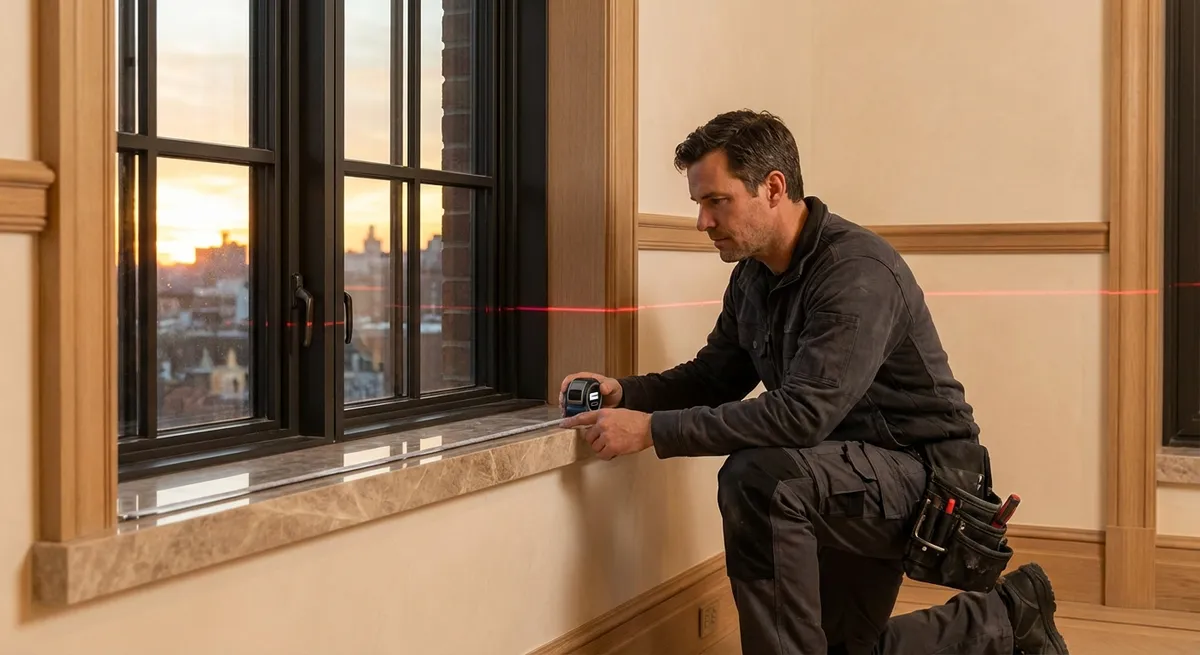
The most exquisite windows rarely announce themselves; they simply create a feeling—of quiet, of clarity, of composure. Yet that perceived effortlessness is anything but accidental. It rests on installation decisions that most homeowners never see, but always feel. When installation is treated as a craft rather than a commodity, your windows stop being a product and become a permanent architectural upgrade.
This is where refinement lives: in the millimeters that control sightlines, the hidden layers that manage moisture and air, and the alignment choices that shape how light and views are framed. Below are five exclusive, often-overlooked installation insights that elevate a window upgrade from “new” to genuinely exceptional.
The Sightline as a Design Instrument, Not an Afterthought
Where the glass meets the frame—and the frame meets the wall—determines how your eyes travel through a room. Premium installations treat this as a deliberate design decision, not a technical side effect.
When installers align frames to maintain consistent sightlines from room to room, the home gains a quiet visual rhythm. Mullions align across elevations, transoms match heights, and adjoining rooms share coherent horizontal references. This discipline is especially powerful in open-plan spaces, where uninterrupted lines visually widen the interior and make the entire architecture feel more composed.
Depth of placement also matters. Installing windows slightly deeper within the wall can create a sense of substance and architectural gravitas, much like deep-set stone openings in historic buildings. Conversely, a more flush installation with minimal trim can favor a gallery-like, contemporary aesthetic where glass appears to float in the wall.
These nuances don’t add much time to the installation, but they require a team that understands both building performance and visual proportion. The result is a home that feels meticulously considered, not simply “updated.”
Hidden Layers: How Discreet Sealing Choices Shape Long-Term Performance
What sits behind the trim is often more important than what sits in front of it. A refined installation uses a layered approach to sealing—air, water, and vapor—all working together rather than competing.
Foam alone is not a strategy; it’s one component. High-caliber installers often combine:
- Flexible flashing tapes at the sill and jambs to guide water out and away
- Backer rod and low-expansion foam for controlled insulation without frame distortion
- High-quality sealants specifically matched to each substrate (masonry, fiber cement, wood, metal)
This layered detailing controls air infiltration, which directly influences comfort and energy usage. More importantly for discerning homeowners, it also influences acoustics. Small gaps and inconsistent seals can undo some of the sound-dampening benefits of premium glazing. When seals are continuous and properly layered, you gain both quiet and stability—an interior that feels insulated from seasonal extremes and street noise alike.
The elegance here is invisible, but tangible: windows that don’t whistle in winter, frames that don’t telegraph drafts, and finishes that don’t crack from movement or moisture intrusion.
The Sill as a Performance Engine, Not Just a Ledge
The sill is the most burdened part of a window opening. It must carry weight, shed water, insulate against cold, and look flawless doing it. Unsurprisingly, it’s also where many installations fall short.
In well-executed projects, the sill is treated as a system:
- A subtly sloped sill pan or flashing directs incidental water outward rather than allowing it to collect in the framing
- Properly sized weep paths ensure that any water that does enter can exit freely, even in heavy storms
- Thermal breaks or upgraded sill materials reduce cold transfer, curbing the sensation of “cold feet” near expansive glass
- Exterior sill profiles are chosen not only for appearance but for their ability to reduce staining and streaking on façades
Sill design has an outsized effect on how the home feels on a winter morning or during a wind-driven rain. A thoughtful sill installation means you can place a reading chair under a large window or design a low bench with confidence that it will remain comfortable and dry over the long term.
When discussed early with your installer, sill detailing becomes a collaborative design element rather than a functional compromise.
Alignment with Interior Elements: When Windows and Furnishings Cooperate
Elevated window installations recognize that the opening does not exist in isolation. It must harmonize with how you live—where you sit, work, cook, entertain, and rest.
Subtle placement adjustments make a measurable difference:
- Raising or lowering sill heights to align with built-in cabinetry, consoles, or desks for a tailored, integrated look
- Ensuring handle placements and opening directions complement how doors swing, curtains fall, and furniture is arranged
- Coordinating window rhythm with wall art placement so neither competes for attention
- Considering where morning and evening light will enter, especially near work surfaces, vanities, and media walls
This is where a premium installation moves beyond technical competence and begins to behave like interior architecture. You’re not just adding glass; you’re curating how daylight and views interact with your existing or planned furnishings.
By inviting your installer—or better yet, your designer and installer together—to walk through your home before measurements are finalized, you turn window placement into a tailored experience rather than an off-the-shelf solution.
Structural Quiet: Reinforcement and Fixing Methods That Age Gracefully
The feeling of quality comes not only from what you see today, but from how it behaves ten years from now. That long-term solidity is largely determined by structural decisions made during installation.
Discerning installations pay close attention to:
- Proper shimming at load-bearing points so the frame is supported evenly, reducing the risk of binding sashes or hairline cracks
- Fixing methods that match the wall type—masonry, framed, or composite—so that loads transfer cleanly without over-stressing the frame
- Reinforced frames or additional anchoring near oversized openings and multi-panel configurations to minimize flex under wind loads
- Movement joints and allowances where dissimilar materials meet (metal, wood, masonry) so seasonal expansion doesn’t telegraph into the glazing or finishes
This structural quiet translates into daily experiences: windows that open one-handed after years of use, locks that still feel precise and secure, and large panels that do not rattle in strong winds.
While many homeowners ask about glass specifications or frame materials, far fewer ask how their windows will be anchored, supported, and allowed to move with the building. Those who do tend to enjoy a more enduring sense of refinement—and fewer surprises.
Conclusion
Exceptional windows are not defined solely by their brand or their glass, but by the intelligence with which they are installed. Sightlines tuned to the architecture, discreetly layered seals, sills that quietly manage water and temperature, placements that anticipate furnishings, and structural strategies that preserve long-term ease—together, these transform a simple replacement into an elevated architectural intervention.
When you evaluate potential installers, look beyond the quote. Ask how they approach alignment, sealing, sill design, interior coordination, and structural support. The responses will reveal whether you are hiring a crew to “put windows in” or a partner capable of refining your home’s entire relationship with light, comfort, and time.
Sources
- U.S. Department of Energy – Efficient Windows: Selection and Installation – Overview of performance-focused window selection and key installation considerations for energy efficiency.
- Efficient Windows Collaborative – Window Installation Guidance – Technical guidance on proper window installation techniques, air sealing, and water management layers.
- Building America Solutions Center – Window and Door Details – U.S. DOE resource with best practices for flashing, sill pans, and integration with wall assemblies.
- Fenestration and Glazing Industry Alliance (FGIA) – Installation Practices – Industry-backed recommendations on anchoring, shimming, and maintaining structural performance over time.
- Building Science Corporation – Water Management of Window Installations – In-depth discussion of enclosure layers and how window interfaces manage moisture and durability.
Key Takeaway
The most important thing to remember from this article is that this information can change how you think about Installation.