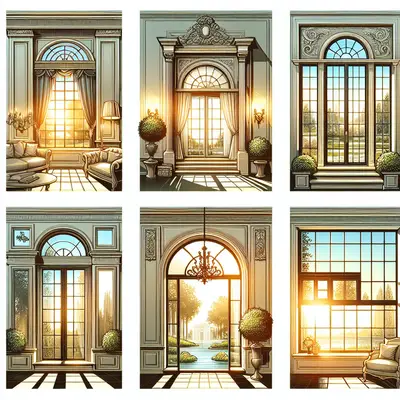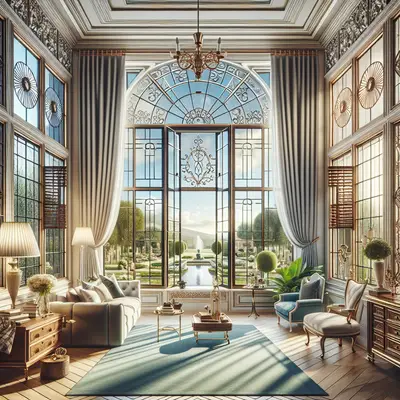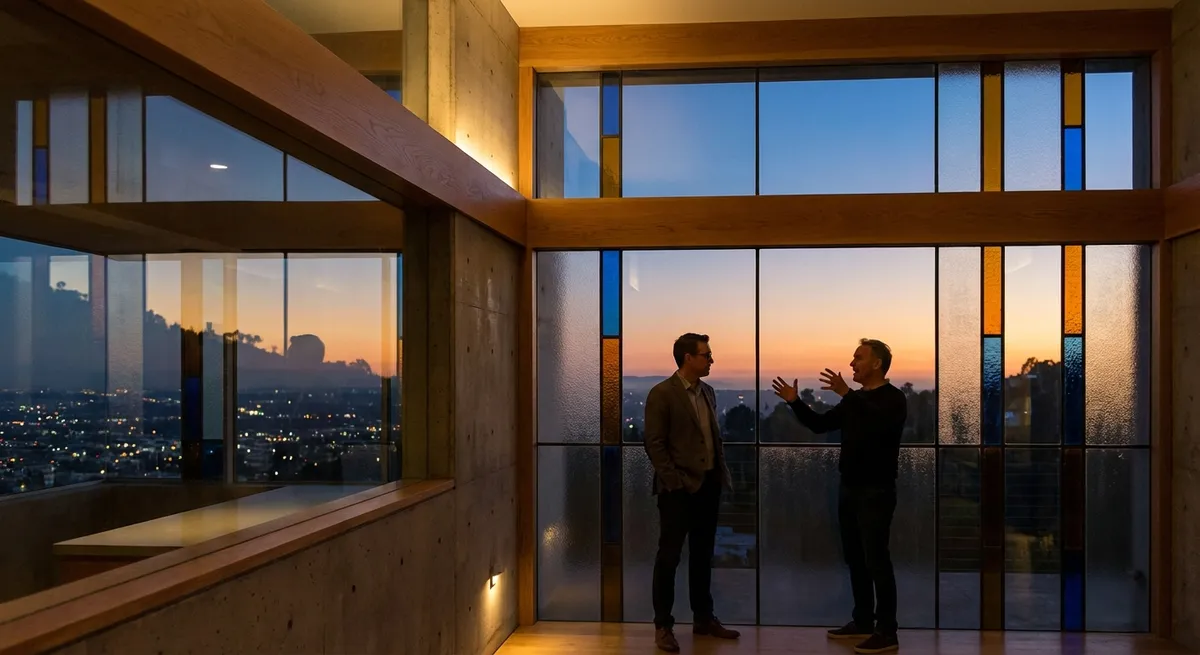
Windows are not merely openings; they are composed views, calibrated light, and engineered comfort. For a homeowner contemplating an upgrade, the choice of window type sets the visual grammar of the entire façade and the atmosphere of every room. Beyond aesthetics, each style carries implications for performance, maintenance, and long-term value that are easily overlooked in a showroom glance.
This guide explores the major window types through a refined lens—how they shape light, movement, and lived experience—while highlighting five exclusive, often-missed insights that discerning homeowners will want to consider before committing to a design direction.
Framing the View: Understanding Core Window Archetypes
Most residential window designs trace back to a handful of core archetypes, each with its own character and engineering logic.
Single-hung and double-hung windows are the quiet classics. With sash frames that slide vertically within the jambs, they suit traditional elevations, historic homes, and urban townhouses. Double-hung units allow both upper and lower sashes to open, offering flexible ventilation and easier cleaning—especially for multi-story façades.
Casement windows pivot on side hinges and open like doors. This design allows the sash to press tightly into the frame when closed, yielding excellent air sealing and a clean, modern expression. When opened, they “scoop” breezes directly into the room—highly desirable in temperate climates and coastal homes.
Awning windows hinge at the top and open outward from the bottom, forming a sheltered aperture. They pair beautifully with fixed picture windows, introducing discreet ventilation without disturbing a large, uninterrupted view. Their weather-shedding geometry makes them particularly useful in climates with frequent rain.
Sliding windows move horizontally on tracks, offering an understated, contemporary look. They are efficient in terms of space—no projection inward or outward—but require careful attention to track quality and drainage to preserve smooth operation over many years.
Fixed or picture windows are the purest expression of glass as architecture. Without operable hardware, they offer slimmer sightlines, generous daylight, and excellent energy performance. On their own, they do not ventilate; in a thoughtfully designed composition, they serve as the visual anchor, flanked or underlined by operable units that manage air flow.
The Vertical vs. Horizontal Story: How Window Types Shape Space
The type and orientation of a window quietly narrate how a room feels and functions.
Vertical formats—typical of double-hung and tall casements—emphasize height. They suit formal spaces, stairwells, and rooms where you want to elongate proportions. The human eye tends to follow the vertical lines, creating a sense of elegance and architectural gravitas.
Horizontal windows—sliders, ribbons of awnings, or wide casements—stretch the view laterally. They are ideal for rooms oriented toward expansive vistas, gardens, or pool terraces, and they pair beautifully with modern, low-profile furnishings. In minimalist interiors, a long linear opening can become the primary decorative gesture.
The relationship between sill height and head height is equally important. Lower sills create a more immersive connection with the landscape—especially in living rooms and primary suites—whereas higher sills afford greater privacy in baths, secondary bedrooms, and urban-facing spaces.
When selecting types, consider how furniture will live around each opening. A casement that opens onto a terrace where seating is planned may become awkward in daily use. Conversely, a high awning above a freestanding tub can introduce fresh air and sky views without sacrificing privacy or wall space.
Exclusive Insight #1: Design each window as a “view moment,” not just a light source.
Instead of defaulting to a single style across the entire home, decide what framed scene you want from each primary vantage point—seated on the sofa, standing at the kitchen sink, waking in bed—and then choose the window type that best choreographs that specific experience.
Operational Elegance: Matching Window Types to Lifestyle
How a window opens is more than a technical detail; it directly influences quiet routines—cleaning, airing out a room, interacting with terraces and gardens.
Casement and awning windows typically close more tightly than sliding or hung windows, which can translate into better air sealing and energy performance. Their hardware, however, is more tactilely present. A premium crank or discreet latch can become a design feature; a flimsy one can undermine an otherwise luxurious installation.
Double-hung windows remain popular where traditional aesthetics are nonnegotiable, but their real advantage is pragmatic: the ability to tilt sashes inward for cleaning, particularly on upper floors. In dense urban settings, this function can be invaluable, reducing reliance on exterior maintenance.
Sliding windows offer effortless operation when properly engineered, but lesser-quality tracks are prone to grit buildup and stiffness. In coastal or dusty environments, specifying higher-grade rollers and corrosion-resistant components is a subtle yet meaningful upgrade.
Exclusive Insight #2: Prioritize daily touch points over showroom impressions.
It is easy to fall in love with a dramatic casement wall or oversized slider in a catalog. Before deciding, imagine who will actually open these windows—and how often. A child’s room may benefit from tilt-and-turn or double-hung units with controlled openings for safety, while a seldom-used guest room might justify a more sculptural, less frequently operated casement.
Light, Privacy, and Acoustics: Invisible Performance by Window Type
Each window type mediates more than just air; it subtly curates light, privacy, and sound.
Fixed and picture windows, with fewer moving parts and seals, tend to offer superior acoustic performance when specified with the right glazing. In media rooms, home offices, and primary bedrooms near traffic or flight paths, these windows can form the backbone of a quiet interior, paired with select operable units for ventilation.
Awning windows excel at introducing gentle daylight from above countertops, backsplashes, or bath walls while retaining privacy. Their smaller apertures can be combined in rhythmic groupings—a refined alternative to a single larger window—allowing you to tune both brightness and seclusion.
Casement windows, when opened, may admit more exterior noise than a modestly cracked double-hung or awning due to their wider, unobstructed openings. In areas where sound control is critical, a blend of fixed units and minimally sized operables may be preferable.
Exclusive Insight #3: Use window type as a privacy tool before resorting to blinds.
By adjusting sill height, head height, and the balance between fixed and operable units, you can create spaces that feel bright and open while maintaining privacy—particularly in bathrooms, urban bedrooms, and side-yard conditions—reducing dependence on heavy window treatments that can clutter clean interior lines.
Energy, Ventilation, and the Quiet Efficiency of Good Choices
While glazing technologies get much of the attention, window type itself has a significant influence on performance.
Casement and awning windows generally seal more tightly than sliding or hung windows thanks to their compression seals. When closed, the sash is pulled firmly against the frame by the hardware, creating a reliable barrier against drafts—especially important in climates with substantial temperature swings.
Hung and sliding windows rely on sliding seals, which are more susceptible to minor air infiltration over time. Higher-quality systems with precision engineering and advanced weatherstripping can narrow this performance gap, but it rarely disappears entirely.
Ventilation patterns also differ. Casement windows, when oriented correctly, can harness prevailing breezes, drawing air deeper into spaces. Double-hung windows can create a natural convection loop when both sashes are opened slightly—cool air enters below as warm air escapes above—useful in shoulder seasons when mechanical cooling is unnecessary.
Exclusive Insight #4: Pair high-performance glass with the right opening style for your microclimate.
In hot, breezy coastal zones, casements and awnings with low-solar-gain glass can transform cross-ventilation into a genuine cooling strategy. In dense urban environments where windows remain closed much of the year, fixed and limited operable units with superior acoustic and thermal performance may be the most elegant solution, even if that means fewer openings overall.
Composition, Scale, and the Art of Mixing Window Types
Homes that feel quietly luxurious rarely rely on a single window type repeated mechanically. Instead, they blend several types in a deliberate composition tailored to each elevation and interior function.
A façade might pair tall, narrow casements in public-facing rooms with wide, low picture windows framing gardens at the rear. Secondary elevations—side yards, utility spaces, stairwells—can employ carefully placed awnings or slim sliders for targeted daylight without overexposure.
Inside, consider how different window types relate to each other across adjoining rooms. A continuous head height for all windows on a level—even if widths and types vary—creates a strong architectural datum line. This subtle alignment reads as intentional and elevated, in both modern and traditional contexts.
Exclusive Insight #5: Curate a “window language” that evolves from front to back.
Reserve your most formal, composed window expressions for the public face of the home, then allow the design to relax and open up toward private gardens, courtyards, or views. This might mean transitioning from divided-light casements at the front to expansive sliders or minimal picture windows in rear living spaces, signaling a shift from formality to retreat.
Conclusion
Selecting window types is an exercise in orchestrating experience—of light, view, movement, sound, and privacy—rather than simply filling wall openings. Casements, awnings, sliders, hung units, and fixed windows each bring distinct strengths; the most refined homes do not choose a single winner but assemble a cast, assigning each type where it performs best.
By treating each window as a crafted moment rather than a commodity, and by considering the often-overlooked nuances—how a handle feels in the hand, how a sash frames a favorite tree, how a fixed pane quiets the outside world—you move beyond basic replacement into true architectural enhancement. The result is a home where every pane of glass feels purposeful, and every view, however modest, is elegantly framed.
Sources
- [U.S. Department of Energy – Types of Windows](https://www.energy.gov/energysaver/types-windows) – Technical overview of common residential window types and their performance characteristics
- [Efficient Windows Collaborative – Window Types](https://www.efficientwindows.org/types-of-windows/) – In-depth comparisons of window operations, energy implications, and design considerations
- [National Fenestration Rating Council (NFRC)](https://www.nfrc.org/windows-doors-skylights/) – Explains how different window configurations impact energy ratings and overall efficiency
- [University of Minnesota – Window Design for Daylighting](https://extension.umn.edu/windows-and-daylighting/window-design) – Discusses how window size and placement influence light, views, and comfort in residential design
- [Building America Solutions Center – High-Performance Windows](https://basc.pnnl.gov/resource-guides/high-performance-windows) – Research-based guidance on configuring high-performance windows in climate-specific applications
Key Takeaway
The most important thing to remember from this article is that this information can change how you think about Window Types.