As pre-Christmas “house reset” content explodes across social media, one theme keeps resurfacing beneath the decluttering videos and holiday hosting checklists: people don’t just want tidy spaces—they want calm, quiet, energy-efficient homes that feel composed. Viral “get your house in order now” posts, like the trending Bored Panda feature on pre-Christmas home organization, are tapping into a deeper anxiety: soaring utility costs, drafty rooms, and that nagging sense that your home isn’t performing as beautifully as it looks.
While influencers are color-coding pantries and styling mantels, the most quietly transformative upgrade is happening at the perimeter: windows. They shape light, sound, thermal comfort, and ultimately your energy bills—often more than any décor decision you’ll make this year. If you’re preparing your home for holiday guests, or simply rethinking how your space works for you in 2025, this is the moment to align “house in order” with “home under control”—starting with your glass.
Below are five refined, highly specific insights for homeowners who are ready to move beyond basic “double-pane” talk and into the realm of truly elevated, energy-efficient window design.
1. The New Luxury Is Thermal Quiet: Why Comfort Is Beating Square Footage
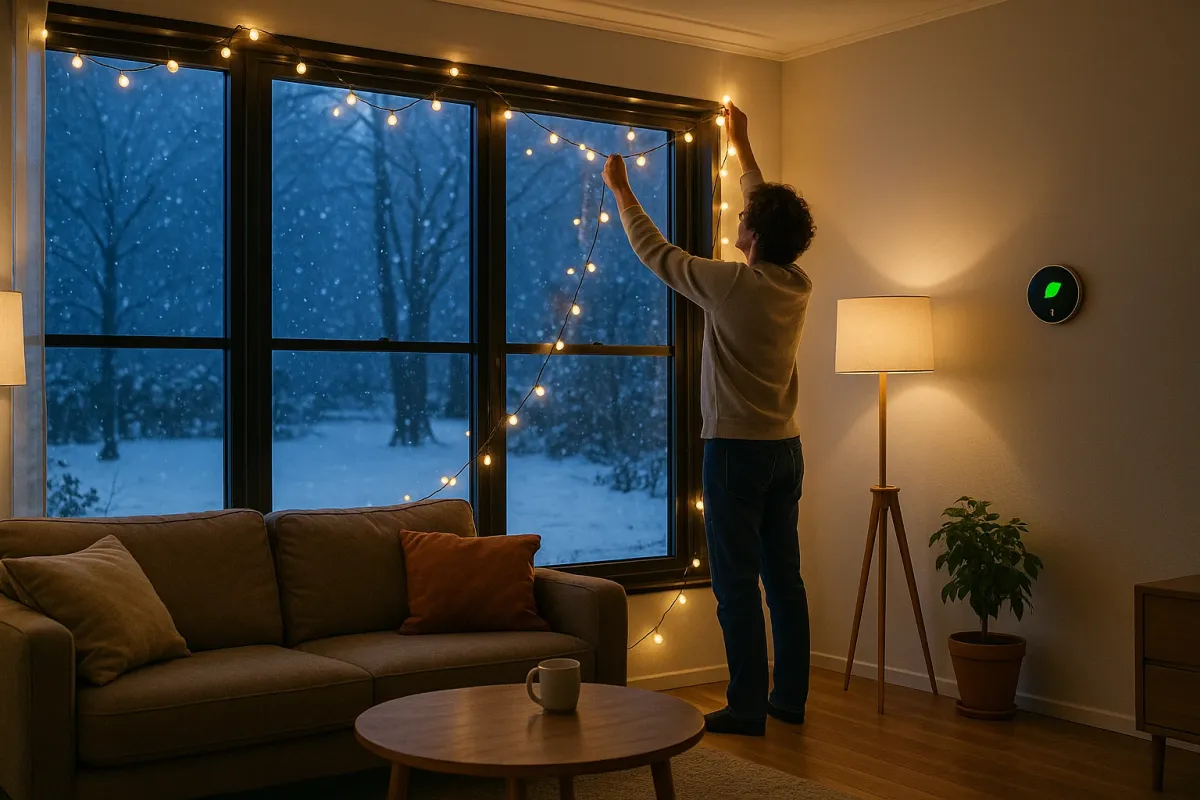
The same pre-holiday panic that’s driving people to purge closets is also surfacing a more modern idea of luxury: not a bigger house, but a better-behaving one. As energy prices remain unpredictable and extreme weather events become more routine, homeowners are discovering that a calm, steady indoor climate feels more indulgent than any new sofa.
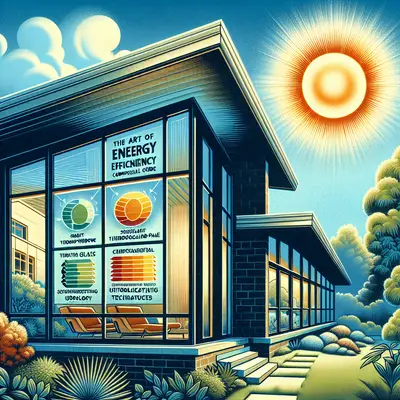
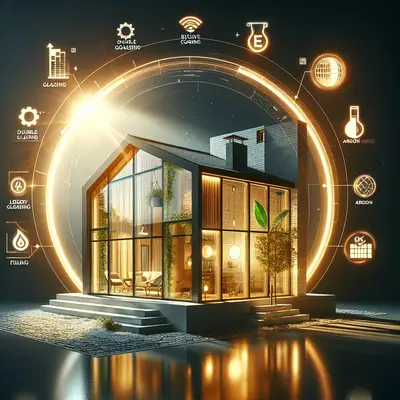
High-performance windows are the front line of that comfort. Triple-pane glass with warm-edge spacers, low-e coatings, and argon or krypton gas fills don’t just reduce heat loss—they even out room temperatures. That means fewer “cold chair by the window” zones, fewer arguments about where guests sit at dinner, and dramatically reduced drafts that undercut the warmth of your interiors. When paired with insulated frames (fiberglass, composite, or well-designed uPVC), these systems can turn a once-avoidant corner of the room into your favorite reading spot.
From an energy-efficiency standpoint, this translates into reduced heating demands, lower peak loads on your HVAC system, and a tangible sense that the home is quieter, softer, and under control—exactly the emotional payoff people are chasing as they scramble to “get the house in order” before guests arrive. Comfort is no longer an afterthought; it is the new metric of domestic luxury.
2. Glass Is Becoming Smart—and It’s Quietly Redesigning Daylight
As people obsess over how their spaces photograph for social media, the next quiet revolution is how they glow in real life. Timely window upgrades can now combine sculpted daylight with serious energy savings, thanks to advances in coatings and smart glass technologies that would have felt futuristic just a decade ago.
Low-e (low-emissivity) coatings are increasingly precise—some optimized for cold climates to lock in heat, others for sunbelt regions to sharply cut solar gain while preserving clarity. The newest premium glass packages can be tuned not just for your climate zone, but for each elevation of your home—south-facing glass might prioritize solar control, while north-facing windows maximize light with minimal heat loss. This level of specificity is what separates a generic “upgrade” from a genuinely curated fenestration strategy.
Beyond coatings, electrochromic and dynamic glazing are moving from flagship office towers into high-end residential projects. These smart windows can subtly tint in response to sunlight, controlling glare and heat gain while preserving views—eliminating the need for heavy drapery that blocks the very light you installed windows for. While still a premium option, the direction of travel is clear: as homeowners grow more sophisticated about daylight and energy use, smart glass will turn more living rooms into luminous, energy-conscious sanctuaries.
3. Frame Materials Now Tell a Performance Story, Not Just a Style One
During the holiday-home rush, most conversations focus on “how things look”: black frames vs. white, traditional mullions vs. minimal sightlines. But in the energy-efficiency space, frame material is where many of the biggest gains quietly occur. The best-performing modern windows treat frames as thermal components, not just color swatches.
Aluminum, once prized for its sleek profile, can be thermally problematic without advanced thermal breaks. Many premium systems now integrate sophisticated insulating profiles within the aluminum, making them viable for cold climates while preserving that crisp architectural line. Fiberglass frames, meanwhile, are gaining favor among design-conscious homeowners because they can be slim, dimensionally stable, and inherently insulating—expanding glass area while still curbing energy loss.
Composite and high-end uPVC frames have also evolved. Multi-chambered designs, foam-filled cores, and reinforced sashes now allow these windows to achieve impressively low U-values while meeting demanding aesthetic briefs. The emerging standard in premium homes is a frame system that behaves like a miniature insulated wall: multi-layered, thermally broken, and engineered for long-term stability. If your window conversation starts and ends with “What color should we pick?”, you’re leaving efficiency and comfort on the table.
4. Strategic Replacements Beat Full Overhauls—If You Know Where to Start
As people race to declutter “before Christmas undoes it all,” there’s an understandable temptation to think about window upgrades in the same all-or-nothing terms: replace everything or do nothing. But from an energy and comfort perspective, the more elegant path is often strategic replacement, beginning with your most thermally and behaviorally important zones.
Bedrooms and primary living spaces typically benefit the most from high-performance glazing, especially if they’re exposed to harsh winter winds or intense afternoon sun. Upgrading these first can deliver disproportionate comfort gains and visible reductions in heating and cooling loads. Large, poorly performing picture windows, aging sliders, and drafty bay windows are particularly high-impact candidates.
Layering in air-sealing and proper installation details—backer rod, high-quality sealants, insulated shims, and correctly integrated flashing—amplifies the window upgrade. Many homeowners underestimate how much performance is lost at the interface between wall and frame. A beautifully engineered window, carelessly installed, can behave like an expensive draft. In the current climate-conscious moment, the most sophisticated projects treat installation as a precision craft, not a line item to compress. This is where choosing a contractor who can discuss U-values and flashing details with equal fluency becomes invaluable.
5. Energy-Efficient Windows Are Becoming a Financial Strategy, Not Just a Design Choice
Behind the seasonal chatter about organizing and resetting, there’s a more hard-edged reality: energy costs, home insurance premiums, and interest rates are forcing homeowners to think more strategically about where each dollar goes. High-performance windows are increasingly framed not as a “nice-to-have upgrade,” but as a long-term financial instrument—one that influences operating costs, resilience, and even resale positioning.
Energy-efficient windows reduce heating and cooling demand, which not only lowers monthly bills but can extend the life of your mechanical systems by reducing stress and run-time. In markets where buyers are more climate- and cost-conscious, listings that highlight documented energy upgrades—especially windows with verifiable performance data—stand out. In some regions, appraisers and buyers are beginning to assign a premium to homes that can demonstrate lower operating costs and superior comfort as part of a holistic efficiency package.
Layer in potential rebates, tax credits, or utility incentives for qualified ENERGY STAR or high-performance windows, and the payback equation becomes even more compelling. The savviest homeowners are now timing window upgrades alongside other envelope improvements—insulation, air-sealing, smart thermostats—to create a bundled transformation that meaningfully shifts their home’s energy profile. Amid today’s economic uncertainty, that kind of predictable, engineered efficiency is a quiet luxury in itself.
Conclusion
The viral push to “get your house in order before the holidays” is more than a seasonal trend; it reflects a growing desire for homes that feel composed, controllable, and quietly resilient. While social feeds churn with storage hacks and styling ideas, the most lasting expression of a truly ordered home is one that holds its temperature, filters its light, softens outside noise, and does so with effortless elegance.
High-performance windows sit at the intersection of aesthetics and energy intelligence. They refine the way your home looks and feels, while reshaping how it performs in an uncertain energy landscape. As you plan your next round of upgrades, consider moving windows from the background of your renovation list to the foreground of your strategy. In a world obsessed with appearances, they may be the most sophisticated, substance-driven change you can make.
Key Takeaway
The most important thing to remember from this article is that this information can change how you think about Energy Efficiency.