The most exquisite window is only as impressive as its installation. In refined homes, the true luxury is not merely in glass and frame, but in how seamlessly those elements integrate into the architecture, the climate, and the way you live. Thoughtful installation transforms a window from a product into an enduring architectural gesture—silent, precise, and profoundly functional. For homeowners considering an upgrade, understanding the nuances behind exceptional installation is the ultimate safeguard for both beauty and performance.
Installation as Architectural Tailoring
A premium window installation is less a construction task and more a form of tailoring—precision work that respects both the structure and the design intent. Rather than forcing standard openings to accommodate standard units, distinguished projects begin by studying the wall assembly, the building’s age, and its particular vulnerabilities. Is the home masonry, timber frame, or a hybrid construction? Are there historic details that must be preserved or echoed?
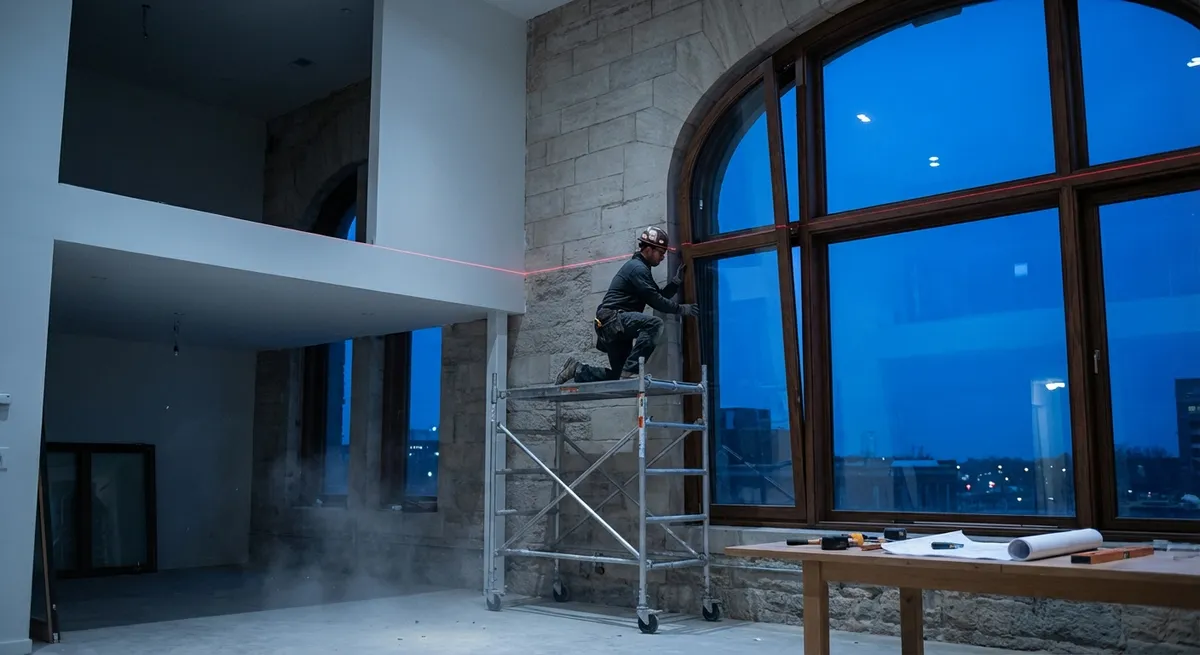
From there, a bespoke installation strategy is formed: careful removal plans to protect existing finishes; custom sill modifications to encourage controlled water drainage; and refined flashing details that disappear visually yet perform tirelessly. This tailored approach ensures the window feels “born” into the house rather than retrofitted, with clean lines, minimal disruption, and a finish that looks as though it has always belonged.
The Invisible Envelope: Air, Water, and Thermal Continuity
In high-end projects, the most critical aspects of installation are often invisible when the work is complete. The junction between window and wall is where efficiency is either preserved or quietly eroded for decades. This narrow perimeter must control air leakage, manage water, and maintain thermal continuity with the surrounding insulation—simultaneously and flawlessly.
Premium installations deploy a layered defense: flexible flashing that channels water outward, high‑performance sealants appropriate to the materials, and thoughtfully selected insulation around the frame that avoids gaps and compression. The aim is a continuous envelope—no weak points, no shortcuts. When executed well, this invisible precision translates into a home that feels consistently comfortable, with fewer drafts, quieter interiors, and more stable temperatures, all while protecting the structure from slow, silent moisture damage.
Five Exclusive Insights for Discerning Homeowners
Beneath the polished surface of a successful window upgrade lies a series of decisions that only become obvious years later—when issues either never appear or become impossible to ignore. These five insights offer a lens into what truly distinguishes exceptional window installation from the merely adequate.
Installation Method Must Match Frame Material
Not all windows are installed equally, and not all frame materials tolerate the same techniques. Aluminum-clad wood, fiberglass, and high-end vinyl each demand specific fastening patterns, expansion allowances, and sealants. A method that works acceptably for basic vinyl inserts can prematurely stress a finely milled wood-clad unit or compromise a thermally broken aluminum frame.
A refined installation treats the manufacturer’s specifications as a baseline, then refines them for local conditions—wind exposure, seismic activity, and even the building’s expected movement over seasons. This alignment between material and method preserves both performance warranties and aesthetic integrity.
Glazing Weight Dictates Structural Strategy
Contemporary luxury often means expansive glass: oversized picture windows, multi-panel sliders, and slender-framed systems that blur boundaries between inside and out. These elegant spans carry substantial weight, and how that weight is transferred into the structure governs long-term alignment, smooth operation, and the prevention of subtle frame distortion.
Discerning installations may involve reinforced headers, upgraded support under sills, and carefully calculated shimming to prevent sagging or binding over time. When glazing weight is addressed thoughtfully, large units operate quietly and gracefully for decades—without the telltale drag, scraping, or misalignment that often plagues lesser installations.
Orientation and Microclimate Shape the Installation Details
Two identical windows on different elevations of the same home do not experience the world in the same way. A south- or west-facing opening in a harsh climate demands additional consideration: more robust water-management at the sill, different sealant choices for UV exposure, and sometimes even modified flashing strategies due to driving rain or snow patterns.
Elevated homes in coastal, desert, or cold alpine regions each present distinct microclimatic pressures. Superior installers adjust their detailing by elevation and orientation—treating a windward, weather-battered façade differently from a sheltered inner courtyard, even when the units themselves are identical.
Interior Finishes Should Be Planned Before Installation Begins
Luxurious interiors rely on continuity: millwork profiles that meet the window frame without awkward transitions, reveals that are crisp and balanced, and integrated shades or treatments that don’t feel like afterthoughts. This level of refinement is not achieved by improvising after the windows are in place.
The most successful projects work backwards from the desired interior finish—whether that means flush plaster returns, inset stone surrounds, or custom-stained casings. The window’s placement within the wall depth, the type of extension jambs, and even the choice of fastening points are coordinated with the finish carpentry design. The result is a window that feels architecturally integrated, not merely installed into a hole.
Acoustic Performance Lives at the Perimeter, Not Just in the Glass
Many homeowners invest in sound-reducing glazing only to be disappointed when city noise still finds its way indoors. The secret is that acoustic performance is only partially determined by the glass unit itself; the perimeter installation is equally critical.
Gaps, poorly sealed joints, or mismatched materials can act as miniature sound leaks. High-performance acoustic sealants, correctly compressed insulation, and careful attention to every penetration (sensor wires, shades, security contacts) can elevate the actual, lived sound performance to match what is promised on paper. For homes in urban or high-traffic environments, this perimeter detailing often distinguishes a genuinely serene interior from one that still feels subtly compromised.
Coordinating Craft: Builder, Manufacturer, and Designer
An exceptional installation is the product of collaboration, not improvisation. The window manufacturer brings tested systems and best-practice guidance; the architect or designer frames the aesthetic and performance goals; and the installer translates those ambitions into precise field execution. In high-caliber projects, installation meetings occur early, not at the last minute when the openings are already framed.
Shop drawings, mock-ups, or at least a pilot installation on a secondary elevation can clarify details such as sill pitch, flashing integration with exterior cladding, and interior trim transitions. This forward planning avoids on-site compromises and ensures that the final result aligns with the home’s design language and performance expectations. The outcome is a window upgrade that feels curated rather than cobbled together.
The Long View: Maintenance, Adjustability, and Access
True luxury anticipates the decades to come. A beautifully installed window should also be maintainable without invasive work. Thoughtful installers consider how hardware will be accessed for adjustment, how exterior joints can be re-sealed in the future, and how finishes will age under sun and weather.
Where possible, they design for graceful aging: sealant joints that are serviceable rather than buried; weep systems that can be inspected and cleared; and hardware chosen not only for its immediate appeal but also for long-term availability and durability. A window that is both exquisite today and straightforward to care for tomorrow embodies a more complete form of refinement.
Conclusion
In elevated homes, window installation is not simply a technical step between purchase and enjoyment—it is the quiet discipline that enables every promise the window makes: clarity, comfort, efficiency, and grace. When treated as architectural tailoring rather than routine construction, installation becomes the guardian of your investment, protecting both the design vision and the building envelope.
For homeowners considering upgrades, the most powerful decision is not just which window to buy, but which standard of installation to insist upon. Ask about methods, materials, mock-ups, and long-term service strategies. In that conversation, you are not merely buying new windows; you are commissioning a more refined way for your home to meet light, weather, and time.
Sources
- [U.S. Department of Energy – Energy-Efficient Window Attachments](https://www.energy.gov/energysaver/update-or-replace-windows) - Overview of upgrading windows and the role of proper installation in efficiency
- [Efficient Windows Collaborative – Window Selection and Installation](https://www.efficientwindows.org/installation/) - Technical guidance on window installation practices and performance considerations
- [Building Science Corporation – Window Installation Details](https://buildingscience.com/documents/digests/bsd-012-window-installation-details) - In-depth discussion of water, air, and thermal management at window openings
- [American Architectural Manufacturers Association (FGIA) – InstallationMaster Resources](https://fgiaonline.org/pages/installation) - Industry standards and best practices for professional window and door installation
- [National Institute of Building Sciences – Whole Building Design Guide: Fenestration](https://www.wbdg.org/guides-specifications/building-envelope-design-guide/fenestration-systems) - Comprehensive guidance on integrating windows into high-performance building envelopes
Key Takeaway
The most important thing to remember from this article is that this information can change how you think about Installation.