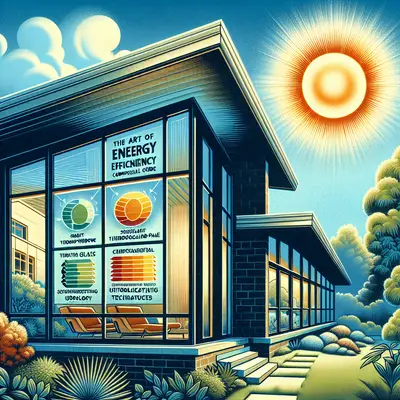
Upgrading your windows is no longer just a matter of clearer glass and quieter rooms; it is an opportunity to orchestrate how light, heat, and comfort move through your home every hour of the day. For the discerning homeowner, energy efficiency is not a compromise with aesthetics—it is a hidden layer of refinement that elevates the entire living experience. When approached thoughtfully, premium window solutions can make your spaces feel calmer, more temperate, and unmistakably sophisticated, all while quietly reducing your energy footprint.
Below are five exclusive, often-overlooked insights that reveal how truly exceptional windows perform behind the scenes.
1. The Invisible Architecture of Glass: Beyond Double‑Pane Basics
Most homeowners know that double- or triple-pane glass is “better,” but few understand that the real sophistication lies in what cannot be seen.
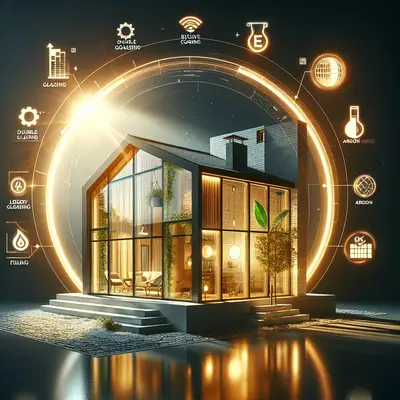
High‑performance windows rely on an interplay of low‑emissivity (low‑E) coatings, gas fills, and spacer technology to choreograph heat and light. Advanced low‑E coatings selectively reflect infrared radiation while allowing abundant visible light—this means winter warmth can stay inside, and harsh summer heat is politely deflected. Argon or krypton gas fills add an elegant layer of thermal resistance without affecting clarity, reducing convective heat transfer between panes.
Equally refined are warm‑edge spacers that separate panes at the perimeter, mitigating thermal bridging and reducing the risk of condensation lines that can mar an otherwise pristine view. For an elevated result, look for independent performance metrics such as low U‑factor, optimized Solar Heat Gain Coefficient (SHGC), and high Visible Transmittance (VT). When specified correctly, these elements create glass that is not simply “efficient,” but highly tuned to your home’s orientation, climate, and design intent.
2. Climate‑Intelligent Glazing: Tailoring Efficiency to Your Latitude
True luxury in energy performance is not one-size-fits-all; it is tailored. A sophisticated window upgrade considers your climate as carefully as a bespoke suit considers your measurements.
In cold or mixed climates, the priority is often minimizing heat loss while inviting passive solar gain. Here, windows with very low U‑factors and moderate SHGC can function like silent radiators of winter sunlight—especially on south-facing façades. In warmer regions, the focus shifts toward controlling solar heat: glass with a lower SHGC and spectrally selective coatings can admit soft, natural light while dramatically curbing heat gain, reducing the burden on cooling systems.
For homes in coastal or high‑sun environments, pairing advanced glazing with exterior shading strategies—deep overhangs, architectural fins, or refined shading devices—creates a layered defense that feels intentional rather than utilitarian. The outcome is comfort that feels effortless: rooms that remain temperate and luminous, without constant adjustments to blinds or thermostats.
3. The Quiet Role of Frames: Materials That Shape Thermal Performance
While glass often receives the spotlight, frame material is the quiet collaborator that can elevate—or compromise—overall efficiency. A premium energy strategy looks at the full window assembly, not just the glazing.
Aluminum frames, for example, are structurally elegant but highly conductive. Only thermally broken aluminum—featuring insulating barriers between interior and exterior metal—belongs in a high‑efficiency plan. By contrast, fiberglass frames offer outstanding dimensional stability and low thermal conductivity, maintaining their shape and performance across temperature swings. High‑end vinyl frames can provide strong insulation at a more approachable price point, though their long-term aesthetics and structural rigidity may vary by manufacturer and quality tier.
For those who prioritize natural warmth and tactility, wood or wood‑clad frames offer a refined interior presence combined with robust insulating properties. When paired with exterior cladding—often aluminum or fiberglass—they marry craftsmanship with durability. The key insight: the most exquisite solution is rarely about “the best material” in the abstract, but about choosing a frame system whose thermal profile, maintenance needs, and visual character align with the homeowner’s standards and the home’s architectural language.
4. Precision Sealing: Where Craftsmanship Meets Energy Performance
Even the most advanced window becomes ordinary if compromised by poor installation and weak air sealing. For homeowners invested in exceptional outcomes, the energy story is as much about the joinery between window and wall as the product itself.
Air leakage—those subtle drafts that are more felt than seen—can erode performance, comfort, and acoustics. Premium installation emphasizes integrated flashing systems, high‑quality sealants, and insulation around the window perimeter. When executed with precision, this detailing prevents uncontrolled air movement and moisture intrusions that can silently degrade both efficiency and building materials.
In high‑performance projects, the window installation is deliberately tied into the home’s continuous air barrier, ensuring the entire envelope works as a unified system. The payoff is profound yet understated: rooms that feel still and composed, thermostats that hold their setpoint with ease, and surfaces that remain free from condensation and cold spots. Energy efficiency, in this light, becomes an expression of craftsmanship and discipline rather than mere specification.
5. Daylighting as a Design Strategy: Reducing Energy by Enhancing Ambience
The most graceful form of energy efficiency is the kind that feels like pure indulgence: more daylight, less reliance on artificial lighting, and interiors that feel alive from dawn to dusk.
Thoughtfully placed, high‑performance windows allow generous daylight penetration deep into living spaces without the usual trade‑offs in glare or overheating. Glass with high visible transmittance can bathe interiors in natural light, while low‑E coatings temper harsh solar angles. The result is a home where lights remain off longer, colors read truer, and textures come alive under natural illumination.
In refined designs, daylighting is orchestrated room by room—expansive glazing where views and social life converge; more measured openings in bedrooms or media spaces; clerestories or transoms to introduce light without compromising privacy. Paired with automated shades or smart glass options, homeowners can fine‑tune brightness and privacy at the touch of a button. The energy savings are tangible, but the real luxury is experiential: spaces that adapt seamlessly to the rhythm of the day, always poised at the intersection of comfort, beauty, and restraint.
Conclusion
Energy‑efficient windows are no longer a technical afterthought; they are a cornerstone of elevated residential design. By looking beyond simplistic “double‑pane” labels and embracing the nuances of glass technology, climate‑specific glazing, frame selection, precision sealing, and daylighting strategy, homeowners can curate window solutions that feel as considered as fine furnishings.
The most compelling energy upgrades are the ones that disappear into the background of daily life—windows that hold warmth without drawing attention, rooms that stay cool and luminous without constant intervention, and an overall atmosphere of quiet, composed comfort. In that sense, exceptional windows are not just a building component; they are an enduring investment in how gracefully your home performs, season after season.
Sources
- [U.S. Department of Energy – Energy‑Efficient Windows](https://www.energy.gov/energysaver/energy-efficient-windows) - Overview of window technologies, performance metrics, and climate considerations
- [Efficient Windows Collaborative – Window Selection Guidance](https://www.efficientwindows.org/selection.php) - In-depth guidance on choosing glazing, frames, and configurations by climate
- [National Fenestration Rating Council (NFRC)](https://www.nfrc.org) - Explains standardized window performance ratings like U‑factor and SHGC
- [Lawrence Berkeley National Laboratory – Windows & Daylighting](https://windows.lbl.gov) - Research on advanced glazing, daylighting strategies, and building envelope performance
- [ENERGY STAR – Residential Windows, Doors and Skylights](https://www.energystar.gov/products/building_products/residential_windows_doors_and_skylights) - Program criteria and consumer guidance on certified high‑performance window products
Key Takeaway
The most important thing to remember from this article is that this information can change how you think about Energy Efficiency.