Energy efficiency is often reduced to utility bills and insulation ratings—but for the discerning homeowner, it is far more nuanced. The right window upgrades do not merely seal a building; they choreograph light, regulate comfort, and subtly reshape how a home performs across seasons. When approached thoughtfully, energy-focused window choices become an architectural refinement, not a concession to practicality.
Below are five exclusive, often-overlooked insights that elevate energy efficiency from a technical checkbox to a curated design decision.
1. The Subtle Power of Solar Geometry
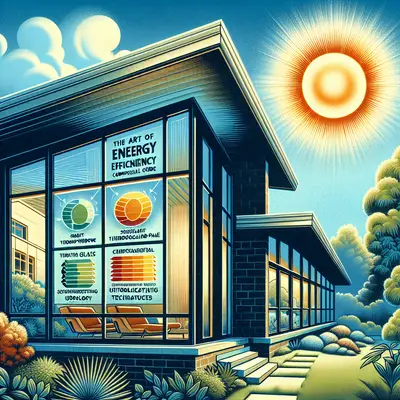
Most homeowners focus on glass performance but overlook the choreography of sun, orientation, and façade design. South- and west-facing elevations typically receive the most intense solar gain, which can be either an asset or a liability depending on your climate and design intent.
Thoughtfully pairing high-performance glazing with orientation allows you to “tune” the energy behavior of each façade. In cooler climates, slightly higher solar heat gain coefficients (SHGC) on south-facing windows can invite winter warmth while low-emissivity (low-E) coatings manage heat loss at night. In hotter regions, specifying lower SHGC glass on west and south elevations, while maintaining more moderate values on north-facing windows, preserves daylight without overwhelming the space with heat.
Advanced window packages now allow mixed specifications within the same elevation: strategic differences in coatings, tints, and gas fills can be used to sculpt how each room receives and retains energy. The result is a home that feels consistently comfortable with minimal reliance on mechanical systems—an outcome that feels less like engineering and more like tailored environmental design.
2. Invisible Performance: Coatings, Gas Fills, and the Air You Don’t Feel
To the untrained eye, a premium energy-efficient window can look deceptively simple. The real sophistication lies in the invisible layers and materials that govern how heat and light move through the glass.
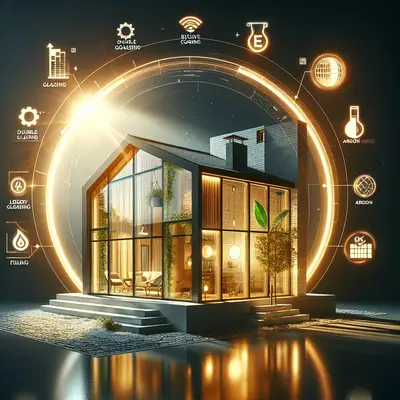
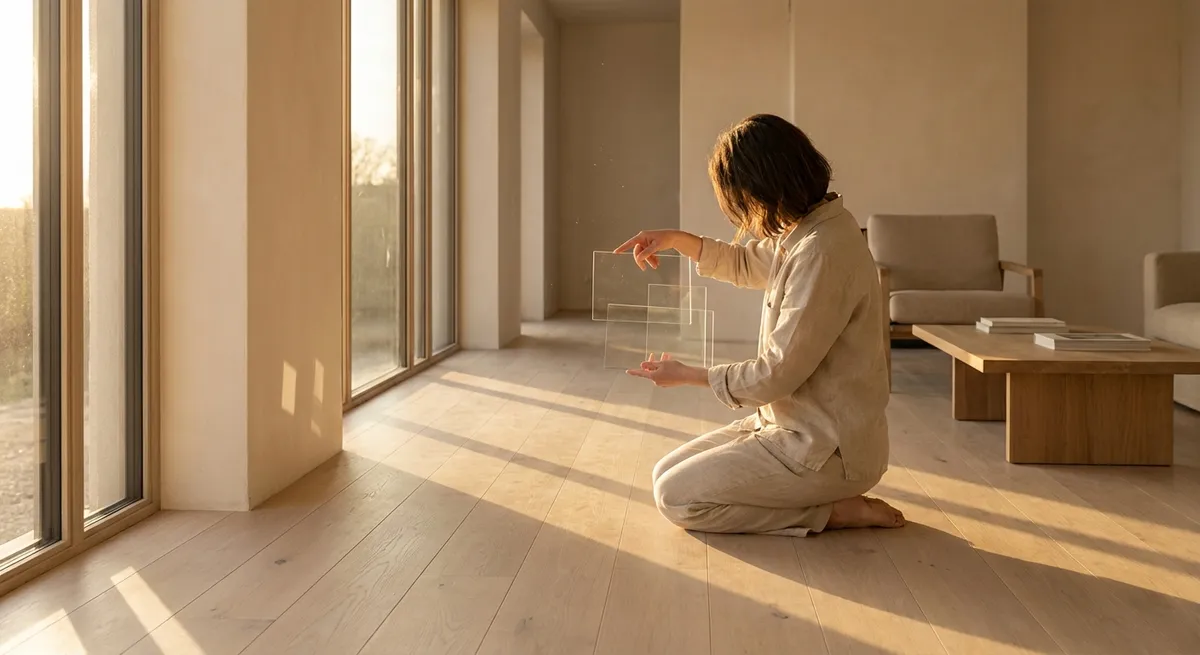
Modern low-E coatings are ultra-thin metallic layers, carefully engineered to reflect infrared heat while allowing visible light to pass. Not all low-E coatings are equal: different formulations prioritize solar control, interior heat retention, or balanced performance. A thoughtful specification considers climate, façade orientation, and interior finishes—especially where UV-sensitive fabrics, art, or hardwoods are present.
Between panes, argon and krypton gas fills further suppress heat transfer. Argon is the refined standard—high-performing and cost-effective. Krypton, often reserved for ultra-high-performance or thinner units, delivers superior insulation in more compact cavities. When coupled with warm-edge spacers that reduce thermal bridging at the glass perimeter, these elements contribute to an interior environment where temperature gradients are gentled, drafts are minimized, and comfort feels remarkably even—without dramatic aesthetic compromises.
3. Frame Architecture: Where Energy and Aesthetics Quietly Converge
Glass performance often dominates the conversation, but frame material and design can define the true ceiling of energy efficiency. In premium projects, frame selection should be viewed as architectural detailing, not merely hardware.
Wood-clad frames offer a warm, tactile interior presence while preserving the option for durable, low-maintenance exteriors in aluminum or composite. High-density fiberglass frames, with expansion rates similar to glass, excel at maintaining long-term seals and resisting warping—quietly enhancing the lifespan of the window’s thermal performance. Well-engineered composites blend the stability of synthetic materials with improved insulation over traditional aluminum.
Thermal breaks—insulating barriers embedded within metal or composite frames—prevent external temperatures from being conducted straight into the interior. When combined with multi-chambered profiles and meticulous weatherstripping, they transform the frame from a potential weak point into a performance asset. Done well, this is not visually loud; it is the kind of refinement that is felt in comfort and longevity rather than seen.
4. Dynamic Shading and Daylight Management as Energy Strategy
Energy-efficient windows are not static objects; they are part of a broader system that includes shading, light control, and interior finishes. For high-end homes, the most elevated solutions treat daylight as a curated experience, not just a byproduct of window size.
Exterior shading—deep overhangs, brise-soleil, and adjustable louvers—can significantly reduce cooling loads by intercepting solar heat before it reaches the glass. Interior treatments, such as cellular shades or high-performance draperies, add an elegant second line of defense, particularly when combined with motorization and smart-home integration. Automated controls that respond to time of day, solar angle, and occupancy can enhance both comfort and efficiency in a way that feels seamless and refined.
Thoughtful glazing choices can also modulate glare and brightness, reducing the need for artificial lighting without sacrificing clarity. Higher visible transmittance (VT) values in select areas—such as north-facing rooms—preserve luminous interiors, while more selective coatings on harsh exposures temper excess brightness. The effect is a home that glows rather than glares, with lighting and HVAC systems working in quiet support instead of constant correction.
5. Performance Proven Over Time: Certification, Installation, and Verification
Even the most meticulously specified window will underperform if installation and verification are treated as afterthoughts. For homeowners investing in premium solutions, the difference between theoretical and realized performance is critical.
Independent rating and certification systems—such as ENERGY STAR and the National Fenestration Rating Council (NFRC) labels in the United States—provide a verified snapshot of U-factor (insulation), SHGC (solar control), and visible transmittance. These ratings allow you to compare products on more than promise or aesthetics alone, ensuring that elegance is matched by measurable efficiency.
Equally important is the caliber of installation. Proper integration with the building envelope—flashing, air sealing, insulation continuity, and attention to thermal bridges—determines whether your investment performs at its rated potential. A high-performance window casually installed can leak air, invite condensation, and erode comfort; a precisely integrated unit feels almost weightless in daily life, quietly maintaining stable conditions with minimal mechanical input.
Finally, post-installation verification—through blower door tests, infrared imaging, or room-by-room comfort assessments—ensures that the actual performance aligns with your expectations. This feedback loop transforms window upgrades from a one-time purchase into a considered, data-backed refinement of how your home lives and feels.
Conclusion
Energy efficiency, when approached with discernment, moves beyond numbers on a label. It becomes a quiet form of luxury: stable temperatures without drafts, luminous rooms without glare, expanses of glass that frame the outdoors while preserving interior calm. By attending to orientation, invisible technologies, frame architecture, dynamic shading, and verified performance, homeowners can transform window upgrades into a long-term, high-comfort investment.
In the most sophisticated homes, energy-efficient windows are not a compromise for sustainability—they are a signature of thoughtful design, where aesthetics and performance are held to the same elevated standard.
Sources
- U.S. Department of Energy – Energy-Efficient Windows - Overview of window technologies, ratings, and strategies for improving energy performance
- National Fenestration Rating Council (NFRC) - Explains window performance labels, U-factor, SHGC, and visible transmittance
- ENERGY STAR – Residential Windows, Doors and Skylights - Details on ENERGY STAR criteria and climate-based recommendations for window products
- Lawrence Berkeley National Laboratory – Windows and Daylighting - Research-based insights on glazing, coatings, and daylighting performance
- Efficient Window Collaborative (EfficientWindows.org) - Guidance on selecting windows by climate, orientation, and performance metrics
Key Takeaway
The most important thing to remember from this article is that this information can change how you think about Energy Efficiency.