Energy efficiency is no longer a purely technical ambition; it is a design language, a comfort strategy, and a long-term financial posture. For discerning homeowners, windows are not merely apertures to the outside world—they are precision instruments that regulate light, temperature, acoustics, and even the emotional tenor of a room. When chosen with care, high‑performance windows orchestrate a quieter, more temperate, and more visually refined interior while quietly compounding savings year after year.
This is where the window upgrade stops being a basic renovation and becomes an act of intentional curation. Beyond U‑factors and labels, there are subtler decisions—glass chemistry, frame architecture, and even orientation strategy—that distinguish ordinary installations from truly elevated solutions. The following insights are crafted for homeowners who expect more: more comfort, more coherence, and more enduring value from every pane.
Beyond the Label: Reading the Energy Signature of a Window
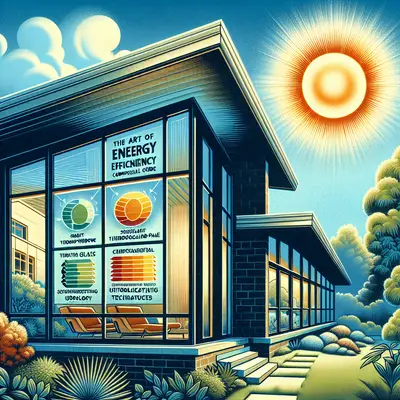
Energy ratings are often reduced to a quick glance at a sticker, but a window’s energy signature is far more nuanced—and understanding it unlocks a higher caliber of performance.
High-end windows are typically evaluated by U‑factor (how well the window insulates), Solar Heat Gain Coefficient (SHGC), visible transmittance (VT), and air leakage. Yet these values mean little without context. A low U‑factor alone is insufficient if the SHGC is mismatched to your climate or orientation. A window can be thermally impressive yet still introduce unwanted glare or leave interiors feeling visually “flat” if VT is too low.
The sophisticated approach is to read these metrics as a composition, not as isolated numbers. For example, in colder climates with sunny winters, a slightly higher SHGC on south-facing glass can deliver welcome passive solar warmth, while east and west façades may benefit from lower SHGC to tame low-angle morning and afternoon sun. In warmer climates, prioritizing very low SHGC with robust shading strategies helps keep interiors naturally cooler and reduces dependence on air conditioning.
A carefully curated suite of performance metrics—matched to room function, façade, and climate—creates an invisible but palpable refinement: stable temperatures, reduced drafts, and rooms that feel visually bright yet comfortably composed throughout the day.
Intelligent Solar Management: Curating Light, Not Just Blocking Heat
The most elegant energy-efficient windows do not simply “fight the sun”; they negotiate with it. The chemistry of modern glazing makes it possible to admit generous daylight while filtering heat and ultraviolet radiation with extraordinary discretion.
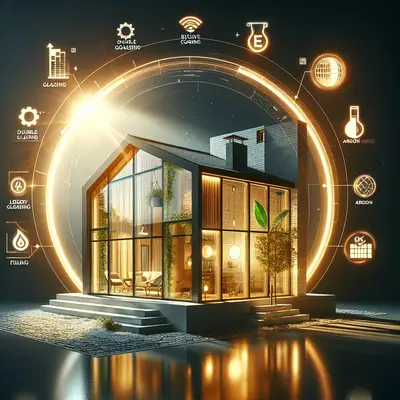
Low-emissivity (low‑E) coatings are microscopically thin layers of metal or metal oxide applied to glass. Rather than thinking of them as a single upgrade, consider them a palette. Different low‑E formulations can be tuned to favor winter warmth, summer coolness, or balanced, all‑season performance. For a living room with expansive views, a spectrally selective low‑E coating can permit high visible light while sharply limiting infrared heat gain, preserving both comfort and clarity.
Solar management becomes even more powerful when paired with architecture. Deep overhangs, vertical fins, and high‑quality exterior shades can be coordinated with glass selection to create a layered defense against overheating, without resorting to heavy tints or visually oppressive blinds. In some cases, a slightly higher SHGC on well-shaded south-facing glass can support passive solar strategy, while north-facing windows may prioritize clarity and daylight without concern for heat gain.
The result is not just lower cooling loads but a more subtle win: rooms that remain luminous and inviting at midday, where art, fabrics, and finishes are protected from UV fading, and where blinds remain open more often—enhancing both well-being and perceived space.
Frame Architecture: The Often-Ignored Engine of Thermal Elegance
Glass tends to command attention, but the frame is the quiet engineer of performance. For energy‑sophisticated homes, the material and construction of the frame can either elevate or erode the benefits of advanced glazing.
Aluminum, though structurally impressive, performs poorly as an insulator unless it incorporates a high-quality thermal break. Luxury aluminum systems with multi-chamber thermal breaks and insulated profiles can balance slim sightlines with substantial thermal improvement, but they demand careful specification. Vinyl offers cost-effective insulation but can lack the tactile refinement or long-term dimensional stability expected in premium residences unless executed at the highest tier of manufacturing.
Fiberglass and composite frames occupy a particularly compelling niche: they are dimensionally stable, inherently insulating, and capable of accommodating sophisticated glazing packages. They expand and contract at rates similar to glass, helping maintain the integrity of seals over time—a critical factor in preserving performance decades into the future.
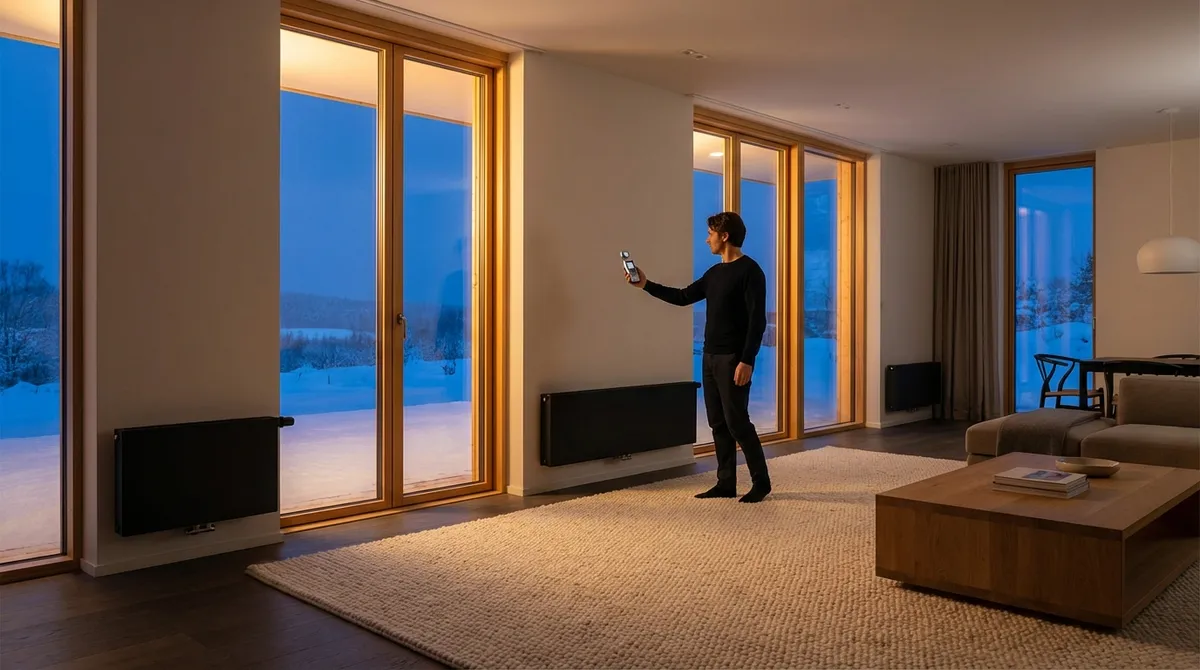
For architecturally sensitive homes, clad wood solutions offer a layered approach: warm, crafted wood on the interior, with aluminum or composite cladding externally for durability and minimal maintenance. The energy story here is subtle: a better frame mitigates thermal bridging at the edge of the glass, reduces condensation risk, and enhances comfort at the perimeter of a room. In practice, this translates into seating areas that can comfortably hug a window wall, even on the coldest days.
Precision Airtightness: The Silent Partner in Thermal Comfort
It is entirely possible to invest in exquisite glass and refined frames but still lose performance at the margins—quite literally—if airtightness is compromised. From an energy perspective, uncontrolled air leakage is often more detrimental than modest differences in thermal ratings.
Premium window systems typically feature sophisticated multi-point locks and advanced weatherstripping. However, the frame and sash detailing must work in concert with high-quality installation practices: properly integrated flashing, airtight foam or backer rod around the perimeter, and careful continuity with the wall’s air and vapor control layers. A beautifully engineered window can underperform dramatically if it is not bonded seamlessly to the building envelope.
For the homeowner, the payoff of airtightness is immediately perceptible: the absence of drafts, a remarkable stillness in rooms even on windy days, and more uniform temperatures from floor to ceiling. In high-performance homes, this airtightness also allows mechanical ventilation systems to work with precision, ensuring that fresh air delivery is deliberate and filtered rather than accidental and uncontrolled.
From an energy standpoint, tightening up air leakage around windows can significantly curtail heating and cooling loads. From a lifestyle standpoint, it creates a more serene and predictable interior environment, one that feels composed regardless of the weather’s mood.
Temporal Luxury: Designing Windows for Comfort Over Decades, Not Seasons
A truly elevated window upgrade is not merely about how the home feels next winter; it is about how gracefully the system will perform 10, 20, or even 30 years from now. Longevity is an energy feature in its own right, preserving the embodied investment in high-performance materials and avoiding premature replacements.
Insulating glass units (IGUs) with double or triple panes rely on edge spacers, gas fills (such as argon or krypton), and seals that must resist degradation. High-end systems often incorporate warm-edge spacers that reduce heat transfer at the glass perimeter and lower the risk of condensation and fogging. Over time, this protects clarity and performance, ensuring that the original energy gains do not dissipate imperceptibly.
Hardware and operable components should be chosen not only for their aesthetic but for their resilience under repeated use. A well-constructed casement or tilt-turn window can maintain airtightness and smooth operation for decades, whereas lower-grade components may loosen, rattle, and leak—quietly eroding both comfort and efficiency.
Finally, timelessness in design has an energy dimension: windows that are thoughtfully proportioned, elegantly framed, and compatible with potential future shading or exterior improvements are less likely to be replaced due to aesthetic fatigue. The most sustainable, energy-efficient window is the one that continues to perform and delight long after trends have moved on.
Five Exclusive Insights for the Energy-Conscious, Design-Forward Homeowner
These refined considerations often remain unspoken in typical renovation conversations but can significantly influence both the daily experience and the long-term energy narrative of your home:
Orientation-Specific Performance Is a Mark of a Curated Envelope
Rather than specifying a single glazing type for the entire home, consider a façade-specific strategy: high solar-control glass for west-facing expanses, balanced low‑E for south-facing windows supporting passive solar gain, and clarity-optimized glass for north façades where heat gain is minimal. This tailored approach yields superior comfort without compromising aesthetics.
Visible Transmittance Is a Design Tool, Not Just a Number
Two windows with similar energy metrics can feel utterly different in person. Slightly higher VT can make a room appear more expansive and uplifted, reducing the need for artificial lighting and subtly improving mood and productivity. Selecting glass with a high daylight-to-solar-gain ratio offers luminous interiors without the harshness of unmanaged solar heat.
Edge-of-Glass Comfort Often Defines the Perceived Quality of a Room
Cold glass perimeters and condensation distract from otherwise luxurious spaces. Warm-edge spacers, advanced frame insulation, and properly detailed installation significantly improve the comfort gradient near windows. The ability to comfortably sit or dine adjacent to a large pane on a winter evening is a decisive marker of a well-executed energy upgrade.
Dynamic and Future-Ready Solutions Guard Against Climate Uncertainty
In climates experiencing increasingly intense heat waves or unpredictable seasonal swings, consider windows that can be paired with—or upgraded to—dynamic shading or even electrochromic glass systems. Designing sufficient structural depth, wiring pathways, or shading attachment points now can prevent expensive retrofits later and keep the envelope adaptable.
The Quietest Rooms Are Often the Most Energy-Efficient Ones
Enhanced glazing, tighter frames, and meticulous installation not only reduce thermal transfer but also attenuate exterior noise. Laminated glass and asymmetrical pane configurations, often chosen for acoustic reasons, can also improve thermal performance. The resulting sanctuary-like calm reinforces the perception of quality while the lower energy bills continue quietly in the background.
Conclusion
The true art of energy-efficient windows lies in harmonizing science with sensibility. Numbers on a specification sheet matter, but so do the way morning light enters a bedroom, the feel of the air near a glass wall on a stormy day, and the enduring elegance of frames that age gracefully. When approached with intention, a window upgrade reshapes not just the building envelope but the daily rituals and sensory experiences within the home.
For homeowners seeking more than a basic efficiency upgrade, the goal is clear: windows that perform invisibly, feel extraordinary, and remain quietly effective for decades. Energy efficiency, at this level, is not a compromise; it is a form of luxury—measured in comfort, serenity, and the lasting refinement of a home that is beautifully in tune with its environment.
Sources
- [ENERGY STAR – Energy Efficient Windows](https://www.energystar.gov/products/building_products/residential_windows_doors_and_skylights) – Overview of performance metrics (U‑factor, SHGC, VT) and criteria for high-efficiency windows
- [U.S. Department of Energy – Efficient Windows](https://www.energy.gov/energysaver/design/windows-doors-and-skylights) – In-depth guidance on window technologies, frame types, and climate-specific recommendations
- [Lawrence Berkeley National Laboratory – Windows and Daylighting](https://windows.lbl.gov/) – Research on advanced glazing, low‑E coatings, and daylighting strategies
- [Efficient Windows Collaborative – Window Selection Guidance](https://www.efficientwindows.org/selection.cfm) – Detailed tools and explanations for choosing windows based on climate, orientation, and performance goals
- [National Renewable Energy Laboratory – Dynamic Windows and Shading](https://www.nrel.gov/buildings/dynamic-windows.html) – Research insights on dynamic glazing and integrated solar management for high-performance buildings
Key Takeaway
The most important thing to remember from this article is that this information can change how you think about Energy Efficiency.