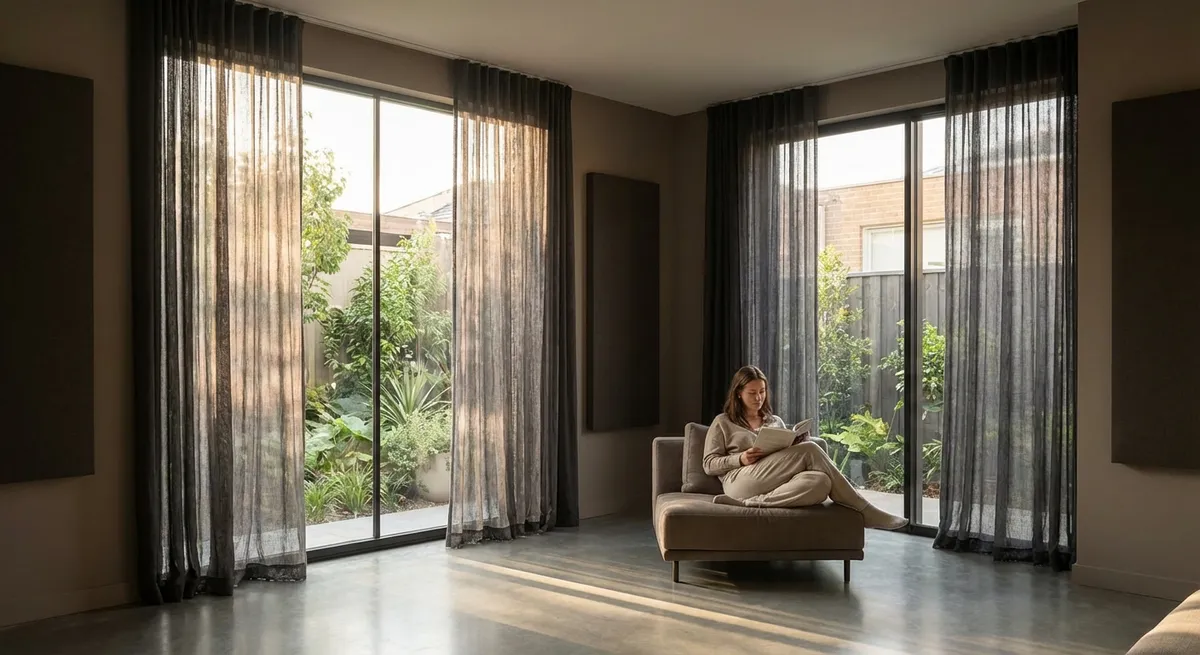
For discerning homeowners, energy efficiency is no longer a purely technical metric—it is an invisible layer of comfort, calm, and long-term value woven into the architecture of a home. Windows sit at the center of this experience: they choreograph light, regulate temperature, and influence both the acoustic and aesthetic atmosphere of a space. When chosen and specified with intention, they transform efficiency from a utility concern into a refined living advantage.
Below are five exclusive, often-overlooked insights that elevate window efficiency from “code compliant” to truly exceptional.
1. Invisible Climate Control: Understanding Selective Solar Management
Premium window performance begins with how deftly glass manages the sun itself. Beyond generic “low‑E” labels, there are nuanced spectrally selective coatings that filter heat while preserving luminous, natural daylight.
High-end glazing can be tuned to achieve a low Solar Heat Gain Coefficient (SHGC) on sun-exposed façades, reducing unwanted summer heat, while allowing more solar gain on cooler orientations to support passive warming in winter. When aligned with your home’s orientation and climate—south- and west-facing elevations in warmer regions, for example—this tailored approach can unlock significant reductions in HVAC load without sacrificing the visual clarity or warmth of daylight.
The most sophisticated solutions treat solar control as a design variable, not an afterthought—pairing selective coatings, overhangs, and landscaping to ensure that the home feels naturally temperate rather than mechanically overcorrected.
2. Quiet Efficiency: Why Acoustic Performance and Energy Savings Intersect
Energy-efficient windows often deliver an understated bonus: an acoustic hush that feels unmistakably premium. Multi-pane units with insulated glass and advanced frame systems reduce air leakage and thermal transfer—and those same characteristics help dampen exterior noise.
Upgraded window assemblies often incorporate different glass thicknesses or laminated interlayers to disrupt sound waves. While specified for quiet, these measures also improve airtightness, which is a critical driver of energy performance. Every micro-gap that admits sound also invites drafts, humidity variations, and thermal instability.
For homes near urban centers, flight paths, or busy roads, investing in high-spec acoustic performance is, in practice, an energy strategy as well: your HVAC system no longer has to battle a constant exchange of conditioned and unconditioned air through inferior seals and frames. The result is a stable indoor climate that feels composed, insulated from both temperature swings and the din beyond the glass.
3. Frame as Sculpture: The Thermal Signature of Material Choices
Window frames act as the structural “jewelry” of the façade, but they are also thermally active components. A visually elegant profile that performs poorly thermally undermines the entire assembly.
Aluminum, for instance, is prized for its minimal sightlines and modern aesthetic, yet it conducts heat readily. High-caliber systems counter this with deep thermal breaks—insulating barriers hidden within the frame that dramatically reduce heat transfer. Warm-edge spacers at the glass perimeter further diminish thermal bridging and condensation risk.
Fiberglass and advanced composites provide a refined balance: slim, stable profiles with excellent thermal resistance and low expansion, which helps maintain a precise seal over time. High-quality wood, properly clad or protected, offers a naturally warm interior aesthetic combined with strong insulating properties, making it a favorite for luxury projects in colder climates.
A truly elevated specification treats the frame as an integrated thermal and design element—chosen not only for finish and form, but for its contribution to the home’s overall comfort envelope.
4. Heat Flow in Motion: The Subtle Impact of Operable Configurations
Beyond glass and frames, the way a window opens—and how often—quietly shapes energy performance. Operable units introduce joints, seals, and hardware that must sustain an airtight closure over years of use.
Casement and awning windows, for example, typically compress their seals when closed, providing exceptional air tightness compared to older sliding or single-hung configurations. Tilt-and-turn systems, popular in high-performance European construction, offer dual functionality: secure ventilation in tilt mode and a robust seal in turn mode, supporting both fresh air intake and efficient conditioning.
Thoughtful layouts can harness stack effect and cross-ventilation to reduce reliance on mechanical cooling: high operable windows paired with lower ones encourage warm air to escape naturally. In temperate seasons, this passive ventilation strategy turns your window design into an active component of your home’s climate choreography, lowering energy use while preserving a fresh, breathable ambience.
5. Data-Driven Elegance: Using Performance Labels to Curate True Quality
On a premium project, aesthetics typically dominate the conversation. Yet the most sophisticated window choices rest on a quiet foundation of verified performance data. Labels from recognized certification bodies—such as the National Fenestration Rating Council (NFRC) in the U.S.—provide standardized metrics for U-factor, SHGC, visible transmittance, and air leakage.
For a luxury residence, this data is less about meeting minimum codes and more about fine-tuning the interior experience: a lower U-factor for stable winter comfort, a targeted SHGC for each orientation, and low air leakage rates for a consistently calm indoor environment. These metrics also inform long-term operating costs and can support modeling for whole-home energy performance, particularly in high-design or custom builds.
The most successful window upgrades blend this analytical rigor with elevated design: performance reports and energy models behind the scenes, sculpted frames and luminous glass in view. The result is an environment that feels effortlessly comfortable, though carefully engineered.
Conclusion
Energy-efficient windows, at their most refined, are not simply about reducing utility bills—they are instruments of atmosphere. They moderate light, sound, and temperature in a way that makes a home feel composed, stable, and intrinsically luxurious. By attending to selective solar management, acoustic calm, frame materials, operable configurations, and data-backed performance, homeowners can curate window solutions that are as technically sophisticated as they are visually serene.
In the end, energy efficiency is the quiet signature of a well-resolved residence: you notice it not as a feature, but as a pervasive sense of ease every time you cross the threshold.
Sources
- U.S. Department of Energy – Energy-Efficient Window Attachments - Explains how windows and related components impact home energy performance
- ENERGY STAR – Residential Windows, Doors and Skylights - Details efficiency criteria, climate considerations, and benefits of certified products
- National Fenestration Rating Council (NFRC) - Provides standardized rating information for window U-factor, SHGC, visible transmittance, and air leakage
- Efficient Windows Collaborative – Window Selection Guidance - Offers technical and practical guidance for choosing high-performance windows by climate and orientation
- Berkeley Lab – Windows and Daylighting Research - Summarizes research on advanced glazing, solar control, and thermal performance in high-efficiency window systems
Key Takeaway
The most important thing to remember from this article is that this information can change how you think about Energy Efficiency.