In refined homes, comfort is no accident—it is curated. The right windows do far more than frame the view; they orchestrate light, temperature, and acoustics in a quiet equilibrium. For homeowners considering a serious window upgrade, energy efficiency is no longer a purely technical metric; it is a design decision with daily, tangible consequences. When approached thoughtfully, high‑performance windows can feel less like a utility upgrade and more like a long-term enhancement of how your home lives, breathes, and behaves.
Below are five exclusive, often overlooked insights that sophisticated homeowners appreciate when they move beyond “double-pane and efficient” into a more deliberate, performance-led window strategy.
Insight 1: Spectrally Selective Glass—When Sunlight Is Curated, Not Blocked
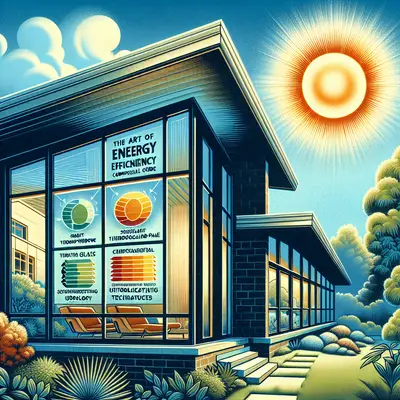
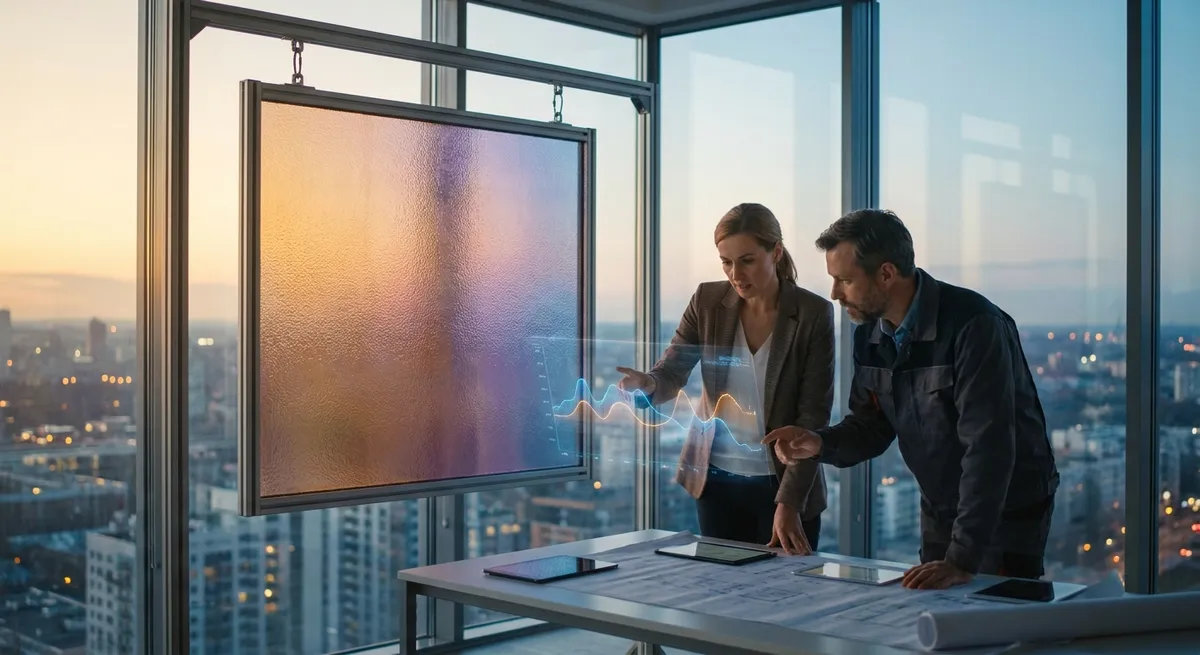
Most homeowners are told that “low-e” glass is good and “tinted” or “clear” are basic decisions. That is a crude simplification. Spectrally selective coatings—advanced forms of low-emissivity (low-e) technology—are engineered to admit generous visible light while filtering out a disproportionate amount of infrared (heat) and ultraviolet (fading) radiation.
Instead of simply darkening the glass to reduce heat, spectrally selective glazing separates the useful part of sunlight (illumination, sense of openness) from the damaging and energy-intensive parts (heat load, UV-induced fading of fabrics and finishes). This allows a living room to remain luminous at midday without the familiar trade-off of excessive solar gain that overworks the cooling system.
For premium projects, it is increasingly common to specify different coating formulations by orientation: a more aggressive solar control on west- and south-facing façades, and a more light-forward formula on north and sheltered exposures. The result is a home that looks visually consistent from the outside, yet internally feels tuned and calibrated, room by room, to the path of the sun.
Insight 2: Air Tightness Is the Quiet Luxury No One Sees
Many discussions of efficient windows fixate on glass. Yet, from a performance perspective, air leakage is often the silent culprit. Two ostensibly similar window models—both double-glazed, both low-e—can behave very differently if one has superior air-sealing technology and tighter manufacturing tolerances.
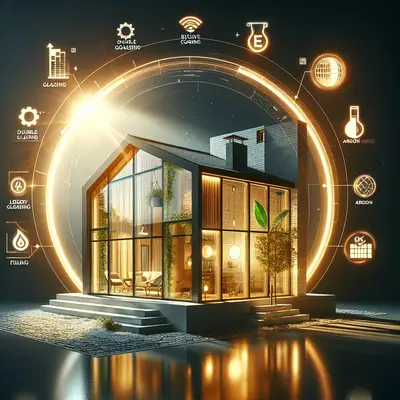
Well-engineered compression seals, multi-point locking systems, and precision-engineered frames can dramatically reduce uncontrolled air exchange. This becomes particularly important in climates with large temperature swings, where drafts introduce not just discomfort but steady energy loss over the entire season. The luxury here is subtle: a room that feels consistently calm, without localized cold zones near the glass or a sense of “wind” when a storm rolls in.
Savvy homeowners now look beyond U-factor and solar heat gain coefficient (SHGC) to examine certified air leakage ratings and the quality of gasketing, weatherstripping, and installation details. Energy efficiency, in this sense, becomes tactile: the solid feel of the sash closing, the absence of whistle or rattle in high winds, and the experience of standing near a window in winter without needing a throw blanket.
Insight 3: Frame Materials as Thermal Instruments, Not Just Aesthetic Choices
The frame is not merely a border for glass; it is an active thermal component. Yet material decisions are often treated as purely stylistic—“wood for warmth, aluminum for modernity, vinyl for practicality.” A more sophisticated approach sees each frame system as a thermal instrument with a distinct performance signature.
- Thermally broken aluminum allows for slim, contemporary profiles while separating interior and exterior metal with insulating barriers, curbing the otherwise high conductivity of aluminum. In high-end projects, these systems can be paired with advanced glazing to deliver both minimal sightlines and serious thermal performance.
- Fiberglass and composite frames offer excellent dimensional stability and inherently low thermal conductivity. They expand and contract at rates similar to glass, reducing stress on seals over time and supporting long-term performance—a quiet but important consideration for owners who plan to remain in place for decades.
- Engineered wood-clad systems bridge classic interior warmth with a highly durable, weather-resistant exterior. When combined with modern insulating cores and high-quality finishes, they can deliver a balance of efficiency, longevity, and visual richness that suits historic or architecturally significant homes.
Thinking of frames as part of the home’s thermal envelope—rather than merely as decoration—shifts the conversation from “what looks nice?” to “what performs beautifully for 30 years under real-world conditions?”
Insight 4: Daylighting Strategy—Reducing Energy Use Without Touching the Thermostat
Truly efficient windows reduce more than heating and cooling consumption; they can meaningfully trim lighting energy as well. This is where daylighting strategy comes in—how glass size, placement, and performance interact to reduce reliance on artificial lighting while avoiding glare and overheating.
Windows with high visible transmittance (VT) and well-chosen low-e coatings make it possible to enjoy bright interiors throughout much of the day without excessive solar heat gain. When integrated with thoughtful interior design—light-reflective wall colors, well-positioned work surfaces, and selective use of shading—the right glazing can delay the need for artificial lighting by several hours daily.
For homeowners pursuing a refined experience, daylighting also affects mood and perception: spaces feel larger, materials show their true texture, and the home gains an almost gallery-like clarity. Energy savings quietly follow, but the daily lived experience—the way a kitchen feels at 10 a.m., or a library at 4 p.m.—is the true reward.
Insight 5: Future-Focused Metrics—Choosing Windows That Age Gracefully
Energy-efficient windows are not a short-term appliance; they are a multi-decade infrastructure decision. Yet many specifications stop at meeting today’s code requirements. A more elevated approach is to think in terms of “resilience”: how well will these windows perform as energy codes tighten, utility costs rise, and climate volatility increases?
High-end homeowners increasingly look at:
- U-factors and SHGC values that outperform current minimums, providing a cushion against future standards and energy price shifts.
- Durability of seals and spacers, such as warm-edge or non-metallic spacers that resist condensation and maintain insulating performance over time.
- Upgrade paths, like systems that can accept internal blinds, changeable glazing units, or advanced coatings if needed in the future.
- Compatibility with whole-home strategies, including heat pumps, smart thermostats, and mechanical ventilation with heat recovery—ensuring windows support, rather than conflict with, a high-performance envelope.
This future-focused lens transforms windows from a one-time purchase into an architectural strategy: they are chosen not only for today’s comfort, but for how gracefully they will serve as energy, comfort, and climate expectations evolve over the lifespan of the home.
Conclusion
Energy-efficient windows are often marketed as a rational payback calculation: invest now, save over time. For discerning homeowners, the calculus is richer. Intelligent glazing, meticulous air control, thermally considered frames, strategic daylighting, and future-ready performance converge to create spaces that feel composed—temperate, quiet, luminous, and enduring.
When approached with this level of intention, upgrading windows ceases to be a maintenance task and becomes an act of curation. The home gains a quieter kind of luxury: not loud or ostentatious, but felt every morning in the quality of light, the steadiness of temperature, and the sense that your surroundings are working with you, not against you.
Sources
- U.S. Department of Energy – Energy-Efficient Windows – Overview of window performance factors, coatings, and frame materials
- Efficient Windows Collaborative (National Fenestration Rating Council) – Research-based information on window technologies, metrics, and design guidance
- Lawrence Berkeley National Laboratory – Low-Emissivity (Low-E) Coatings – Technical explanation of low-e and spectrally selective coatings and their impact on performance
- U.S. Environmental Protection Agency – ENERGY STAR Windows, Doors & Skylights – Performance criteria and guidance for high-efficiency residential fenestration
- Whole Building Design Guide (National Institute of Building Sciences) – In-depth resource on daylighting strategies and their effect on energy use and comfort
Key Takeaway
The most important thing to remember from this article is that this information can change how you think about Energy Efficiency.