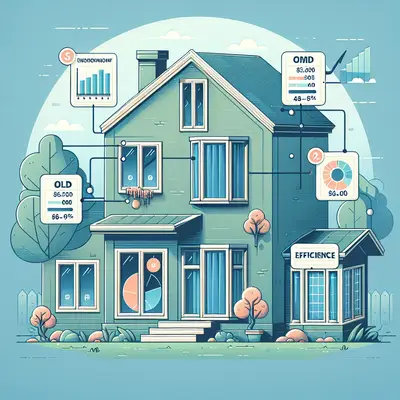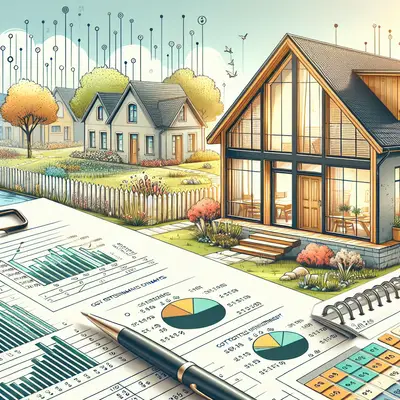
When windows are treated as an architectural afterthought, cost conversations tend to fixate on line items and discounts. In a considered home, however, windows sit closer to curated investments than commodity purchases. The true calculus is not “How much do they cost today?” but “What quiet dividends will they deliver, year after year, in comfort, performance, and long‑term resilience?”
For homeowners accustomed to elevated finishes and tailored spaces, the most valuable numbers are often the ones that do not appear in a standard quote. This cost analysis reframes high‑end window upgrades through a more nuanced lens—one that surfaces hidden value, clarifies where premium truly matters, and exposes where spending more simply does not.
Rethinking Cost: From Line Item to Lifespan
Traditional quotes emphasize unit price, installation charges, and perhaps a projected energy saving. That accounting is serviceable, but it fails to address how premium windows actually perform across decades.
A more sophisticated analysis begins by asking: over a 25–30 year horizon, what is the interplay between initial cost, durability, and performance drift? Many mid‑tier windows are designed to hit a price point rather than preserve their as‑installed performance. Weatherstripping compresses, seals fatigue, and glass coatings gradually lose efficiency. The product technically “lasts,” but it does not behave like it did on day one.
By contrast, well‑engineered high‑performance windows—especially those with robust frames (fiberglass, high‑density composites, or thermally broken aluminum) and advanced glazing—are built to hold their performance profile. The initial premium thus stretches across more heating and cooling seasons without quiet degradation. Evaluating cost in terms of performance years rather than simply calendar years instantly changes the value equation.
This longer view also recasts maintenance. Better finishes, more stable materials, and superior hardware reduce the need for repainting, repairs, and premature replacements. Instead of assessing cost per window, it becomes more accurate to think in terms of cost per year of reliable, high‑performance service in a demanding building envelope.
Insight 1: The “Silence Premium” That Never Appears on the Quote
For many discerning homeowners, noise is the last acceptable intrusion. Yet acoustic performance is rarely framed as a financial factor—despite its tangible impact on wellness, privacy, and perceived property value.
High‑end windows can dramatically reduce sound transmission through laminated glass, asymmetrical glazing, deeper air gaps, and carefully engineered frames. While the market often describes this in decibels, a more refined measure is how effectively the windows filter different types of noise—traffic, aircraft, neighbor activity, or urban ambience.
The “silence premium” shows up in three cost‑related ways, none of which typically appear on a quote:
- Wellness and productivity value: Superior acoustics can quietly improve sleep quality, concentration, and stress levels. While difficult to price, homeowners often report that the resulting calm is one of the most striking differences post‑installation.
- Use of space: Rooms previously avoided because of street noise—corner bedrooms, front-facing living areas, near‑pool offices—become usable and desirable. Functionally, the home gains additional “premium square footage” without an addition.
- Market perception: In higher‑end markets, quiet interiors are no longer a luxury; they are an expectation. Prospective buyers walking from a busy street into an unexpectedly hushed interior often interpret that silence as evidence of overall quality, subtly supporting higher offers and faster sales.
When cost is viewed through this lens, paying more for premium acoustic configurations can be less about indulgence and more about reclaiming both the comfort and functional flexibility of the home.
Insight 2: Design Consistency as a Quiet Protector of Resale Value
Most cost discussions focus on frame materials, glass packages, and installation method, yet one of the most consequential factors for long‑term value is visual coherence. Mixing window lines, profiles, or glazing aesthetics to “save a bit” can introduce subtle design compromises that are disproportionately expensive to reverse later.
Consider the following value dynamics:
- Architectural continuity: In custom or architect‑designed homes, inconsistent sightlines, mismatched grid patterns, or clashing frame proportions can undermine the original intent. Correcting this later often involves replacing perfectly functional but visually wrong windows—an expensive duplication of cost.
- Glazing uniformity: Different glass coatings can yield slightly different color casts and reflectivity across façades. From the sidewalk or terrace, this can read as patchwork. A consistent premium glazing package produces a cohesive, calm exterior expression that aligns with elevated architecture.
- Hardware and operation: Interior hardware finish, handle design, and operating style (casement, tilt‑turn, or lift‑slide) set a tactile standard throughout the home. Inconsistent selection to shave cost can fracture the user experience and subtly downgrade perceived quality.
By investing up front in a unified, thoughtfully specified system—even if it means phasing work across multiple stages—homeowners often preserve a more resilient resale profile. Buyers may not articulate why a home feels more composed, but they respond favorable to the sense of deliberate design. In financial terms, that coherence protects the premium that the rest of the home’s finishes and architecture are trying to command.
Insight 3: Energy Models Reveal Where “More” Glass Costs Less
Conventional wisdom warns that expansive glazing is expensive to heat and cool. That can be true with standard windows—but high‑performance units dramatically alter the math. This is where integrating a basic energy model into cost analysis becomes unusually powerful.
Instead of evaluating each window in isolation, consider the following approach:
- Orientation‑specific cost strategy: Work with your designer or energy consultant to model different glass packages by façade—south, north, east, and west. In many climates, it can be more cost‑effective to prioritize ultra‑high-performance glazing on a few solar‑exposed elevations, while using a slightly less aggressive (but still premium) spec where solar gain is minimal.
- Balancing glass vs. mechanical equipment: When energy modeling reveals significantly reduced heat loss or gain, it may be possible to downsize HVAC equipment, ductwork, or supplemental heating/cooling systems. That reduced mechanical spend can help offset the window premium.
- Comfort as a financial factor: Thermal discomfort drives behavioral costs—space heaters, window coverings left closed, or under‑utilized rooms that feel too cold or hot. Windows that maintain a narrow interior surface temperature range expand where and how your home feels comfortable, increasing the perceived value of every square foot.
The lesson is subtle but powerful: under a high‑performance specification, added glass does not always equal added operational cost. With analytical modeling, you may find that the “expensive” option in the quote is, in fact, the more economical path once whole‑house systems and lived‑in comfort are accounted for.
Insight 4: Choosing Materials by Climate, Not Marketing
Frame material selection is often framed as a binary—vinyl to save, aluminum or wood to spend. A more elevated analysis asks how each material behaves under your climate, UV exposure, and aesthetic expectations over decades, not just at installation.
Key nuances that influence long‑term cost:
- Thermal performance vs. stability: In demanding climates—high sun, large temperature swings, coastal exposure—lower‑tier vinyl can warp, fade, or lose tightness over time. The short‑term savings can be erased by air leakage, condensation issues, and premature replacement. In such contexts, fiberglass, engineered composites, or thermally broken aluminum often represent a truer long‑term economy.
- Finish longevity: High‑quality factory finishes on aluminum or fiberglass (including powder coatings and specialized exterior finishes) generally outperform field paint in longevity and color stability. This translates into lower maintenance costs and fewer aesthetic refreshes.
- Wood as a curated, not default, upgrade: Wood interiors, especially in premium species, should be treated as a deliberate design choice rather than a reflexive upgrade. They introduce maintenance expectations but can be ideal where tactile warmth and compatibility with high‑end millwork are paramount. In these cases, cost analysis must weigh the value of a cohesive interior aesthetic against the time and resources required for periodic maintenance.
In short, the “right” material is rarely the one that looks least or most expensive on paper. It is the one whose performance, maintenance profile, and visual character are in harmony with your specific climate, architecture, and tolerance for upkeep. When chosen correctly, the extra dollars spent on suitable materials buy fewer compromises, not simply more marketing features.
Insight 5: Strategic Phasing Beats Piecemeal Replacement
Homeowners often approach window upgrades reactively: replace the worst units first, then address the rest as budget allows. While understandable, this can be the most expensive path in the long term—especially for those seeking a refined, consistent result.
A more strategic phasing approach has several financial advantages:
- System‑based grouping: Replace windows in logical groups—by façade, level, or climate‑zone within the home—rather than by most visibly damaged. This allows installers to optimize setup time, staging, and flashing continuity, often improving pricing efficiency and installation quality.
- Protecting envelope integrity: Phased upgrades planned around exterior envelope work (re‑siding, roof replacement, or façade refinishing) minimize redundant labor and reduce the risk of water‑management issues. Windows, flashing, and cladding can be treated as one integrated system, improving durability and reducing future repair costs.
- Maintaining design continuity: When phasing is thoughtfully planned, you can specify a consistent window line and aesthetic across stages—even if some work happens years apart. This protects the ultimate, cohesive outcome, rather than leaving you with a fragmented appearance caused by opportunistic, one‑off replacements.
- Financing and cash‑flow elegance: Strategic phasing can enable higher‑quality choices by aligning project segments with liquidity events, bonus cycles, or refinancing. Instead of compromising quality to compress everything into a single, budget‑strained year, you can maintain a premium specification by sequencing the work in a disciplined manner.
In a refined cost analysis, the question is not simply “How many windows can we afford this year?” but “How do we structure this over time to avoid rework, preserve design integrity, and safeguard the building envelope?”
Conclusion
Elite window upgrades reward those who look beyond the obvious numbers. When evaluated through the lenses of silence, design coherence, energy modeling, climate‑appropriate materials, and intelligent phasing, the true cost picture becomes more nuanced—and often more favorable to premium solutions than initial quotes suggest.
The most successful projects treat windows as long‑horizon investments in comfort, architecture, and resilience rather than as isolated purchases. By insisting on deeper analysis, you align your spending with how you actually live in the home: quietly, daily, and over many seasons. In that context, the finest windows are less a splurge and more a disciplined expression of value—one that will continue to pay invisible dividends long after the invoices are filed away.
Sources
- U.S. Department of Energy – Guide to Energy-Efficient Windows – Overview of window types, frame materials, and efficiency considerations that inform long-term cost and performance
- Efficient Windows Collaborative (University of Minnesota) – Independent guidance on window performance, energy modeling, and climate-specific recommendations
- National Renewable Energy Laboratory (NREL) – Residential Efficiency Measures – Research-based analysis of cost-effectiveness for various envelope upgrades, including windows
- U.S. Environmental Protection Agency – ENERGY STAR Windows, Doors, and Skylights – Criteria and savings estimates that support evaluating premium window options
- Building Science Corporation – Window Selection and Placement – Technical insights on how window design, placement, and specifications affect comfort, energy, and building durability
Key Takeaway
The most important thing to remember from this article is that this information can change how you think about Cost Analysis.