There is a quiet renaissance happening behind some of the world’s most beautiful façades. As photo essays of century-old homes go viral—showcasing soaring sash windows, intricate mullions, and sun-drenched rooms—another story is unfolding off camera: how discerning homeowners are reconciling architectural heritage with 2020s-level energy performance.
From New England Colonials to Parisian Haussmann apartments, the question is the same: how do you preserve character while achieving the kind of thermal comfort and efficiency investors now expect? The answer increasingly lies in sophisticated window strategies that respect history yet perform to modern standards—mirroring the very trend celebrated in today’s features on “beautiful old houses” whose craftsmanship has truly stood the test of time.
Below are five exclusive, forward-looking insights for homeowners who want their next window upgrade to feel less like a repair—and more like a refined, long-term energy investment.
1. The New Luxury: Invisible Performance Behind Classic Profiles
The global surge of interest in historic homes—fueled by social media galleries of 19th- and early-20th-century architecture—has rewritten what “premium” means in residential design. High-net-worth buyers are no longer impressed by oversized, generic glazing alone; they are seeking rooms where light, proportion, and thermal comfort coexist.
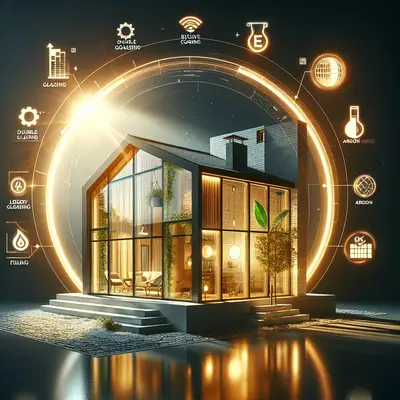
Modern manufacturers have responded with historically sensitive, high‑performance window lines: ultra-slim insulated glass units, laminated restoration glass with subtle waviness, and thermally broken steel or aluminum frames that visually mimic original steel or wood profiles. In leading European markets, where energy codes and preservation rules are both strict, these solutions have become standard on top-tier projects—London townhouses in conservation areas, Paris apartments along the Boulevard Haussmann, and pre-war buildings in Berlin and Amsterdam.
For homeowners in North America and beyond, this means you no longer have to choose between character and comfort. A sophisticated upgrade today is defined by what you don’t notice: no bulky frames, no glaringly modern sheen—just dramatically reduced heat loss, fewer drafts, and a room that feels serenely stable in every season.
2. Energy Efficiency Is Now a Resale Signal, Not Just a Utility Line Item
As mortgage markets tighten and buyers scrutinize ongoing costs more carefully, energy efficiency has moved from “nice to have” to a core component of perceived property value. In many major cities, high-end listings that combine historic architecture with documented energy upgrades—triple-pane or low‑E double-pane windows, airtight detailing, and integrated shading—are commanding a clear market premium.
Luxury real estate agents increasingly highlight window specifications alongside kitchen brands and bath fixtures. In markets like New York, Boston, London, and Vancouver, phrases such as “high-performance glazing,” “restored original windows with interior storm panels,” or “thermally upgraded period façade” are appearing in listing copy as differentiators. Buyers attuned to long-term holding costs read these as shorthand for quieter interiors, stable room temperatures, and lower exposure to rising energy prices and tightening building standards.
For an owner considering upgrades today, that trend is powerful: windows are no longer purely a comfort decision. A carefully documented, energy-focused window project—complete with performance data, installer credentials, and product warranties—can become a tangible marketing asset at resale, particularly in architecturally significant homes where “authentic yet efficient” is increasingly the most coveted combination.
3. The Thermal Envelope Is the New Status Symbol—Windows Are Its Signature
In contemporary high-performance building practice, the entire home is treated as a single “thermal envelope.” Windows are not isolated components; they are precision-engineered interfaces between interior comfort and exterior climate. This mindset, long standard in passive house and net-zero projects in Germany and Scandinavia, is rapidly permeating higher-end renovations in North America and Australia.
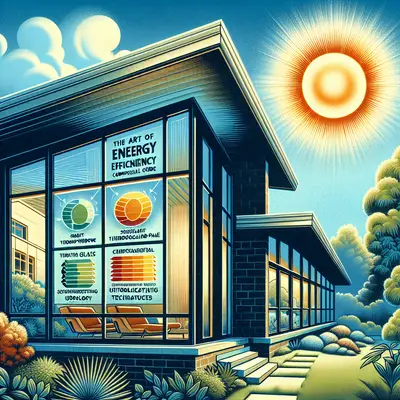
For the discerning homeowner, this reframes how to approach window selection. Instead of starting with aesthetics alone, sophisticated projects now begin with numbers: U‑factor, solar heat gain coefficient (SHGC), visible transmittance, and air leakage ratings, all tailored to orientation and local climate. In cooler climates, large south- or west-facing windows may be specified with higher SHGC to harness free winter solar gain, while east- and west-facing exposures in hot regions might use selective coatings that admit generous daylight yet strongly limit infrared heat.
This level of tuning is not overkill—it is the contemporary language of comfort and discretion. When done well, it yields interiors where radiant surfaces (including the glazing itself) feel near room temperature even on harsh days. The result is a space that reads as quietly luxurious: no cold zones near glass, no “hot box” afternoons, just a refined, even climate that allows architecture, art, and furnishings to take center stage.
4. Intelligent Layering: How Double-Skin Strategies Are Redefining Old-World Elegance
One of the most compelling developments in energy-conscious renovation echoes a principle seen in top-tier commercial architecture: layered façades. For residences—especially historic properties where original windows cannot or should not be removed—this often means pairing existing frames with meticulously designed secondary systems.
High-end interior storm windows have evolved far beyond the clunky panels of decades past. Today’s best solutions use ultra-clear glass or acrylic, nearly invisible low-profile frames, and advanced gaskets to create a tight interior seal. In some European heritage projects, triple-pane performance has been achieved by leaving the original single-glazed sash in place and adding a custom secondary sash or panel on the interior, creating a discreet “double-skin” arrangement.
The payoff is substantial: dramatic improvements in sound insulation, reduced condensation risk, and notable gains in thermal performance, all while preserving exterior sightlines and interior millwork. For homeowners in landmark districts or architectural conservation areas, this approach often unlocks performance that was previously thought incompatible with preservation rules. It is, in many ways, the ultimate refined solution—elegant, reversible, and deeply respectful of the home’s original fabric.
5. From Fabric to Filters: The Rise of Curated Daylight and Solar Control
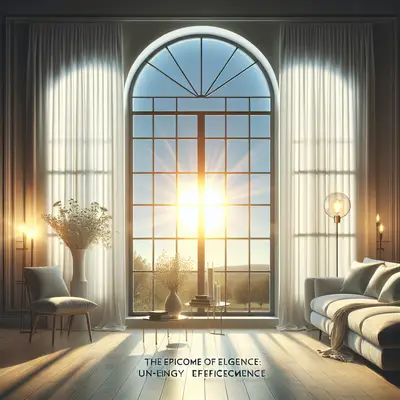
As global attention turns back to the poetry of natural light—reflected in the enduring popularity of photo essays that celebrate sun-filled rooms and tall historic windows—there is a growing awareness that how light is managed is as important as how much enters a space. This has elevated the role of sophisticated shading and glazing technologies in premium homes.
The latest generation of low‑E and spectrally selective coatings can distinguish between visible light and solar heat, admitting one while rejecting much of the other. When paired with thoughtfully designed shading—motorized shades recessed into ceiling pockets, side‑channel blinds that maintain clean lines, or exterior shading devices in contemporary additions—the outcome is a highly curated daylight experience. The room remains bright and visually serene, while UV and excess heat are quietly filtered out.
Homeowners are increasingly looking to textiles and glass as co‑conspirators in energy design: fabrics selected not just for color and texture, but for their openness factor, reflectivity, and thermal behavior; glass chosen as much for its spectral performance as for its clarity. In climates facing hotter summers and more frequent heat waves, this combination of elegant shading and tuned glazing is rapidly moving from optional upgrade to essential resilience strategy—one that protects finishes, art, comfort, and energy bills in a single, visually cohesive gesture.
Conclusion
Across the world, the most captivating homes in today’s headlines and social feeds share a common thread: an almost effortless interplay of light, proportion, and comfort. Yet behind that apparent ease lies an increasingly sophisticated approach to energy efficiency, in which windows are treated not as mere apertures, but as precision instruments of climate, character, and value.
For homeowners considering upgrades now, this is a rare opportunity. The market has matured to a point where you can demand three things at once: architectural integrity, measurable performance, and long-term resilience in the face of rising energy expectations. When chosen with intent, your next generation of windows will not simply update your home; they will quietly future‑proof it—preserving its beauty while aligning it with the most refined standards of modern living.
Key Takeaway
The most important thing to remember from this article is that this information can change how you think about Energy Efficiency.