Windows are no longer mere openings in a wall; they are architectural instruments that shape light, mood, efficiency, and value. For discerning homeowners, selecting the right window type is less about catalog options and more about orchestrating a tailored experience—visual, tactile, and acoustic. This is where thoughtful choices in form and function quietly elevate a residence from well-appointed to truly exceptional.
Below, we explore the leading window types through a refined lens—and highlight five exclusive insights that matter when you expect more from your home than standard solutions.
Understanding the Modern Window Landscape
Today’s window marketplace is a convergence of design, engineering, and environmental intelligence. Traditional labels—casement, double-hung, picture—only tell part of the story. Behind each category is a set of performance assumptions: how the sash seals, how air moves, how light is framed, and how the window will age under daily use.
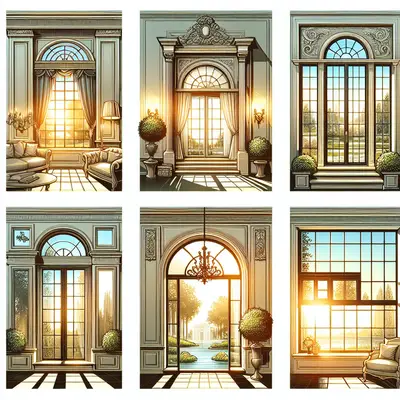
Casement windows, hinged at the side and cranked open, are celebrated for their clean sightlines and superior sealing capability. Double-hung windows, with two operable sashes, offer flexible ventilation and a familiar aesthetic that suits many architectural styles. Picture windows act as quiet, immovable frames for views, often paired with operable units for ventilation. Awning windows, hinged at the top, protect openings from rain while channeling fresh air. Sliding and tilt-turn systems introduce a sleek, contemporary sensibility, often favored in modern or minimalist architecture.
The real luxury lies in reading beyond these labels: understanding how each type interacts with your home’s orientation, your climate, your interior finishes, and your lifestyle. When curated with intention, the result is a tailored composition, not a patchwork of mismatched openings.
Curating Window Types to Architecture and Lifestyle
A sophisticated window plan starts with the house itself. A shingle-style coastal home, a mid-century modern residence, and a contemporary urban townhouse each “ask” for different window expressions. Honoring the architecture while enhancing livability is where the most successful designs begin.
Casement and awning windows complement clean-lined, contemporary homes, where continuous glass and narrow frames support an airy, gallery-like aesthetic. In historic or transitional properties, double-hung and carefully proportioned specialty shapes (segmental arches, ovals, or radius tops) maintain authenticity while integrating modern performance. In lofts or industrial-inspired spaces, large-format sliders and expansive fixed panes echo the language of steel factory windows, even when executed in high-performance materials like fiberglass or aluminum-clad wood.
Lifestyle is equally important. If you entertain frequently, low-sill operable windows near patios or outdoor kitchens invite effortless flow between interior and exterior spaces. In a primary suite, quieter-operating casements or tilt-turn windows can preserve serenity while still providing fresh air. For families, tilt-in sashes and strategically placed operable units make cleaning and daily use both safe and intuitive. The ultimate goal is coherence: a collection of window types that feel orchestrated rather than assembled.
Exclusive Insight #1: Different Window Types “Stage” Natural Light Differently
Not all windows admit light in the same way. Beyond sheer size, the type of operation and framing can subtly alter the character of daylight in a room. This is where a refined approach transcends basic “bigger is better” thinking.
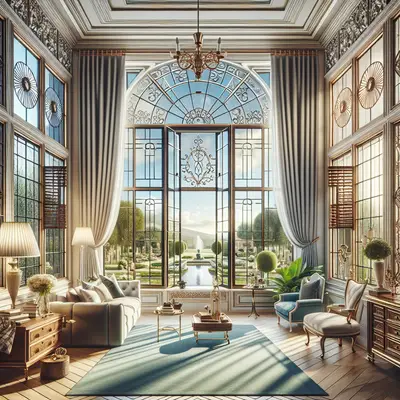
Picture windows and large fixed panels act like cinematic screens, delivering uninterrupted daylight and expansive views with minimal visual interruption. They work particularly well in living areas and stairwells where drama and clarity are desired. Casement and awning windows, with slimmer profiles and outward-opening sashes, often frame light with a slightly more contemporary, precise feel—ideal for kitchens and studies where crisp light is appreciated.
Double-hung windows, with their horizontal meeting rail, can visually segment a view but also help soften and modulate light, lending a traditional, almost “paneled” character to daylight. When used in series, they create a rhythmic pattern of light and shadow that suits classic interiors. Tilt-turn windows, common in European design, invite deep, angled light when tilted, while still providing robust ventilation.
By combining types—picture windows with flanking casements, or clerestory awnings above fixed glass—you can create layered daylight effects: ambient light from above, framed views at eye level, and controlled ventilation where you want it. This is the difference between a bright room and a beautifully lit one.
Exclusive Insight #2: Ventilation Strategy Is an Underestimated Luxury
True comfort is as much about air movement as temperature, and different window types shape that airflow with surprising nuance. When thoughtfully specified, your windows can create natural ventilation patterns that feel quietly luxurious.
Casement windows are particularly effective at “catching” breezes. When opened outward, the sash can act as a subtle baffle, directing fresh air deeper into a room—especially when installed on walls perpendicular to prevailing winds. Awning windows, placed higher on a wall, allow you to ventilate during light rain and are excellent for drawing stale, warm air upward and out.
Double-hung windows allow a unique form of convection: opening both the top and bottom sashes encourages cool air to enter low and warm air to escape high, gently cycling air without obvious drafts. Tilt-turn windows in tilt mode provide secure, soft, top-venting—ideal for bedrooms where you want quiet fresh air without fully “opening” the home.
Pairing these strategies with your home’s layout is transformative. Operable clerestory awnings near high ceilings, casements at mid-height along cross-ventilation paths, and double-hungs in sleeping spaces can reduce reliance on mechanical cooling, creating a more natural, resort-like quality of air.
Exclusive Insight #3: Frame Profiles Influence Both Aesthetics and Performance
Homeowners often fixate on glass specifications while overlooking the sophistication of the frame itself. Yet the profile—its thickness, material, and detailing—has a profound effect on both performance and perceived luxury.
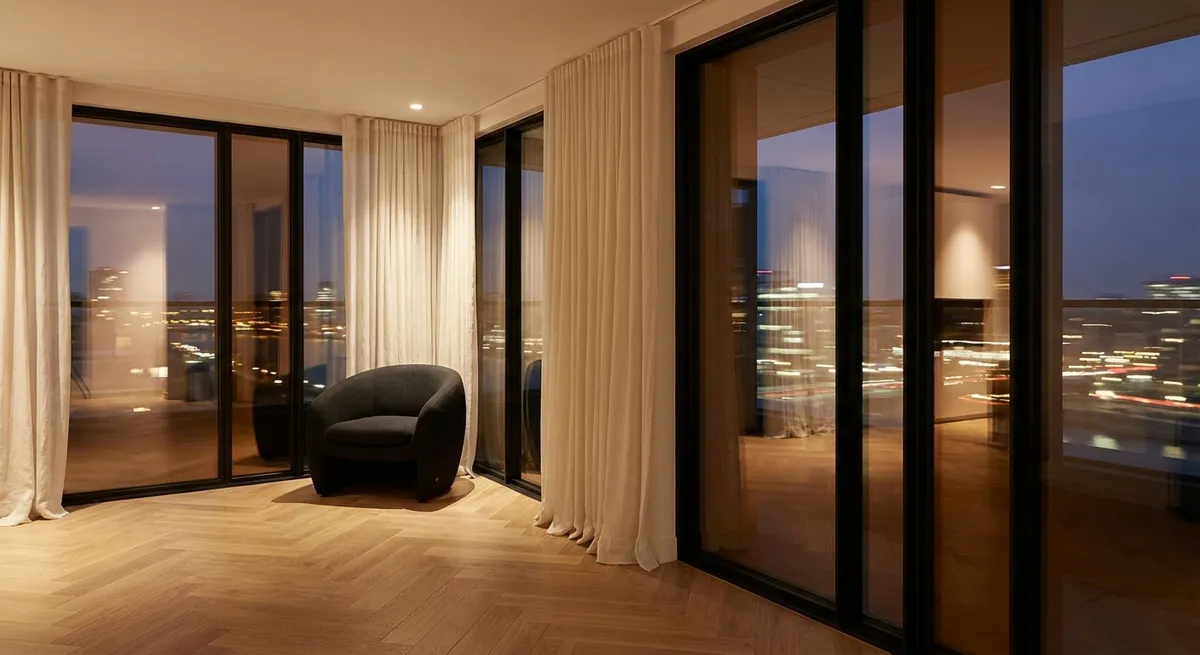
Slim, thermally broken aluminum or fiberglass frames create a refined, minimal look with maximized glass area, suiting contemporary architecture and rooms where the view is the hero. Wood interiors, sometimes with aluminum cladding on the exterior, introduce warmth, tactility, and a bespoke feel—perfect for formal living rooms, libraries, and dining spaces where materiality matters.
From a performance standpoint, different materials behave differently. Fiberglass frames exhibit minimal expansion and contraction, preserving tight seals over time. High-quality vinyl can be efficient and low-maintenance but generally offers a more casual, less sculpted aesthetic. Hybrid frames—wood interior with metal or composite exterior—often provide the most elegant balance of beauty, durability, and insulation.
Fine details such as the depth of the sash, the crispness of the corners, and the proportion of frame to glass distinguish standard windows from exceptional ones. Matching frame profiles across different window types—so your casements, fixed units, and specialty shapes share a consistent language—creates a calm, curated visual rhythm throughout the home.
Exclusive Insight #4: Operational Experience Is a Hallmark of Discreet Luxury
How a window operates is more than a practical matter; it is part of the daily ritual of living in your home. The tactile experience of a smooth crank, the satisfying click of a secure lock, and the ease of cleaning all contribute to a sense of quiet luxury.
Casement windows with high-quality hardware should open with minimal effort, even when large and heavy. A well-engineered system will hold position without wobble and close with a reassuring, airtight seal. Tilt-turn windows, when properly specified, deliver a particularly refined experience—one handle controlling tilt and swing functions with effortless precision, often favored in high-end European-inspired designs.
For double-hung windows, look for designs where the sashes glide smoothly and remain stable in any open position, with tilt-in capabilities that make cleaning safe and simple from the interior. Premium sliders should move on engineered tracks that feel solid, not loose or rattling, and should lock with a low-profile mechanism that doesn’t interrupt your sightlines.
Considering the operational aspect—especially for frequently used windows in kitchens, primary suites, and main living areas—ensures elegance is not just seen but felt each day.
Exclusive Insight #5: Mixing Window Types Strategically Can Elevate Both Value and Cohesion
There is a misconception that a refined home must strictly adhere to one dominant window type. In reality, a curated mix—executed with discipline—often yields a more tailored, high-end result.
For example, picture windows can anchor key view corridors in living spaces, with narrow-frame casements or awnings providing discreet ventilation on the flanks. In bedrooms, double-hung or tilt-turn windows can offer flexible control of privacy and airflow, while in bathrooms smaller awnings placed higher on the wall maintain privacy without sacrificing daylight.
The key is visual coherence: consistent frame finishes, grille patterns (if any), and proportional relationships between height and width. Specialty shapes—arched, trapezoidal, or corner windows—should be used sparingly as focal elements, not scattered indiscriminately. When thoughtfully orchestrated, the house reads as one composed statement, not as a collection of individual decisions.
From a valuation perspective, appraisers and discerning buyers increasingly respond to homes where the window strategy clearly supports both design and performance. A sophisticated mix of types that feels purposeful can signal quality in ways that are subtle yet powerful.
Conclusion
Selecting window types at a premium level is less about choosing from a menu and more about composing an experience—of light, air, sound, and touch. Casement or double-hung, picture or tilt-turn, awning or slider: each type has its own character and ideal role within a well-conceived home.
By understanding how different windows stage natural light, shape ventilation, refine aesthetics through frame profiles, elevate daily use through superior operation, and work together in a cohesive composition, homeowners can move beyond basic replacement thinking toward genuinely elevated window solutions. The result is not simply a more efficient home, but a more gracious one—where every aperture feels deliberately, quietly exceptional.
Sources
- U.S. Department of Energy – Energy-Efficient Windows – Overview of window types, frames, and performance considerations for efficiency
- Efficient Windows Collaborative – Window Selection Guidance – In-depth guidance on how climate, window type, and frame material affect performance
- National Fenestration Rating Council (NFRC) – Explains performance ratings (U-factor, SHGC, etc.) relevant to different window configurations
- Harvard Graduate School of Design – “Daylighting” Resource – Discusses how apertures and glazing strategies influence interior light quality
- Marvin Windows and Doors – Window Types Overview – Manufacturer reference showing common window types and their typical applications
Key Takeaway
The most important thing to remember from this article is that this information can change how you think about Window Types.