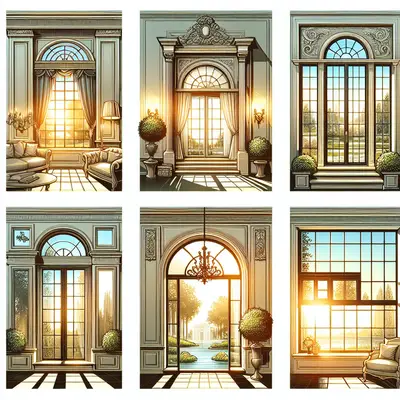
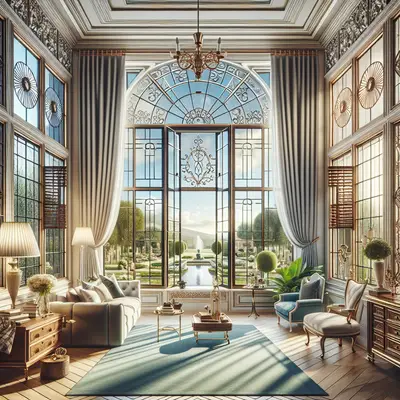
Not all windows are created to the same standard of experience. For homes of quiet distinction, windows cease to be mere openings and become calibrated instruments—of light, silence, thermal balance, and architectural poise. Selecting the right window types is less about browsing a catalog and more about composing a visual and sensory narrative that aligns with how you wish to live.
This guide explores refined window types through a curated lens, and highlights five exclusive insights that discerning homeowners rarely hear in a typical showroom conversation—but absolutely should.
Reading the Architecture Before Choosing the Window
Before comparing specs and glass packages, the most sophisticated decision is to let the architecture lead.
The massing of your home, its rooflines, and its orientation to sun and view should dictate which window types quietly belong—and which will feel imposed. A modern façade with strong horizontal lines often finds its best expression in expansive fixed windows paired with slender casements, while a classic elevation might be better served by double‑hung or elegantly proportioned French casements that echo its vertical rhythm.
Inside, the way you move through rooms matters as much as the exterior composition. In a kitchen, an awning window above a counter offers uninterrupted backsplash lines and controlled ventilation, whereas a slider might interrupt cabinetry and feel visually heavy. In more formal rooms, flanking a large fixed “picture” unit with operable casements maintains symmetrical refinement without sacrificing airflow.
The most successful projects begin with “What is the architecture asking for?” rather than “What’s on promotion?” Windows that align with the building’s underlying geometry feel inevitable rather than installed—an essential distinction at the upper end of the market.
Exclusive Insight #1:
The most elevated window schemes are designed from the façade inward, not from the room outward; the exterior rhythm sets the stage, and interior comfort is then artfully layered on top.
Fixed, Casement, and Awning: The Core Palette of Refined Design
For homes seeking a quietly luxurious expression, three window types form the core palette: fixed, casement, and awning. How you combine them—rather than which one you “choose”—determines the result.
Fixed windows, with no operable sash, offer the cleanest sightlines, the highest potential energy performance, and the most disciplined visual language. They are ideal for curated views, dramatic stairwells, and rooms where ventilation can be supplied elsewhere. The absence of hardware and meeting rails allows light and scenery to assume center stage.
Casement windows, hinged at the side, open like a door to catch breezes and seal tightly when closed. Their single sash minimizes frame interruptions, often outperforming sliders and double‑hungs in both energy efficiency and air tightness. When aligned in banks, they can create a modern, almost gallery‑like aesthetic while still offering meaningful ventilation.
Awning windows, hinged at the top, are discreet allies in spaces that demand privacy or are exposed to weather—bathrooms, garden‑level rooms, or coastal façades. Positioned high on a wall or paired beneath a fixed unit, they allow controlled airflow even during light rain, contributing to both comfort and quiet luxury.
Exclusive Insight #2:
The visual “accent” of a premium elevation often comes not from a special shape, but from the deliberate juxtaposition of fixed and operable windows—using operables as punctuation, not as the main statement.
Sliding, Double‑Hung, and Specialty Forms: Where Tradition Meets Restraint
Sliding and double‑hung windows often occupy a more traditional or practical segment of the market, yet in a carefully curated scheme, they still have their place—especially where heritage or regional vernacular matters.
Double‑hung windows, with two vertically sliding sashes, are synonymous with classic American architecture. They allow nuanced control of airflow (warm air out the top, cool air in the bottom) and support traditional millwork profiles that can feel right at home in historic renovations. In premium lines, weight, balance, and hardware finish can transform them from conventional to quietly exquisite.
Sliding windows, while sometimes seen as utilitarian, can be appropriate where egress, furniture placement, or traffic patterns limit swing space. They are often best used sparingly, in secondary spaces like laundry rooms, side corridors, or low‑visibility elevations, reserving more refined forms for the architectural foreground.
Specialty shapes—arched, circular, or trapezoidal windows—should be used with a disciplined hand. Overuse can quickly cheapen a façade; strategic placement, by contrast, can accentuate rooflines, frame a specific view, or echo a particular architectural gesture.
Exclusive Insight #3:
In refined projects, less celebrated window types (double‑hung, sliders, specialty shapes) are deliberately relegated to supporting roles, preserving visual hierarchy and allowing signature window compositions to retain their impact.
Matching Window Types to Light, Privacy, and Sound
Truly elevated window choices emerge when you consider not only what you see, but what you feel and hear.
Rooms that face striking views but also busy streets may benefit from large fixed or tilt‑turn style windows paired with high‑performance laminated glazing. This combination can simultaneously showcase vistas and hush urban noise to a whisper. In such spaces, the operable component might be modest—a slim casement to one side—preserving both silence and architectural clarity.
In bathrooms and spa‑like suites, smaller awning or casement units placed high on the wall can protect privacy while still encouraging natural ventilation. Frosted, textured, or satin‑etched glass combined with a thoughtfully chosen window type gives you daylight and discretion without resorting to heavy treatments.
For home offices and media rooms, controllable light becomes paramount. Narrow casements or tilt‑turn units with integral blinds, paired with larger fixed glass, allow carefully metered daylight while minimizing glare on screens. In multipurpose family spaces, consider the sun’s seasonal path: operable awnings or casements beneath a deep overhang can bring in gentle reflected light while avoiding direct summer heat.
Exclusive Insight #4:
The most satisfying window plans are mapped first to sensory zones (quiet rooms, bright rooms, private rooms) and only then matched with types—reversing the usual product‑first approach.
Advanced Pairings: When Window Types Become Architectural Furniture
At the premium end, window types are no longer isolated decisions; they are ensemble choices, much like selecting coordinated pieces of fine furniture.
Floor‑to‑ceiling fixed panels can act as luminous walls, with discreet casements or tilt‑turn units embedded in the composition to supply fresh air without cluttering the view. In dining rooms and lounges, tall French or patio doors can be flanked by slender fixed sidelights and clerestory awnings above, turning a single wall into a layered light installation.
Corner windows—often executed as large fixed glass with adjacent casements or tilt‑turns—dissolve boundaries when specified with minimal corner supports or structural glass joints. These demand collaboration between architect, structural engineer, and window manufacturer, but the result is an almost gallery‑grade experience of space and light.
In transitional spaces—hallways, stairwells, and landings—small yet purposeful window types can become moments of discovery. A vertical stack of awnings following the angle of a staircase, or a tall, narrow fixed unit anchoring a landing, can turn circulation zones into moments of quiet theater.
Exclusive Insight #5:
In high‑caliber projects, window types are orchestrated as a family: fixed, casement, awning, and doors are specified from the same aesthetic lineage so that hardware, sightlines, and finishes read as one continuous architectural language.
Conclusion
Choosing window types for an elevated home is less an exercise in shopping and more a practice in composition. The goal is not to own “impressive windows,” but to inhabit rooms where light, view, privacy, acoustics, and comfort feel effortlessly aligned.
By allowing the architecture to guide your choices, treating fixed windows as the canvas and operable units as precise accents, and mapping each window type to the sensory demands of its room, you move beyond basic functionality into something far rarer: a home where every glazed opening feels intentional, inevitable, and quietly exceptional.
Sources
- U.S. Department of Energy – Types of Windows – Technical overview of common window types and their performance implications.
- Efficient Windows Collaborative – Window Selection – Detailed guidance on matching window types to climate, performance, and design needs.
- University of Minnesota Extension – Window Concepts – Educational resource explaining window operation styles, ventilation, and comfort.
- Marvin – Window Types – Manufacturer catalog illustrating various window types, configurations, and design applications.
Key Takeaway
The most important thing to remember from this article is that this information can change how you think about Window Types.