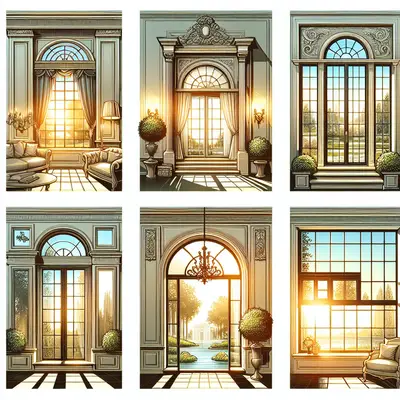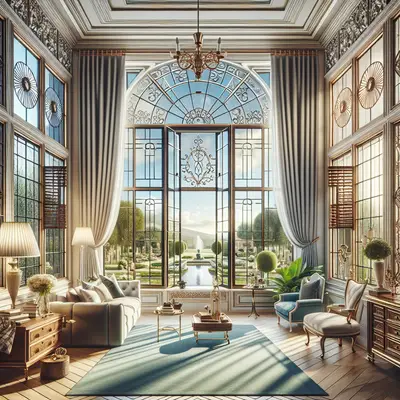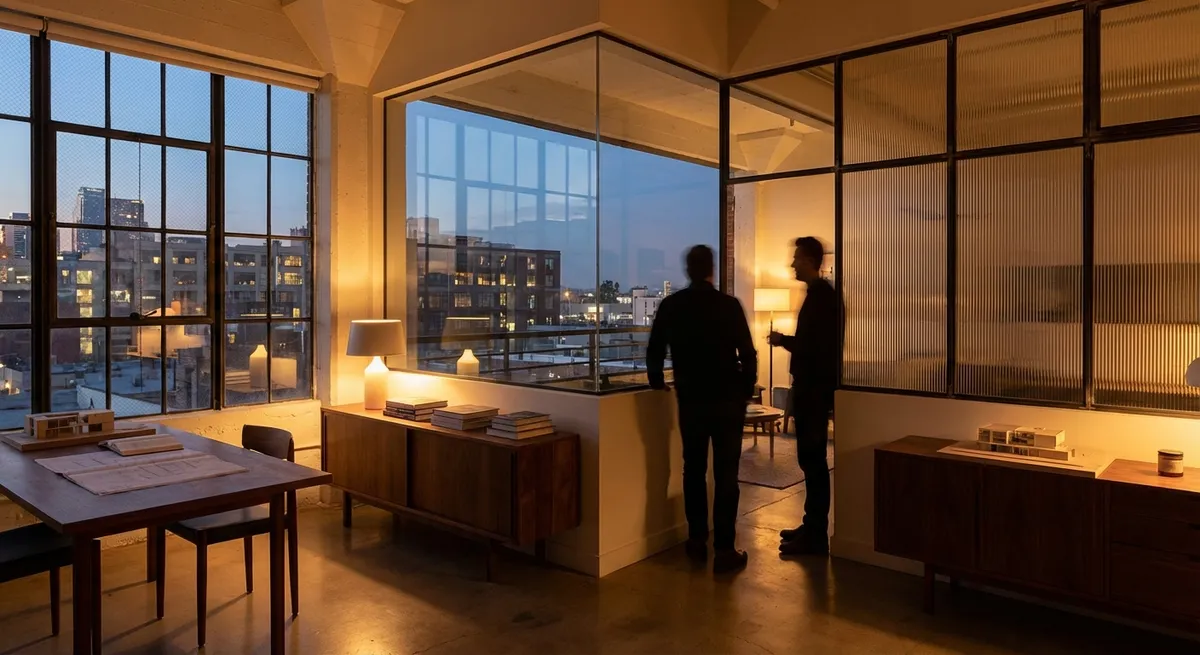
Windows are not merely openings in a wall; they are the points at which architecture enters into conversation with light, landscape, and lifestyle. For the discerning homeowner, selecting window types is less about filling a structural void and more about orchestrating a visual and sensory experience. The right combination of forms, operations, and materials can sharpen a home’s architectural language, refine comfort, and discreetly elevate long-term value.
This guide explores how to think about window types with the nuance usually reserved for fine interiors and bespoke millwork—plus five exclusive insights that sophisticated homeowners quietly rely on when planning elevated window upgrades.
Reading the Architecture: Matching Window Types to Design Intent
Before comparing catalogs or specifications, it is essential to consider what your architecture is trying to say. Window types should reinforce, not fight, the underlying design.
In a contemporary home with emphatic horizontal lines, expansive fixed picture windows and low, wide sliders often feel more at home than traditional double-hung sashes. In contrast, a classic colonial or shingle-style residence is better served by vertically oriented double-hung or casement units with carefully proportioned muntins that echo historic precedent. Transitional properties—by far the most common in luxury renovations—can benefit from a quiet mix: tall casements for ventilation paired with minimal-frame fixed units in main living areas to create a gallery-like calm.
Window operation also conveys personality. Casements read as precise and tailored, awnings as relaxed yet practical, and tilt-turns as distinctly European and engineered. By observing rooflines, façade rhythm, and interior sightlines first, you can narrow the universe of options to window types that complete the architectural sentence instead of interrupting it.
Exclusive Insight #1: Treat window type as part of the home’s “visual grammar.”
Choose one or two primary types to establish a consistent language, then use a specialty window (such as a radius or corner unit) as a deliberate “accent word,” not as visual punctuation scattered randomly across the façade.
Beyond the Façade: How Different Window Types Shape Interior Life
While street elevation matters, the more profound impact of window choice is felt from the inside. Different types create distinct interior experiences—how you move, where you pause, what you notice.
Casement windows, which hinge at the side and open like doors, invite you to engage with the outdoors; you instinctively step closer, lean in, and notice air movement and sound. Awning windows, hinged at the top, feel almost like discreet vents in the architecture, quietly delivering fresh air even during soft rain. Fixed picture windows, meanwhile, create a contemplative, almost cinematic frame that encourages stillness and long, uninterrupted views.
Sliding and lift-and-slide doors effectively function as horizontal windows engineered for movement. They reconfigure daily rituals: a morning coffee that naturally migrates to the patio, an evening gathering that blurs interior and exterior boundaries. Tilt-turns add another dimension—a gentle tilt at the top brings in controlled air, while a full swing open transforms them into oversized casements, ideal for night cooling or dramatic terrace access in upper stories.
Exclusive Insight #2: Decide where you want “active” windows and where you want “quiet” windows.
“Active” windows (casement, tilt-turn, sliders) belong in spaces where you regularly interact with the outdoors—kitchens, family rooms, terraces. “Quiet” windows (fixed or minimally operable) are best for areas where the view is the primary event—stair landings, formal living rooms, and reading niches.
Performance in Disguise: What Window Types Reveal About Comfort and Acoustics
To the untrained eye, many window types appear similar once installed. But operation, framing, and seals can significantly influence thermal comfort and acoustic serenity—especially in high-end homes where expectations are elevated.
Casement and tilt-turn windows typically compress their weatherstripping as they close, creating robust seals that excel in draft reduction and sound control. This makes them strong candidates for façades facing busy streets, flight paths, or harsh winter winds. Sliding windows and doors, while visually elegant, depend more heavily on precision tracks and multi-point locking to approach the same performance; high-quality hardware and installation become non-negotiable.
Fixed units, when thoughtfully paired with operable companions, offer outstanding thermal and acoustic stability. They have no moving parts, which means fewer potential infiltration points and a quieter interior envelope. In ultra-quiet primary suites or home offices, a strategy that favors larger fixed units with strategically placed, high-performance operable windows often achieves a rare blend of silence and connection.
Exclusive Insight #3: Use window type as a performance tool, not just a style choice.
Place casements or tilt-turns on the “hard-working” façades—those exposed to prevailing winds or urban noise—and reserve larger fixed units for view-centric walls. The result is a home that feels calm and consistent, even when exterior conditions shift dramatically.
Material Pairings: When Frame, Operation, and Finish Work in Concert
A refined window strategy doesn’t stop at choosing types; it pairs the right operation with the right materials and finishes to achieve both aesthetic and functional balance.
Aluminum or aluminum-clad frames, with their inherent rigidity, are ideally suited to expansive fixed panes and large sliders, where slim sightlines and structural stability are paramount. These materials support the elegant “sheet of glass” effect often sought in modern architecture. In contrast, wood or wood-clad frames pair beautifully with double-hung or casement units in traditional or transitional homes, especially when paired with real divided lites or convincingly crafted simulated muntins.
Fiberglass and composite frames occupy a sophisticated middle ground, offering dimensional stability, low maintenance, and the ability to mimic wood profiles. They are particularly effective for tilt-turn units or casements in climates that swing between extremes of heat and cold. Thoughtful interior finishes—stained oak, painted poplar, or bespoke color-matched cladding—allow the frames to either recede into the background or become a quiet design feature that dialogues with cabinetry, flooring, or millwork.
Exclusive Insight #4: Align window type with the “material story” of each room.
In formal spaces with fine millwork and statement furnishings, wood or wood-clad casement or double-hung units can reinforce a sense of crafted warmth. In minimalist spaces with strong lines and stone or concrete surfaces, slim aluminum-framed fixed and sliding units keep the visual field disciplined and serene.
Strategic Compositions: Layering Window Types for Sophisticated Living
The most memorable homes rarely rely on a single window type repeated indiscriminately. Instead, they use deliberate compositions and pairings—much like assembling an art collection—to balance drama, utility, and intimacy.
Consider the power of a fixed picture window centered on a view, flanked by slender operable casements that preserve the serenity of the primary pane while allowing controlled ventilation. Or a stairwell that marries a tall, narrow fixed window stack for sculptural daylight with a single out-of-sight awning at the base for subtle air exchange. In bedrooms, a combination of operable windows at human scale and a higher transom or clerestory fixed unit can deliver privacy, airflow, and a wash of soft light in one integrated gesture.
Corner windows, whether formed by two abutting fixed units or a fixed-plus-casement pairing, can de-materialize the boundary at the most important viewpoints. Meanwhile, carefully considered egress requirements in bedrooms can be met with generous casements or tilt-turns that double as dramatic view portals rather than afterthought code compliance.
Exclusive Insight #5: Think in “ensembles,” not isolated windows.
Design each elevation or room as a composition. Combine fixed, operable, and specialty windows in intentional groupings that serve specific purposes: panorama and airflow in living areas, privacy and softness in bedrooms, sculptural light in circulation spaces.
Conclusion
Choosing window types for a high-end home is an exercise in precision, not excess. It is about selecting a handful of forms and operations that reflect your architecture, choreograph daily rituals, and quietly enhance comfort and value—without shouting for attention. When window types are curated with this level of intention, glass ceases to be a passive backdrop and becomes an active, intelligent participant in your home’s narrative.
By approaching window selection as both an art and a technical discipline—attuned to light, acoustics, materials, and the subtle choreography of movement—you transform the ordinary act of “picking windows” into the crafting of an enduring architectural experience.
Sources
- [U.S. Department of Energy – Types of Windows](https://www.energy.gov/energysaver/types-windows) - Overview of common residential window types and their performance considerations
- [Efficient Windows Collaborative – Window Selection Guidance](https://www.efficientwindows.org/selection.php) - Detailed information on choosing window types and configurations for energy performance
- [Forest Stewardship Council – FSC-Certified Wood for Building](https://fsc.org/en/building-and-construction) - Background on responsibly sourced wood products relevant to wood and wood-clad window frames
- [Milgard – Window Frame Materials Comparison](https://www.milgard.com/learn/selection-guide/frame-materials) - Manufacturer guide to differences between vinyl, fiberglass, aluminum, and wood frames
- [Pella – Understanding Different Window Styles](https://www.pella.com/ideas/windows/window-styles/) - Manufacturer breakdown of window operations and style implications for home design
Key Takeaway
The most important thing to remember from this article is that this information can change how you think about Window Types.