The most compelling windows do more than frame a view—they choreograph light, manage climate, and quietly influence how a space feels hour by hour. For discerning homeowners, choosing among today’s window types is less about ticking boxes on a contractor’s form and more about curating a long-term relationship between architecture, performance, and comfort.
This is not a catalog of basic options. Instead, it is a refined exploration of how different window types behave, what subtle advantages they offer, and how to align those advantages with a premium home’s expectations. Woven through are five exclusive insights that often escape the standard showroom conversation, but can dramatically elevate your upgrade decisions.
Understanding Window Types as Architectural Instruments
Most homeowners encounter window types as labels—casement, awning, double-hung, fixed, slider, picture. A more sophisticated lens treats each type as an instrument in an architectural orchestra, with distinct strengths in air control, light, sightlines, and operability.
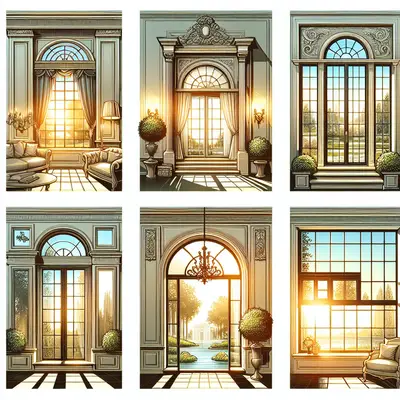
Casement and awning windows, which swing open on hinges, excel at sealing tightly when closed, making them favored in high-performance envelopes. Double-hung and single-hung windows, with their familiar vertical sashes, offer a traditional aesthetic and flexible ventilation but can be more vulnerable to air leakage if poorly specified. Sliders work well in low-profile, horizontal compositions, while fixed and picture windows elevate pure view and thermal performance where ventilation is not essential.
The most refined projects rarely rely on a single window type. Instead, they layer types strategically—pairing operable casements with generous fixed panes, for example—so the home experiences both performance efficiency and aesthetic harmony.
Exclusive Insight #1: Treat Operable and Fixed Windows as a Deliberate Ratio
One of the quietest yet most impactful choices you make is the ratio of operable to fixed windows. Most quote sheets do not mention this explicitly, but it strongly influences cost, comfort, and long-term satisfaction.
Fixed windows are typically more energy-efficient because they have fewer moving parts and seals, and they offer cleaner sightlines. They are also generally less expensive per square foot than operable units of similar quality. Yet a home composed mostly of fixed glass can feel stagnant and difficult to ventilate naturally, especially in temperate seasons.
A sophisticated approach is to identify where you truly need ventilation—over a kitchen work zone, in bedrooms, in bathrooms—and choose operable types that seal exceptionally well in those key locations. Elsewhere, expansive fixed windows can deliver uninterrupted views and superior performance. Thinking in terms of a “ventilation strategy” rather than individual openings elevates the conversation enormously and helps avoid the common trap of overpaying for operable windows that are rarely opened.
Exclusive Insight #2: Different Window Types “Harvest” Light in Distinct Ways
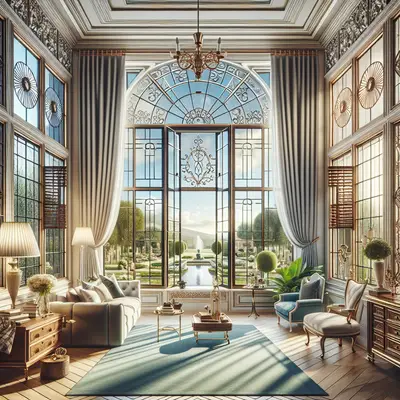
Window types are not neutral conveyors of daylight; their geometry and hardware literally sculpt light. Homeowners aiming for a calm, luminous interior should consider how each type interacts with orientation and interior finishes, not just exterior elevation.
Casement windows, for example, can be positioned to “catch” prevailing breezes and invite light at an angle, which can reduce glare compared with a flat expanse of glass. Tall, narrow casements or tilt-and-turn units can bring light deeper into a room while preserving valuable wall space. Awning windows placed high on a wall or over a picture window introduce soft upper-level daylight that reduces reliance on artificial lighting and adds a sense of height and airiness.
Even sliders and double-hung windows, often considered “standard,” can be curated in unusual proportions—wide, low units washing floors with light, or paired groupings that subtly balance vertical and horizontal sightlines. Understanding each type’s light behavior allows you to specify windows not only for what they look like, but for how they make a room feel at 7 a.m., noon, and sunset.
Exclusive Insight #3: Ventilation Style Is as Important as Ventilation Capacity
Many window discussions stop at “this window opens,” but the way it opens can dramatically alter indoor air quality, comfort, and even cleaning routines.
Casement windows, hinged on the side, can be angled to draw fresh air across a room—particularly useful on leeward sides of a house where breezes are less direct. Awning windows, hinged at the top, allow ventilation even during light rain, which is invaluable in climates with frequent showers and for rooms that benefit from continuous fresh air, like bathrooms and laundry areas. Double-hung windows can ventilate from both top and bottom simultaneously, encouraging warm air to escape at the upper sash while cool air enters at the lower, a subtle but effective thermal behavior in mild seasons.
Tilt-and-turn windows (more common in European-inspired designs) offer dual functionality: a gentle tilt for secure, controlled ventilation and a full inward swing for maximum airflow and easy cleaning. By matching window types to specific rooms’ ventilation needs—gentle, constant refresh in a spa-like primary bath, versus strong cross-ventilation in a kitchen—you transform your windows into precision air management tools instead of simple openings.
Exclusive Insight #4: Frame Design and Profile Thickness Quietly Shape the View
When evaluating window types, most homeowners focus on glass and operation, but the frame profile and joinery can be just as influential—especially in premium spaces overlooking a remarkable view.
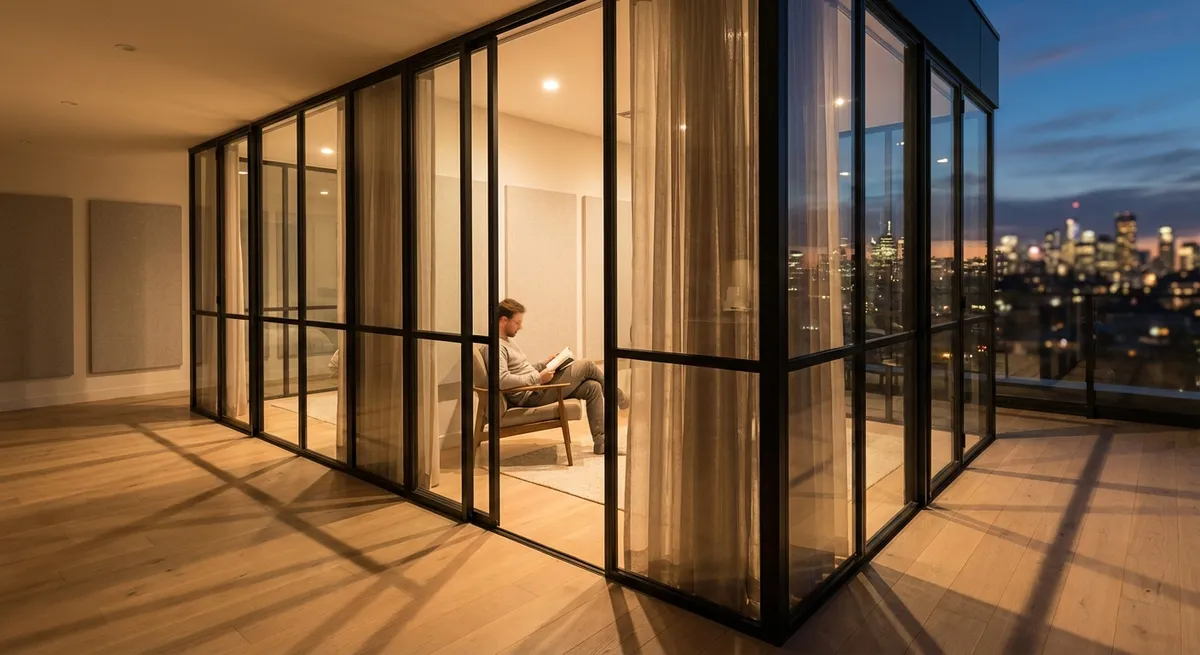
Fixed and picture windows often allow for slimmer frames and mullions, maximizing glass area and minimizing visual interruption. Casements can also be designed with refined, narrow profiles, particularly in higher-end aluminum, fiberglass, or engineered-wood systems, offering a near-gallery-like framing of landscapes. In contrast, some sliding and double-hung windows rely on more substantial meeting rails and tracks, increasing visual density at eye level.
The nuance lies in balancing type with view hierarchy. For your most important vistas—perhaps a main living room or a bedroom overlooking water—choosing window types that support the thinnest, cleanest sightlines is a subtle luxury. Less critical elevations, such as side yards or secondary bedrooms, can accommodate slightly thicker profiles without compromise. The result is a home where the most meaningful views feel almost unframed, and every line of sight has been curated, not left to chance.
Exclusive Insight #5: Not All Window Types Age Gracefully in the Same Way
Longevity is often framed only in terms of material—vinyl, wood, aluminum, fiberglass—but the window type itself strongly influences how a unit ages, performs, and maintains its elegance.
Operable windows with complex mechanics, such as large sliders or oversized double-hung units, may require more regular adjustment over time, particularly in climates with dramatic thermal swings. Casements and awnings rely on hinges and crank mechanisms; higher-quality hardware and thoughtful sizing (avoiding excessively heavy sashes) become essential if you expect decades of smooth, precise operation.
Fixed windows, by contrast, have minimal moving parts and are often the most stable long-term performers—especially important in high-exposure locations. Tilt-and-turn designs can make deep cleaning far simpler, preserving the pristine clarity that premium homes expect, even several stories up.
Choosing types with an awareness of their aging profile—where complex operation is a benefit, and where quiet simplicity is wiser—helps ensure the house feels as composed and refined in year fifteen as it does on day one.
Pairing Window Types with Lifestyle, Not Just Floor Plans
The most successful window selections start with lived experience: how you entertain, how often you open windows, whether you travel frequently, and what hours you inhabit particular rooms.
If dawn is your favorite time, tall casements or tilt-and-turn units in an east-facing bedroom can create a ritual of fresh air and soft light. If you host often, wide fixed windows combined with a few strategically placed awning or casement units can keep a dining space comfortable without blast-from-AC discomfort. For lock-and-leave lifestyles, reduced reliance on large operable units and a focus on high-performance fixed glass can provide security and peace of mind without sacrificing elegance.
Thinking of window types as lifestyle companions—quiet collaborators rather than mere components—encourages more intentional choices. The result is a home where each room’s windows feel precisely appropriate to how you actually live there, not just how the plans were drafted.
Elevating the Conversation with Your Designer or Contractor
To translate these refined priorities into a successful project, the way you frame your brief matters. Instead of asking, “What’s standard for this room?” ask:
- Where can we prioritize fixed windows for better performance and cleaner sightlines?
- Which window types give us the most graceful, controllable ventilation in this space?
- How can we thin the frame profiles on our most important views?
- Are there locations where tilt-and-turn or high awning windows would improve both comfort and maintenance?
- How will these chosen types age in our specific climate and exposure?
These are the kinds of questions that distinguish a routine replacement from a tailored upgrade. They signal that you are not merely replacing windows—you are commissioning a more precise, more beautiful relationship between your home and its surroundings.
Conclusion
Choosing window types for a premium home is less about browsing a showroom wall and more about crafting a quiet, long-term performance: of light, air, view, and comfort. By intentionally balancing operable and fixed glass, considering how different types sculpt light and ventilation, giving careful weight to frame profiles, and anticipating how each type will age, you move beyond basic selection and into curation.
The five insights outlined here are rarely offered in a rushed sales conversation, yet they have outsized influence on daily living and long-term satisfaction. When window types are chosen with this level of refinement, your home does not simply have new windows—it acquires a more elegant way of seeing, breathing, and being.
Sources
- U.S. Department of Energy – Windows, Doors and Skylights - Overview of window types, energy performance considerations, and design guidance for efficient homes.
- Efficient Windows Collaborative – Window Selection - Detailed information on choosing window types, glazing, and frame options for different climates and performance goals.
- National Fenestration Rating Council (NFRC) - Explains energy performance labels (U-factor, SHGC, etc.) that vary among window types and configurations.
- U.S. Environmental Protection Agency – ENERGY STAR Windows - Describes performance criteria and benefits of high-efficiency windows across materials and operating types.
- Lawrence Berkeley National Laboratory – Windows & Daylighting - Research-based insights into how different window systems affect daylighting, comfort, and building performance.
Key Takeaway
The most important thing to remember from this article is that this information can change how you think about Window Types.