Windows are no longer mere apertures in a wall; they are architectural instruments that choreograph light, privacy, and atmosphere. For the discerning homeowner, the choice of window type is less about filling a gap and more about curating an experience—of space, of silence, of seasonal comfort. The right configuration does not call attention to itself; it quietly elevates everything around it.
Below, we explore how different window types can be orchestrated to serve a refined home, along with five exclusive insights that most specification guides overlook—but sophisticated homeowners should not.
Reading a Room: Matching Window Types to Architecture, Not Just Openings
Every room has a natural rhythm: a hierarchy of sightlines, circulation paths, and focal points. The most successful window upgrades start by reading that rhythm and pairing it with a window type that deepens, rather than disrupts, the architecture.
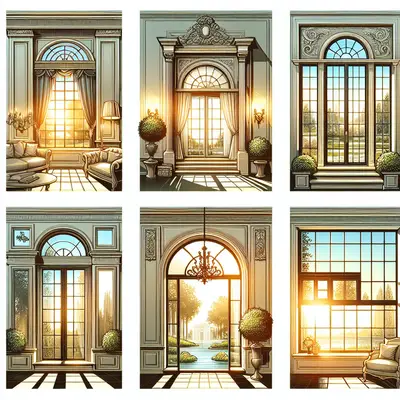
Fixed windows serve as pure frames for the outdoors, particularly when aligned with a singular view—a mature tree, an ocean horizon, a city skyline. In contrast, casement windows invite air with a gentle pivot, performing best in spaces where cross-breezes are part of the design brief. Awning windows, hinged at the top, feel particularly at home in bathrooms, kitchens, and beneath larger fixed panes, because they promote ventilation without sacrificing privacy or introducing heavy sightlines.
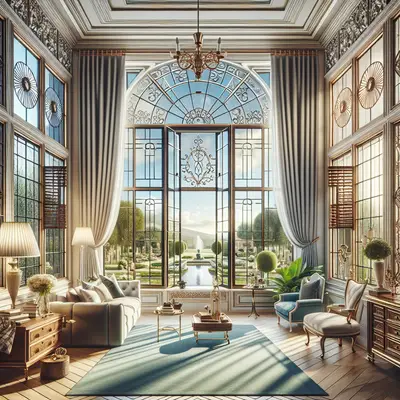
For spaces with strong vertical proportions—stairwells, double-height living rooms, gallery-like halls—tall, narrow window compositions can echo that stature. Meanwhile, sliding or lift-and-slide units complement long, linear architecture and modernist volumes, where horizontal extension is the story. A carefully considered mix of types across the home can create a sense of architectural narrative: each elevation, each façade, speaks in a consistent visual language.
The key is to treat window types as part of the architectural grammar, not as interchangeable catalog items. The most elegant results come when style, operation, and proportion feel inevitable—almost as if the house could never have been imagined any other way.
The Subtle Influence of Operation: How Windows Shape Daily Rituals
Window types are often chosen for aesthetics or energy performance, yet their most profound impact is often behavioral. How a window opens dictates how you move, where you pause, and how you occupy your home throughout the day.
Casement windows, operated by a handle rather than a lift or push, subtly shift the tactile experience of using the space. They are particularly suited to kitchens or reading nooks where seated operation is essential. Sliding windows and doors invite more dramatic gestures: large panels gliding open transform a room into a terrace, merging interior rituals—dining, entertaining, meditating—with the outdoors.
Tilt-turn windows, more common in European design, offer a dual personality: a secure tilt position for gentle ventilation, and a full inward swing for generous air and effortless cleaning. In refined bedrooms or upper-floor studies, this flexibility provides both composure and control: a whisper of fresh air on a winter evening, or a wide opening on a spring afternoon.
In this way, the selection of window types is also a curation of how you want to live. Each operation style—tilt, crank, slide, lift, pivot—does more than move glass; it choreographs your everyday patterns of comfort, interaction, and repose.
Five Exclusive Insights for Discerning Homeowners
1. Proportion Matters More Than Style Label
Most homeowners focus on whether a window is “casement” or “double-hung,” but proportion often has a more lasting impact on perceived quality. A cheaply made window with impeccable proportions can sometimes appear more expensive than a premium product installed in awkward dimensions.
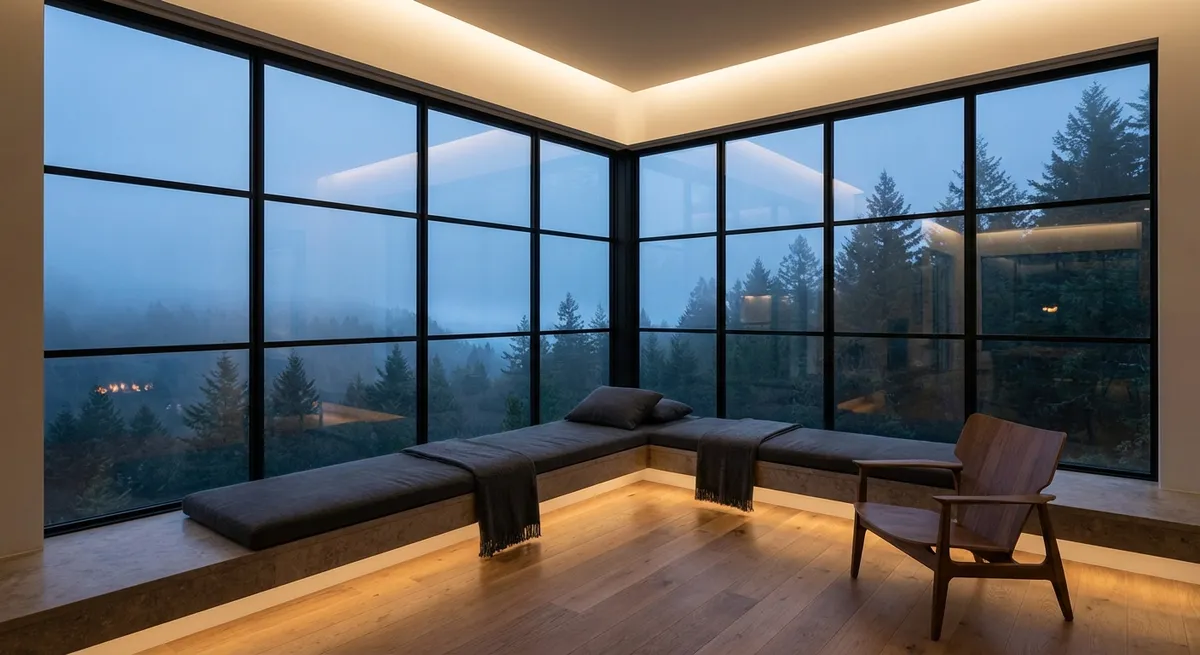
Slender, vertical casements—especially when mulled in pairs or triptychs—create an effect of tailored elegance in traditional or transitional homes. Wider, more horizontal sliders or large fixed units feel natural in minimal, contemporary architecture. Maintaining consistent sightline thickness (frame and sash dimensions) across different window types yields a cohesive, custom-crafted appearance, even when mixing operations within the same elevation.
Insight: When specifying window types, evaluate sample elevations rather than isolated units. Ask your window provider to present elevation drawings that show how frame widths and overall proportions relate from room to room.
2. Hidden Hardware Is the New Luxury
While glass and frames receive the most attention, hardware is where a window quietly reveals its tier. Exposed hinges, bulky locks, and visible fasteners can visually downgrade an otherwise sophisticated façade. Modern premium lines offer concealed hinges, minimalist levers, and flush, color-matched locks that disappear into the frame.
On large sliding or lift-and-slide units, high-performance hardware determines whether a sizeable panel feels weightless or cumbersome. Homeowners often underestimate how often they will interact with these pieces. A gracefully damped closing action or a precisely engineered latch elevates daily use in a way that is both subtle and indelible.
Insight: When comparing window types, physically test full-size showroom units. Evaluate hardware feel—resistance, sound, and tactile finish. In refined homes, silent, smooth operation is as important as thermal performance.
3. Ventilation Design Is as Critical as Glass Selection
Many window upgrade decisions focus on glazing packages—low-E coatings, gas fills, and U-values—while overlooking a fundamental question: Where will fresh air actually enter? Not all window types ventilate equally, and their placement matters.
Casements, when opened against prevailing winds, can act like sails, gathering air more effectively than double-hung windows with partially open sashes. Awning windows perform exceptionally in light rain, preserving airflow where sliders or single-hungs would remain shut. Tilt-turn windows extend this control, enabling secure night ventilation in bedrooms without fully opening the unit.
Insight: Instead of simply “sprinkling” operable windows around the home, work with your designer or consultant to map a ventilation strategy. Identify which rooms will rely on natural air and pair them with window types engineered for airflow, not merely view.
4. Frame Material and Type Must Be Selected Together
Choice of window type is inseparable from the frame material: wood, aluminum, fiberglass, clad hybrids, or high-end vinyl. Not every material performs equally well in every configuration, especially for large or heavily operable units.
Slim, thermally broken aluminum excels in expansive fixed or sliding systems where minimal sightlines and structural rigidity are paramount. Wood or wood-clad frames provide warmth and detail in traditional or transitional homes, where double-hung or classic casement styles are part of the architectural language. Fiberglass offers stability for large casements or tilt-turns in demanding climates, where dimensional stability over time matters as much as appearance.
Insight: Instead of deciding on “wood vs. aluminum” first, begin by defining your priority window types and sizes. Then ask which materials maintain structural integrity and aesthetic finesse for those exact configurations—especially for oversized or frequently used units.
5. Layered Configurations Create a Tailored Experience
Sophisticated homes rarely rely on a single window type; instead, they orchestrate layered compositions. A large fixed picture window may be paired with flanking casements, creating a cinematic view with built-in ventilation. A clerestory band of narrow awnings above eye level can wash a room with sky light while preserving privacy at street level.
In bedrooms, a combination of tall tilt-turns and smaller, higher awning units can deliver flexible ventilation patterns across the year. In living spaces, stacking sliding doors with adjacent fixed panels can visually widen the room, balancing operational needs with pure framing of the outdoors.
Insight: Think in ensembles, not individual units. Ask your designer or window consultant to propose compositions that treat each wall as a curated elevation—mixing fixed, operable, and specialty shapes to create both functional and aesthetic depth.
Beyond the Label: Curating a Signature Window Palette
Choosing window types for a refined home is not about chasing trends or defaulting to what the builder suggests. It is about deciding how you want to experience light, air, and view—and then selecting the mechanisms, proportions, and materials that deliver that experience with quiet confidence.
By attending to proportion, hardware, ventilation intent, material compatibility, and layered compositions, you effectively curate a “window palette” unique to your home. The result is not a random assortment of casements, sliders, and fixed panes, but a coherent, architected expression—one that feels as tailored as fine millwork and as considered as a bespoke lighting plan.
When windows are chosen with this level of intention, they cease to be background elements. They become the silent collaborators that make every room feel precisely, and effortlessly, as it was meant to be.
Sources
- U.S. Department of Energy – Efficient Windows - Overview of window types, performance considerations, and energy-related factors
- Efficient Windows Collaborative – Window Selection Guidance - Detailed information on choosing window types, glazing, and frame materials for different climates
- Federal Trade Commission – Shopping for New Windows - Consumer-focused guidance on evaluating quality, performance labels, and product claims
- Lawrence Berkeley National Laboratory – Windows & Daylighting - Research-based insights on window technology, performance, and design implications
- American Institute of Architects (AIA) – Residential Window Design Considerations - Professional perspective on how window selection intersects with architecture, comfort, and performance
Key Takeaway
The most important thing to remember from this article is that this information can change how you think about Window Types.