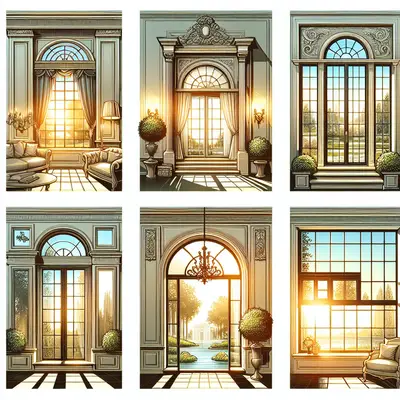
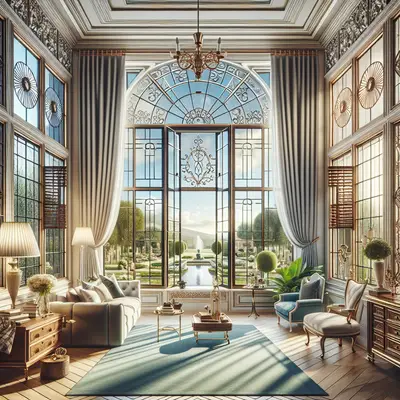
The windows you choose do far more than fill an opening in a wall. They choreograph light, orchestrate ventilation, and quietly signal the caliber of the home itself. For discerning homeowners, window selection is not a matter of “style versus budget,” but of aligning architecture, performance, and daily experience into a coherent, elevated whole. This is where window types become a language—each form speaking differently to how you live, entertain, relax, and move through your rooms.
Below, we explore major window types through a refined lens, then share five exclusive insights that sophisticated homeowners consistently leverage to turn an ordinary upgrade into a deeply considered investment.
Understanding the Architectural Personalities of Window Types
Before discussing specific advantages, it helps to view window types as distinct architectural personalities rather than mere shapes.
Casement windows—hinged at the side and operated with a crank or lever—offer a clean, modern expression, with minimal sightlines and excellent sealing when closed. Their ability to “scoop” breezes makes them particularly appealing in temperate climates or where cross-ventilation is a priority. They also excel in tighter wall compositions where vertical emphasis and uninterrupted glass are essential.
Double-hung windows, with two operable sashes sliding vertically, carry a quiet sense of tradition and proportion. Their balanced look suits historic or transitional architecture and allows subtle control of air movement by opening both the top and bottom sashes. For homes on pedestrian streets or with front-facing façades, double-hungs offer a classic, composed rhythm that many architectural review boards favor.
Sliding windows deliver a horizontal gesture that reads as effortless and informal, yet can be refined when paired with slim, high-quality frames. They are especially suitable where outward projection is problematic—over decks, walkways, or in dense urban contexts. When specified with premium hardware and advanced glazings, sliding units can feel as deliberate and luxurious as more traditional forms.
Awning windows, hinged at the top and opening outward, create a subtle architectural nuance—ideal above eye level, combined in groups, or tucked beneath larger fixed panes. Their ability to remain open during light rain, together with their compact swing, makes them a favored choice in spa-like baths, bedrooms, and protected outdoor rooms.
Fixed or picture windows provide the purest expression of glass as an architectural element. They do not ventilate, but in premium applications, they frame views like artwork, extend sightlines, and anchor compositions of operable units. When grouped thoughtfully, fixed windows can create dramatic, gallery-quality expanses without feeling commercial.
Specialty forms—arched, circular, floor-to-ceiling, or multi-panel configurations—serve as punctuation marks in a refined design language. Used sparingly and with intent, they distinguish a home without resorting to visual noise, allowing the architecture itself to remain calm and assured.
How Window Types Shape Light, Privacy, and Atmosphere
The right mix of window types quietly calibrates the mood of each space across the day and seasons.
In public rooms—living areas, dining spaces, and kitchens—large fixed windows combined with carefully placed casements or awnings can create luminous interiors with strategic, invisible ventilation. The fixed panes do the visual work, drawing the outdoors in, while the operable units provide comfort control without cluttering the view with excess framing.
In private zones—bedrooms, studies, and dressing areas—double-hung or casement windows placed at considered sill heights can manage privacy without sacrificing daylight. For instance, slightly higher sills paired with taller casements preserve intimacy while maintaining that coveted feeling of “borrowed landscape.” Awning windows positioned higher on the wall can introduce daylight and fresh air into baths and closets, keeping surfaces and textiles fresher over time.
Window types also influence the room’s perceived height and width. Vertical forms like casements or tall double-hungs elongate walls and can make compact rooms feel more stately. Wider sliding or ribbon-style windows emphasize horizontality and can visually widen spaces, especially in lower-ceilinged rooms or mid-century inspired architecture.
A sophisticated approach often combines types within a single elevation: a central fixed panel flanked by casements, a sequence of double-hungs interrupted by a single accent awning above eye level, or a series of narrow fixed panes complemented by operable awnings at the bottom. Each composition is deliberate—balancing view, light, ventilation, and privacy to curate exactly how the room feels at different moments of the day.
Five Exclusive Insights for Homeowners Elevating Their Window Strategy
The following insights frequently distinguish high-caliber window projects from merely adequate upgrades. Each moves beyond surface aesthetics into how a home functions and ages with grace.
1. Use Window Types to “Program” Air, Not Just Let It In
Most homeowners think of ventilation as binary—windows open or closed. Sophisticated projects treat different window types as tools to program air movement with far more nuance.
- Casement windows placed perpendicular to prevailing winds can “catch” breezes and accelerate airflow through the home.
- Awning windows, especially high on the wall, can be used for thermal “exhaust,” allowing warm air to escape while maintaining privacy.
- Double-hungs provide vertical zoning: opening only the top sash in a child’s bedroom, for instance, maintains safety while enhancing comfort.
By mapping wind patterns, sun exposure, and usage patterns room by room, you can strategically assign window types to create natural cooling, reduce reliance on mechanical systems, and cultivate fresher-feeling interiors—particularly valuable in homes with high ceilings or large volumes of glass.
2. Quiet Luxury Lives in Sightlines and Frame Profiles
At a glance, two windows may appear similar; in person, the difference between standard and elevated solutions often lies in subtle frame decisions.
Premium casements and fixed windows can offer impressively slim frames and mullions, expanding the perceived view without changing the opening size. This more generous glass-to-frame ratio not only feels more refined but can also bring in additional daylight—critical on shaded lots or in urban sites with limited sky exposure.
Consider:
- Choosing window types that allow for continuous head heights across different rooms for a more composed façade.
- Aligning mullions and sash rails with interior architectural elements—stair treads, cabinetry lines, or picture rails—to create an unbroken visual narrative.
- Favoring types with fewer required muntins (the bars dividing panes) where uninterrupted views are prized, and reserving gridded configurations for special, intentional moments.
These micro-decisions collectively read as quiet luxury: nothing shouts, but everything feels unusually resolved.
3. Match Window Operation to the Room’s Furnishing Logic
Window types that look beautiful on paper can become frustrating if they conflict with how a space is furnished and used.
- In kitchens, casements and awnings above counters are generally more practical than double-hungs, which require two-handed operation and can be harder to maneuver over deep worktops.
- In living rooms where large furniture may sit beneath windows, higher-silled casements or fixed windows prevent visual clutter and reduce the risk of furniture obstructing operation.
- In narrow balconies or tight side yards, sliding windows preserve valuable circulation space where casements or awnings might interfere with movement.
By planning furnishings and traffic patterns alongside window selection, you can assign each room the ideal operation type: effortless to reach, intuitive to use, and unlikely to be blocked. This synergy between window type and lifestyle is one of the hallmarks of a truly considered home.
4. Integrate Specialty Shapes Sparingly but Strategically
Arched, circular, or unusually proportioned windows can easily tip into excess when overused. However, when placed with restraint, they anchor focal points and elevate key moments in the home.
Consider reserving distinctive shapes for:
- Stairwells that deserve a sculptural wash of light.
- End walls of long corridors, where a shaped window creates a destination rather than a dead end.
- High gables or attic conversions where a single arched or round window introduces charm and daylight without inviting unwanted views.
The key is to pair these special shapes with a quieter, consistent “background language” of casements, double-hungs, or sliders. This keeps the home from feeling visually chaotic while still delivering memorable design gestures that feel bespoke rather than off-the-shelf.
5. Specify Window Types with Future Adaptability in Mind
High-end homes are lived in for decades, often across multiple phases of life. The most successful window strategies anticipate changing needs and technologies.
Thoughtful choices can include:
- Using double-hung or tilt-and-turn windows in upper stories to allow safe, interior cleaning—vital as you or future owners age.
- Ensuring that critical openings (bedrooms, key living spaces) use common, widely available operation types from reputable manufacturers, simplifying future hardware upgrades or glass replacements.
- Choosing window types that can easily integrate with shading solutions—motorized shades, exterior screens, or integrated blinds—without compromising operation or seals.
This forward-thinking approach transforms your window upgrade from a static snapshot of current taste into an adaptable framework that can gracefully absorb future improvements in glazing, privacy technology, and home automation.
Conclusion
For homeowners with elevated standards, window selection is far more than a matter of “modern versus traditional” or “white versus black frames.” It is a strategic exercise in aligning window types with architecture, climate, furnishings, and long-term living patterns.
Casements, double-hungs, sliders, awnings, fixed panes, and specialty shapes each bring distinct strengths. When orchestrated with intention—tuning air movement, refining sightlines, respecting furnishings, punctuating architecture, and anticipating the future—they transform the home from simply well-built to quietly exceptional.
Approached in this way, upgrading windows becomes less about replacing glass and more about reimagining how your home frames every day: the way light enters at dawn, how breezes move in the evening, and how every view, from kitchen sink to bedroom retreat, feels just a bit more curated than you thought possible.
Sources
- U.S. Department of Energy – Window Types and Technologies - Overview of common residential window types and their performance implications
- Efficient Windows Collaborative – Window Selection Guidance - Detailed discussion of choosing appropriate window styles based on climate and design goals
- Forest Stewardship Council (FSC) – Benefits of Certified Wood Products - Context on responsibly sourced wood frames for high-end window installations
- National Association of Home Builders – Windows and Doors Design Trends - Industry insights into evolving preferences in window styles and configurations
- Whole Building Design Guide (WBDG) – Fenestration Design Considerations - Professional-level guidance on integrating window types into overall building envelope design
Key Takeaway
The most important thing to remember from this article is that this information can change how you think about Window Types.