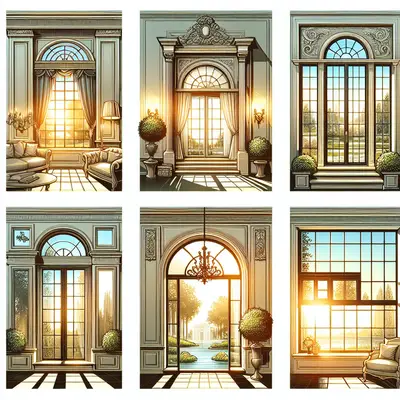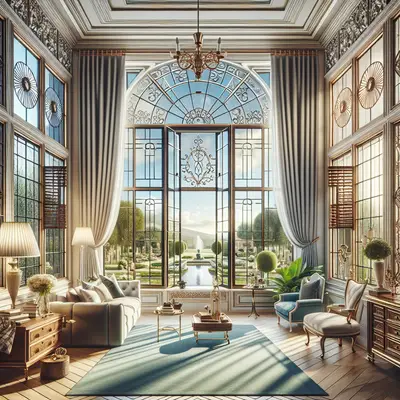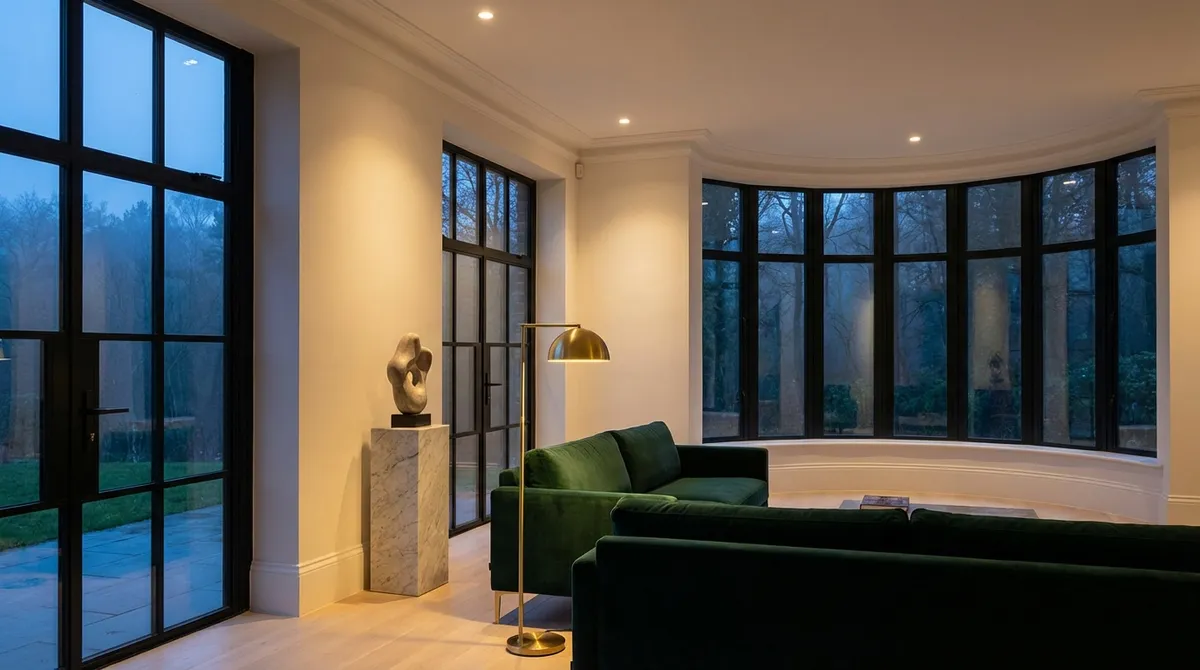
Windows are more than apertures in a wall; they are curated frames for light, proportion, and atmosphere. For discerning homeowners, the choice of window type shapes not only energy performance and comfort, but also how a room feels at dawn, at dusk, and in the quiet hours in between. Thoughtful selection transforms glazing from a basic necessity into a signature design element—one that telegraphs taste, planning, and long‑term intelligence.
Below, we explore key window types through a refined lens and distill five exclusive insights that elevate your upgrade from a simple replacement to a considered architectural decision.
Understanding Window Types as Architectural Instruments
Traditional classifications—casement, double-hung, sliding, awning, picture, bay and bow—only hint at what these windows actually do for a space. Each type orchestrates light, ventilation, and sightlines differently, which is why the most successful upgrades start with function and ambiance, not catalog labels.
Casement windows, with their side-hinged, outward-swinging sashes, excel at “scooping” breezes into a room and sealing tightly when closed. Double-hung windows maintain a classic profile while enabling flexible ventilation—from the top sash, bottom sash, or both. Sliding windows introduce a horizontal rhythm, particularly effective along terraces and low-slung modern elevations.
Fixed picture windows, especially when paired with operable flanking units, become luminous backdrops that wash interiors in daylight. Meanwhile, bay and bow configurations project beyond the façade, creating intimate alcoves and offering layered views that change as you move through the room.
The critical shift is to evaluate window types as instruments—each with a distinct performance in light, air, and visual drama—rather than as interchangeable units defined solely by their price tag.
Exclusive Insight #1: Align Window Operation with Microclimate, Not Just Style
Most homeowners choose a window type because “it suits the house style.” A more elevated approach begins with the subtleties of your microclimate—how wind, sun, and shade behave around your specific property.
In breezy coastal or hillside locations, casements placed perpendicular to prevailing winds can dramatically enhance natural ventilation, making spaces feel fresher with less reliance on mechanical cooling. In quieter, sheltered urban courtyards, awning windows high on the wall can remain open during light rain, maintaining air exchange without sacrificing comfort.
In hotter regions with strong solar gain, smaller operable windows combined with larger fixed glazing may be more efficient. This approach allows you to position ventilation precisely while limiting the more thermally vulnerable operable frames. In cold or mixed climates, tilt‑turn or modern casement systems can provide secure micro‑venting on a tilted setting while achieving an exceptionally tight seal when fully closed.
By matching window operation type to the specific wind patterns and comfort goals of each façade—north, south, east, and west—you create a quiet synergy between architecture and environment that feels effortlessly tailored.
Exclusive Insight #2: Use Mixed Window Typologies to Sculpt Interior Experience
There is a tendency to default to one window type throughout a home for “consistency.” Refined interiors, however, often achieve their most luxurious moments through strategic variation within a coherent design language.
In formal living or dining rooms, a composition of a generous fixed picture window flanked by narrower operable casements can establish a sense of grandeur while preserving cross-ventilation. In bedrooms, pairing a larger fixed panel with a smaller, carefully placed operable awning at bed height or above headboards can offer privacy and fresh air without drafting directly over the sleeping area.
Hallways and stairwells benefit from slim vertical casements or tilt‑turns that can be cracked open safely while providing elongated shafts of light that visually stretch the space. Bathrooms, meanwhile, often achieve a spa-like character with high awning windows or narrow frosted casements that bathe the room in soft light while keeping views selectively obscured.
The sophistication lies not in uniform repetition but in a curated mix—each window type chosen to enhance the use and mood of its specific room, while frame profiles, finishes, and grille patterns unify the overall composition.
Exclusive Insight #3: Choose Window Types That Respect Your Cleaning Rituals
Luxury is not only how a window looks from across the room, but how it behaves when you live with it day after day. A frequently overlooked differentiator between window types is how gracefully they can be cleaned—inside and out—given your home’s architecture and your maintenance preferences.
In multi-story homes, double-hung windows with tilt-in sashes or tilt-turn units that open inward allow you to clean exterior glass safely from inside—especially valuable on upper floors where exterior access is challenging. Large fixed picture windows may appear low-maintenance, but if they are not paired with accessible exterior walkways or balconies, they can become inconvenient to service.
On wide façades, sliding windows minimize the number of moving parts and tracks but can concentrate dirt in the lower rail. In climates with frequent dust or pollen, casement and awning windows—hinged rather than tracked—often remain cleaner at the sill and can be wiped down with minimal effort.
Selecting window types with an eye toward your realistic cleaning rituals—how often, by whom, and with what access—ensures that your glazing maintains its clarity and refinement long after installation day.
Exclusive Insight #4: Let Window Form Anticipate Furniture and Daily Patterns
Elegant window upgrades are planned in concert with furniture layouts and circulation, not in isolation from them. A window type that appears beautiful on a plan can quickly feel impractical once a bed, sofa, or dining table is placed nearby.
In seating areas, tall operable casements or tilt‑turns might open inward into valuable lounge space, colliding with side tables or armchairs. Here, an outward-opening casement or a combination of fixed lower panels with operable upper awnings can preserve both usability and comfort. Above kitchen counters, smaller awning or sliding windows are often easier to operate than deep-reaching casements, especially when sinks or appliances stand between you and the sash.
For bedrooms with low headboards placed under windows, higher sill heights combined with horizontally oriented sliding or tilt‑turn windows can maintain view and ventilation without obstructing furniture placement. In home offices, narrow vertical windows—fixed or operable—between storage or shelving elements can introduce daylight while leaving generous wall area for cabinetry and screens.
By anticipating where you will sit, cook, work, and sleep, you can select window types that frame these rituals gracefully, supporting daily life instead of competing with it.
Exclusive Insight #5: Elevate Performance by Pairing Type with Advanced Glazing
Performance is often discussed in terms of glass specification—low‑E coatings, insulated glass units, gas fills—but the window type itself influences how effectively these technologies perform in situ. The most refined solutions balance both.
Fixed picture windows, for example, can achieve exceptionally low air leakage because they do not open, making them ideal candidates for high‑performance triple glazing in view-heavy spaces. Their simplicity supports thinner frames or more thermally optimized profiles, amplifying the impact of advanced glass.
Casements and tilt‑turn windows, which compress against continuous weatherstripping when closed, typically achieve better air-tightness than older double-hung or basic sliding designs. When paired with high-quality insulated glass and warm-edge spacers, they can significantly elevate thermal comfort and reduce drafts, particularly in wind-exposed locations.
In sun-exposed rooms, operable types such as awnings high on the wall can work in tandem with solar control glazing to flush out accumulated heat in the evening while limiting solar gain during the day. Conversely, in colder climates, operable windows on sun-facing façades, combined with low-E glass optimized for passive solar gain, can help capture winter warmth without sacrificing energy performance.
The most successful upgrades treat window type and glazing as a single integrated system—form and technology calibrated together to create a quieter, more stable interior climate.
Conclusion
Selecting window types for a premium residence is less about choosing from a catalog and more about composing a nuanced dialogue between light, climate, architecture, and daily life. When you align operation with microclimate, mix typologies with intention, respect maintenance realities, anticipate furniture and movement, and pair each form with the right high-performance glazing, your windows stop being a background element and become a defining feature of your home’s character.
A refined window upgrade is not loudly luxurious; it is quietly exacting. The result is a home that feels intuitively comfortable, visually balanced, and unmistakably considered—morning after morning, season after season.
Sources
- U.S. Department of Energy – Types of Windows – Overview of common residential window types and their functional characteristics
- Efficient Windows Collaborative – Window Selection Guidance – Technical guidance on matching window designs and glazing to climate and performance goals
- Whole Building Design Guide (NIBS) – Windows and Glazing – In-depth look at the role of windows in building performance and envelope design
- Lawrence Berkeley National Laboratory – Residential Windows – Research-based insights on energy performance, comfort, and design considerations for residential windows
Key Takeaway
The most important thing to remember from this article is that this information can change how you think about Window Types.