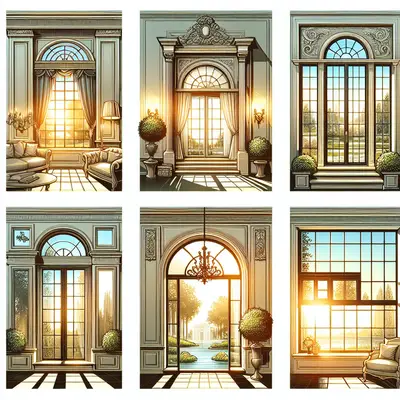
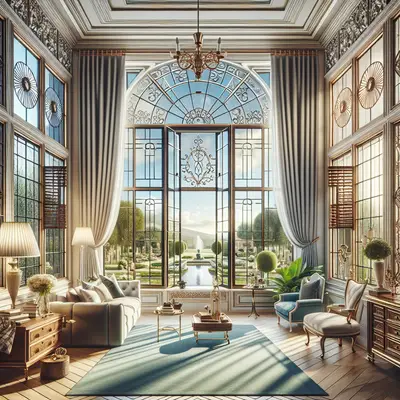
Windows are no longer mere apertures in a wall; they are architectural instruments that choreograph light, frame landscape, manage climate, and articulate taste. For the design-conscious homeowner, the decision is not simply “which window,” but “which experience” each window will deliver.
Understanding window types through a refined lens allows you to specify openings that feel intentional, intelligent, and quietly luxurious—today and decades from now.
Reading the Architecture: Selecting Window Types by Architectural Intent
Before comparing styles on a showroom floor, it is worth pausing to ask what your home’s architecture is already saying. Each window type carries an inherent visual language, and aligning that language with your building’s character is the foundation of a sophisticated upgrade.
Casement windows, with their clean vertical lines and uninterrupted glass, feel inherently modern and European, especially in slim-framed aluminum or fiberglass. Double-hung windows lean traditional, referencing historic townhouses and pre-war apartments with their balanced proportions and subtle grid patterns. Large fixed picture windows speak the language of gallery spaces and mid-century modern design, where the landscape becomes “the artwork.”
In more transitional homes, pairing types can create a composed yet layered effect—for example, using casements for primary views and double-hungs on street façades to echo neighborhood context. The most refined projects begin with elevation drawings: mapping where each type will sit, how mullions align across floors, and how sightlines correspond with key interior viewpoints. This approach turns window selection into an architectural dialogue instead of a catalog exercise.
Performance as Luxury: How Window Types Shape Comfort and Atmosphere
True luxury is less about spectacle and more about how a space feels across seasons and years. Different window types influence thermal comfort, acoustics, and even how air moves through the home.
Casement and awning windows, which compress weatherstripping as they close, can offer superior air sealing compared to traditional sliders, making them excellent candidates for energy-conscious upgrades. Their hinged operation also allows you to “scoop” breezes from particular directions, a quiet nod to passive design. Tilt-and-turn windows, popular in high-performance European projects, provide both secure ventilation (tilt mode) and wide, easy-clean openings (turn mode) in a single frame—an elegant fusion of versatility and restraint.
Fixed picture windows, although inoperable, often deliver the highest performance values with minimal frame and maximum glazing, particularly when paired with advanced low‑E coatings and gas fills. They are ideal in spaces reliant on mechanical ventilation, where the priority is thermal and acoustic insulation. By contrast, large sliders provide delightful indoor-outdoor transitions but demand greater rigor in specifying high-quality tracks, gaskets, and multi-point locking systems to maintain performance over time.
A discerning approach balances operable and fixed units: enough openings to breathe and live with the seasons, enough fixed glass to deliver silent, museum-like comfort where it matters most.
Light as a Material: Matching Window Types to the Quality of Daylight
For sophisticated homes, daylight is treated as a design material—shaped, filtered, and framed with the same care as stone or wood. Each window type modifies light in subtle but consequential ways.
Tall, narrow casements draw light in vertical ribbons, flattering stairwells, galleries, and reading corners. Wide sliders and large-format tilt-and-turn units spread light laterally, ideal for main living areas where you want an even, generous wash of daylight across surfaces and furnishings. Clerestory windows, often fixed, float high on the wall to introduce soft upper light that reduces glare while washing ceilings in a gentle glow.
Even grid patterns matter: finely scaled muntins on double-hungs can break light into smaller, more nuanced segments—evoking historic charm—while frameless or minimal-framed fixed windows maintain an unobstructed, gallery-like clarity. In north-facing rooms, larger fixed windows can invite abundant diffuse light without harsh heat gain. On strong western exposures, pairing operable awnings under fixed clerestory units allows you to welcome evening breezes while shading direct glare with canopies or extended overhangs.
The most considered window upgrades treat orientation, window type, and glazing as a single composition, crafting rooms that feel artfully lit at 8 a.m., 2 p.m., and dusk alike.
Five Exclusive Insights for Homeowners Seeking Elevated Window Solutions
For homeowners operating at a higher standard of detail, these five insights can quietly transform a window project from “upgrade” to “architectural refinement.”
Use Window Types to Script Privacy—Not Just Add Shades
Instead of relying solely on blinds or drapery, employ different window types to choreograph privacy. High-set awning or clerestory windows in bathrooms and urban-facing zones maintain daylight and sky views while preserving discretion. Fixed windows with satin-etched or patterned glass can create luminous privacy walls, particularly in stair cores and side yards, lending an almost spa-like quality without visible window treatments.
Specify Operation for How You Actually Live, Not Just How Rooms Are Labeled
A “bedroom” might be an office for the next decade; a “dining room” could function as a library. Consider how windows will be used: Will you want frequent micro-ventilation at night (tilt-and-turn)? Easy reach from a deep farmhouse sink (casement)? Hands-free ventilation under a light drizzle (awnings)? Matching window types to behavior, not just room names, delivers lasting satisfaction as your life and layout evolve.
Align Window Types with Cleaning and Maintenance Realities
On upper floors and tight side yards, inward-opening or tilt-and-turn windows can eliminate the need for exterior ladders, especially in climates with frequent pollen, salt spray, or urban dust. Large fixed picture windows reduce hardware wear and moving parts, particularly in high-ceiling spaces. A thoughtful blend of easy-clean operable units with low-maintenance fixed units can keep the home pristine with minimal visible effort.
Use Mixed Window Typologies to Create Subtle Hierarchies of Space
Not every room needs the same level of drama. Reserving large-format sliders, expansive picture windows, or oversized casements for primary spaces—living rooms, owner suites, key dining zones—creates a quiet hierarchy that feels unmistakably bespoke. Secondary areas can be articulated with more modest double-hungs or smaller awnings, maintaining coherence while allowing certain rooms to feel deliberately “elevated.”
Consider Soundscaping as Seriously as Insulation
In dense neighborhoods or near traffic, the choice of window type and configuration can reshape acoustic comfort. Fixed units, by their very nature, offer excellent sound control when paired with laminated or thicker insulated glass. Combining fixed windows on the noisiest elevations with limited, carefully sealed operable units—such as side-hinged casements with premium compression gaskets—creates spaces that feel hushed and retreat-like, even in lively urban contexts.
Materials, Frames, and the Subtle Art of Proportion
The most refined window compositions emerge where type, material, and proportion are considered together rather than as separate checkboxes. A slender aluminum or fiberglass casement reads entirely differently than a chunky vinyl double-hung, even at the same overall size.
In more contemporary homes, large fixed windows and sliders in thermally broken aluminum or high-performance fiberglass can achieve extremely slim sightlines, letting the view, not the frame, dominate. In traditional or transitional architecture, wood or wood-clad frames paired with double-hung and casement types can maintain warmth and historical resonance while discreetly integrating modern performance glazing.
Proportion is equally insistent. Vertical casements in rhythms of two or three can echo classic French doors, while wide sliders carefully aligned with ceiling heights can produce the coveted “wall of glass” without feeling overbearing. The most successful designs echo a consistent logic: mullions that align with interior reveals, transoms that match door heights, and sill heights that support furniture placement and comfortable seated views.
Selecting window types within this framework becomes less about isolated preferences and more about reinforcing a coherent, tailored visual language across the entire property.
Conclusion
A truly elevated window upgrade is never accidental. It arises from precise alignment between window type, architecture, performance, and the particular way you choose to live in your home. When thoughtfully specified, casements, awnings, double-hungs, sliders, tilt‑and‑turns, and fixed picture windows become instruments of comfort and character—sculpting light, air, sound, and view with quiet authority.
By reading your architecture carefully, prioritizing performance as a form of luxury, and applying a few highly specific insights around privacy, maintenance, hierarchy, and acoustics, you move beyond “new windows” into a more considered realm: curated openings that feel inevitable, enduring, and impeccably composed.
Sources
- U.S. Department of Energy – Types of Windows – Technical overview of common residential window types and their performance considerations.
- Efficient Windows Collaborative – Window Types – Detailed breakdown of window operating styles and how they affect energy efficiency and comfort.
- FGIA (Fenestration & Glazing Industry Alliance) – Primary Window Types – Industry-level descriptions of primary window categories and their functional characteristics.
- Building America Solutions Center – High-Performance Windows – Guidance on specifying windows for advanced comfort and energy performance in homes.
- Architectural Digest – How to Choose the Best Windows for Your Home – Design-oriented perspective on selecting window styles in alignment with architecture and lifestyle.
Key Takeaway
The most important thing to remember from this article is that this information can change how you think about Window Types.