Windows are not merely openings; they are architectural sentences that punctuate a home’s design narrative. The right window type refines daylight, choreographs sightlines, and quietly elevates comfort. For the discerning homeowner, selecting windows is less a utilitarian purchase and more a curatorial decision—one that blends performance, aesthetics, and longevity into a single, coherent statement.
This guide explores how to navigate window types with intent, and offers five exclusive insights that sophisticated homeowners use to transform a necessary upgrade into a genuinely elevated design choice.
Reading the Room: Matching Window Types to Architectural Character
Before comparing product lines or glass packages, it is essential to read the existing architecture of your home with care. Each window type—casement, awning, double-hung, slider, fixed, tilt-turn, or specialty shapes—communicates differently with the façade and interior volumes.
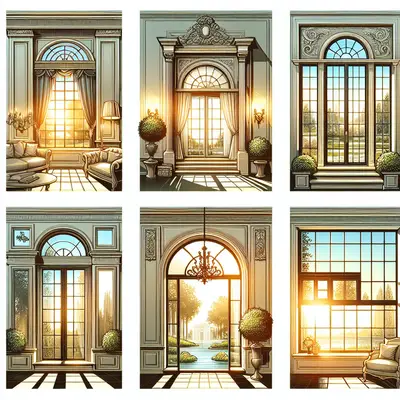
In homes with classical or traditional language, double-hung or vertically oriented windows tend to preserve the visual rhythm of mullions and sashes. Their proportion echoes historic townhouses and pre-war residences, offering a familiar cadence to the exterior. Contemporary or minimalist homes, by contrast, often favor large fixed panes paired with slender casements, emphasizing uninterrupted glass and razor-thin profiles that dissolve the boundary between indoors and out. Mediterranean or coastal properties may lean toward arched or eyebrow windows, paired with operable casements or awnings for cross-ventilation.
Thoughtful alignment matters as much as the window type itself. A fixed picture window can be sublime when centered on a view axis, while a tilt-turn unit shines in secondary spaces, balancing ventilation with security. Rather than defaulting to a single type throughout, a sophisticated approach treats each elevation and room as a vignette—selecting the window form that best aligns with both the architectural story and the way the space is actually used.
Performance as Craft: Understanding Function Behind the Form
Beyond aesthetics, each window type has inherent performance characteristics that influence comfort, maintenance, and versatility. Casement windows, hinged at the side, close tightly against their frames and are often among the most energy-efficient operable options when properly specified and installed. Awning windows, hinged at the top, can remain slightly open during light rain, making them ideal for bathrooms or covered outdoor transitions.
Double-hung windows offer a familiar look and flexible ventilation—particularly valuable in older homes where upper-sash venting can help exhaust warm air. Tilt-turn windows elevate functionality even further: a European favorite, they swing inward for full opening or tilt at the top for gentle, secure ventilation. Fixed windows, though inoperable, deliver the purest possible sightlines and the highest thermal performance per square foot of glass, making them a compelling choice in spaces where ventilation can be managed by adjacent operable units.
A refined specification rarely relies on one type alone. It blends fixed windows for thermal performance and view, strategically placed casements or tilt-turns for robust sealing and targeted airflow, and accent shapes where the architecture calls for a gesture of drama or softness. The art lies in allowing function and form to reinforce one another rather than compete.
Material Matters: Profiles, Proportions, and Tactile Luxury
The material framing your glass has an outsized influence on both the visual language and the long-term experience of your windows. Each option—wood, aluminum-clad wood, fiberglass, aluminum, or high-end composite—carries distinct advantages that go well beyond marketing labels.
Wood remains unmatched for warmth and craftsmanship, especially where interior millwork is a central design feature. In premium executions, aluminum-clad wood windows offer the best of both worlds: a richly finished interior frame with a durable, low-maintenance exterior shell. Fiberglass, dimensionally stable and highly resistant to warping, is ideal for demanding climates and can convincingly mimic painted wood without the same vulnerability to moisture. Architectural-grade aluminum, with its slender sightlines and structural strength, excels in large-format openings and modernist compositions, though it must be paired with thermally broken frames and advanced glazing to achieve superior energy performance.
The refined homeowner pays attention not only to the material but to the scale and geometry of the profiles. The thickness of the sash, the depth of the jamb, the clarity of shadow lines—these subtle details separate a standard window from a genuinely elevated installation. Narrower profiles generally heighten the sense of openness, while more substantial frames can impart gravitas and echo existing trim. This is not a purely visual decision: deeper frames can also accommodate triple glazing or integrated shading, marrying aesthetics and performance in a single stroke.
Five Exclusive Insights for the Sophisticated Window Upgrade
Beyond the usual checklists of U-factor, solar heat gain coefficient, and material options, discerning homeowners consider a different layer of nuance. These five insights can help transform your selection from merely sensible to exceptional.
1. Curated Operability: Not Every Window Needs to Open
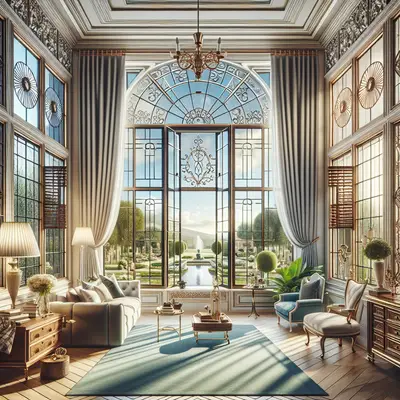
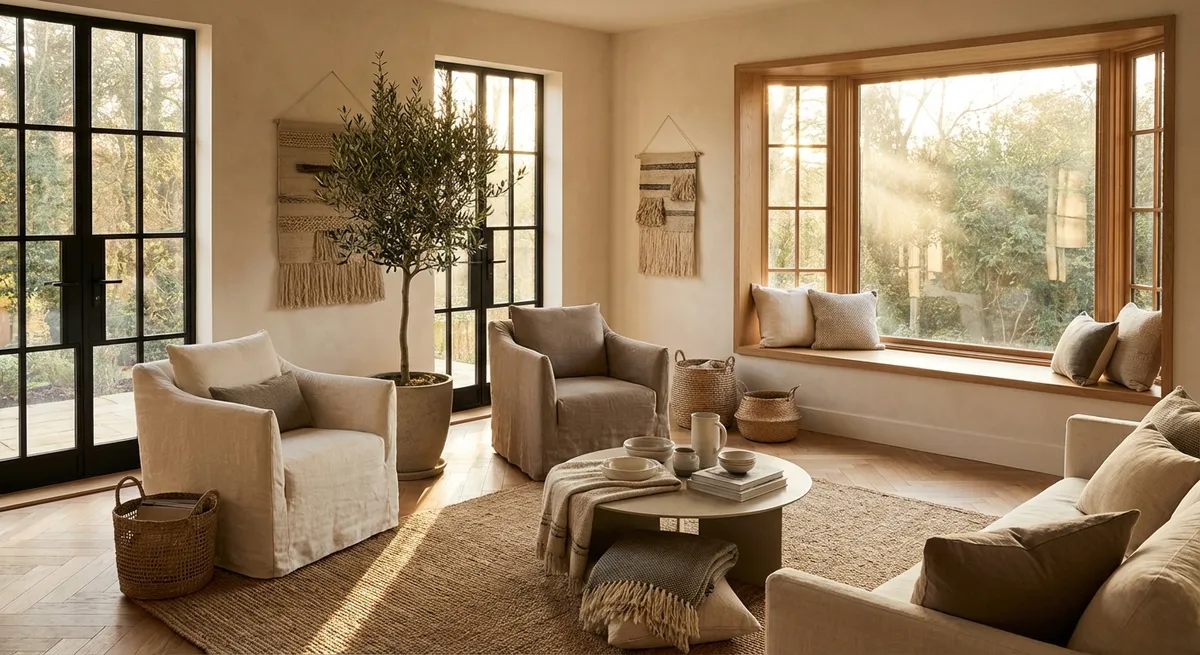
A subtle hallmark of high-end residential design is the intentional use of fixed glazing where operability is not essential. In a living room oriented toward a cinematic view, one or two carefully placed casements or tilt-turn windows can handle ventilation, while the primary expanse remains a fixed, uninterrupted plane of glass. This approach reduces hardware clutter, improves thermal performance, and heightens the sense of serenity.
By distinguishing between view windows and ventilation windows, you gain the freedom to prioritize clarity where it matters most and function where it is needed. The result is a façade and interior that feel both calmer and more considered.
2. Layered Light Control: Beyond Simple Blinds and Shades
Sophisticated window plans now treat light control as a layered system rather than an afterthought. Certain window types lend themselves to advanced solutions such as integrated blinds within the glass unit, concealed shade pockets in the jamb, or external shading systems that manage solar gain before it reaches the glass.
Tilt-turn and casement windows, which open inward or outward in a defined arc, often allow for more elegant integration of interior treatments without interfering with sash movement. Fixed windows can be paired with recessed ceiling pockets and hidden tracks, allowing motorized shades to disappear entirely when not in use. By considering how each window type interacts with shades or exterior louvers at the planning stage, you maintain a clean visual field while quietly mastering glare, privacy, and thermal comfort.
3. Acoustic Composition: Matching Window Types to Soundscapes
Noise management is often overlooked until after installation, yet it is one of the most tangible signatures of a refined home. Different window types interact with acoustic strategies in distinct ways. Fixed units, with no moving parts, typically form the tightest seal and are ideal candidates for laminated glass, which significantly softens traffic noise and urban clamor. Casement and tilt-turn windows, when high-quality hardware and gaskets are specified, can also achieve excellent acoustic performance.
For rooms where quiet is non-negotiable—primary suites, studies, nurseries—a combination of fixed and operable windows with carefully specified laminated or asymmetrical glass can create acoustic sanctuaries without sacrificing views. Matching window type, glass composition, and orientation to the neighborhood soundscape distinguishes a simply new window from a truly elevated one.
4. Microclimate Calibration: Typology by Orientation
Sophisticated design treats each façade of the home as its own microclimate. A south-facing elevation in a temperate climate will invite different window types and glazing strategies than an east-facing wall flooded with morning light or a north façade prone to cold winds.
Awning windows on a covered north-facing patio may maximize protected ventilation, while slim-profile casements on the south side, combined with exterior shading, can admit winter warmth and filter harsh summer sun. Fixed units with high-performance glazing on west-facing walls can moderate late-afternoon heat, supplemented by operable windows placed where airflow is most effective rather than merely symmetrical.
Rather than repeating the same type on all sides of the home, calibrate window typology to solar exposure, prevailing winds, and view hierarchies. This microclimate thinking results in a home that feels astonishingly comfortable with less reliance on mechanical systems.
5. Tactile Interaction: Hardware, Movement, and Daily Ritual
The manner in which a window opens, the feel of the handle in the hand, the smoothness of the hardware—these details shape daily rituals in ways that are difficult to quantify yet impossible to ignore. Tilt-turn windows, for example, offer an almost architectural sense of interaction: one deliberate turn of the lever transforms the opening from a gentle, secure tilt to a full, generous swing.
Premium casement hardware, crafted from solid metal with deliberate resistance, communicates quality every time the window is opened. Thoughtful placement of operable sashes—within natural arm’s reach, aligned with seating areas, or framing specific vignettes—turns ventilation into a tactile pleasure rather than a chore. Homeowners who prioritize this sensory dimension often find that these refined moments of interaction become some of the most cherished aspects of their window upgrade.
Harmonizing the Palette: Composing a Cohesive Window Strategy
With the vast array of types and configurations available, the challenge lies in orchestrating variety and consistency. A truly elevated home maintains a coherent window “language” while allowing subtle variations in type and scale to respond to specific needs.
Consistent sightline heights, repeated mullion patterns, and a restrained palette of frame finishes anchor the design. Within that framework, window types can shift: fixed plus casement in one room, tilt-turn in another, architectural specialty shapes in a stairwell or gable. The goal is not uniformity but harmony—an underlying order that allows the eye to move across the façade and interior elevations without distraction.
Working with an architect, designer, or high-caliber window specialist can help translate your aesthetic and performance goals into an integrated specification. The most successful projects are those where the window schedule reads less like a spreadsheet and more like a carefully composed score—each type chosen with intention, each opening contributing to a larger, unified experience of light, comfort, and view.
Conclusion
Choosing window types for a refined home is not merely an exercise in shopping; it is an act of design authorship. When you move beyond default choices and consider operability, materiality, acoustic performance, microclimate, and tactile experience, your windows cease to be background infrastructure. They become instruments—quietly powerful, endlessly in use—that shape how your home is seen, felt, and lived in.
By approaching window selection with this level of discernment, you do more than upgrade your openings. You frame your life’s daily moments with intention, crafting a residence that is visually composed, thermally poised, and experientially serene.
Sources
- [U.S. Department of Energy – Energy-Efficient Windows](https://www.energy.gov/energysaver/design/energy-efficient-windows) - Overview of window types, frames, and glazing options with performance guidance
- [Efficient Windows Collaborative – Window Selection Guidance](https://www.efficientwindows.org/selection.php) - Technical comparisons of window types, materials, and climate-based recommendations
- [Building America Solution Center (energy.gov) – Window and Door Assemblies](https://basc.pnnl.gov/resource-guides/windows) - Best practices for high-performance window assemblies and detailing
- [University of Minnesota Extension – Windows: Choices for Energy Efficiency](https://extension.umn.edu/windows-and-doors/windows-choices-energy-efficiency) - Educational resource on window performance, materials, and design considerations
- [Milgard Windows & Doors – Window Types Overview](https://www.milgard.com/window-ideas/window-types) - Manufacturer’s guide to the functionality and use cases of different window types
Key Takeaway
The most important thing to remember from this article is that this information can change how you think about Window Types.