Windows are more than openings in a wall; they are architectural sentences that punctuate a home’s story. The right window type does more than admit light—it edits views, orchestrates privacy, sculpts proportions, and quietly governs comfort. For the discerning homeowner, the selection process is less about catalog options and more about curating a cohesive visual and sensory experience throughout the residence.
This guide explores how different window types can be intentionally composed, and offers five exclusive insights that go beyond basic style charts. Think of it as a framework for designing an elevated envelope—where each window is chosen not only for function, but for the way it refines the atmosphere of every room.
Understanding Window Types as Architectural Vocabulary
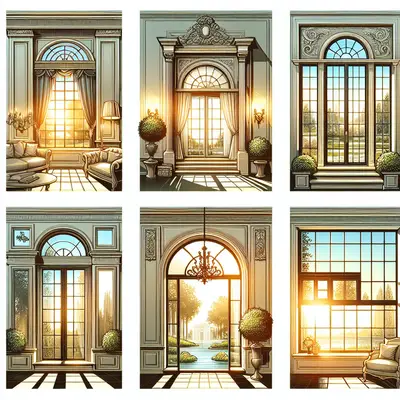
Most homeowners encounter window types as a checklist—casement, double-hung, picture, awning, slider, bay, bow, and specialty shapes. But in well-resolved homes, these are not random selections; they are a deliberate vocabulary used to define rhythm, hierarchy, and mood.
Casement windows, for instance, read as clean, vertical gestures that pair beautifully with contemporary or European-inspired architecture. Their side-hinged operation offers expansive, unobstructed glass, excellent ventilation control, and a minimal sightline that feels tailored rather than utilitarian. Double-hung windows, by contrast, evoke a more traditional lineage, bringing a sense of familiarity and balance while allowing nuanced airflow from both top and bottom sashes.
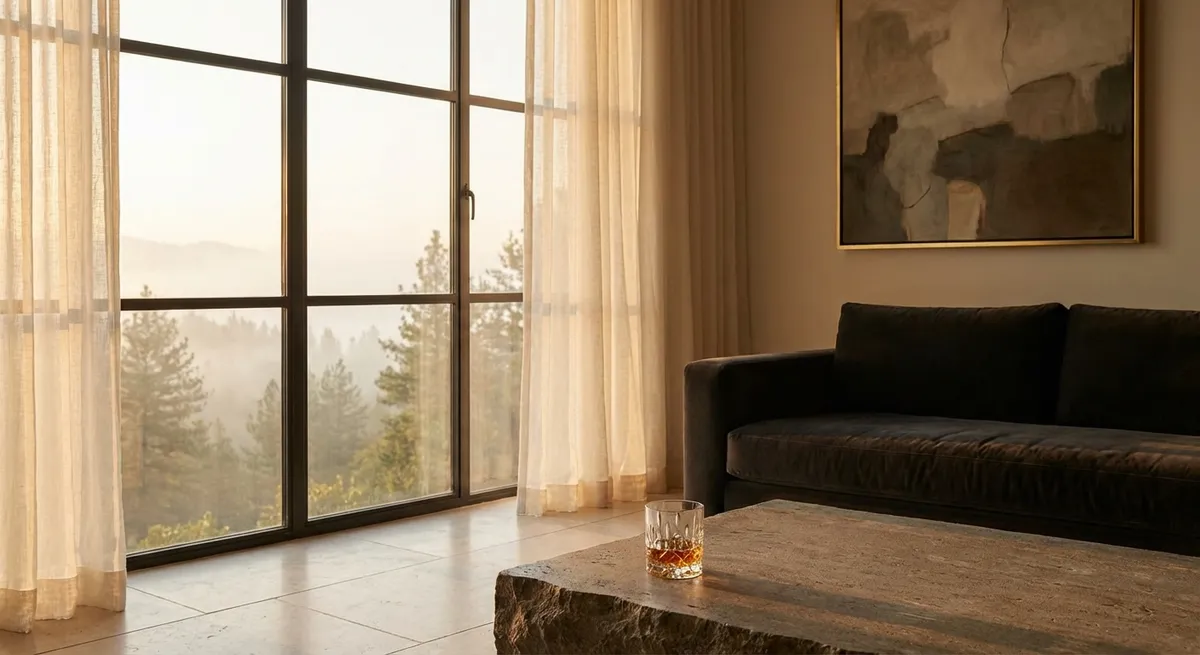
Fixed or picture windows, when used thoughtfully, become quiet focal points—framing a garden, skyline, or courtyard like a curated artwork. Awning windows can be layered beneath or above larger panes to introduce ventilation without compromising privacy or the purity of a large glass surface. Sliding windows, often maligned in basic builds, can be elevated with refined profiles and expansive dimensions, creating wide, horizontal openings that emphasize landscape and horizon.
Understanding the inherent character of each type—its visual weight, movement, and relationship to walls and furnishings—is the first step in composing a window scheme that feels intentional, not accidental.
Composing a Room: Matching Window Types to Purpose
Each room has a primary mood and function, and the window type should reinforce that intent rather than simply fill a structural opening. In private spaces such as primary suites, the goal is often controlled openness—capturing light and outlook while maintaining a sense of retreat. Here, a considered blend of larger fixed windows paired with operable casements or awnings can provide luminous calm without compromising seclusion.
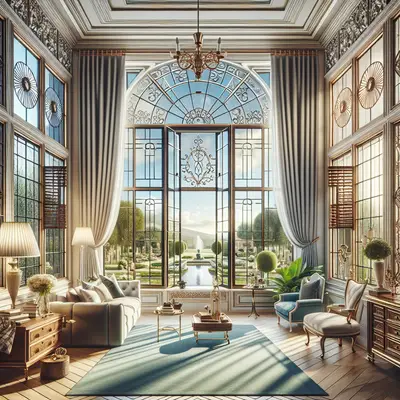
In living spaces, the light itself becomes a design element. Larger picture windows can create a gallery-like quality, with select operable units flanking the main view to manage cross-breezes and comfort. Dining rooms benefit from carefully placed windows that bring in daylight without overwhelming the intimacy of evening meals; smaller groupings of casement or double-hung windows can maintain proportion and focus while still introducing natural light.
Kitchens demand ventilation and practicality; awning windows over countertops, slim casements beside range walls, or horizontal sliders above work zones allow airflow without interfering with cabinetry. In transitional zones—stairwells, landings, hallways—narrow vertical windows, porthole shapes, or tall fixed panels can turn movement through the home into a series of choreographed light experiences.
The key is to begin with the emotional goal of each space—serenity, bustle, formality, informality—and then select window types that naturally support that feeling through their operation, scale, and relationship to the furnishings and sightlines.
Five Exclusive Insights for the Discerning Window Curator
Rather than focusing on obvious considerations like energy ratings or budget (important but widely discussed), the following insights reveal subtler decisions that quietly separate a standard window project from a truly elevated one.
1. Align Sightlines, Not Just Sizes
Most window projects aim for symmetry, but sophisticated design is just as concerned with continuity. Sightlines—the horizontal and vertical lines created by mullions, sash rails, and transoms—play a vital role in how ordered and calm a space feels.
When mixing window types, prioritize alignment of key elements: the height of meeting rails on double-hung units, the vertical centerlines of casements, and the mullion positions of fixed windows. By ensuring that these lines carry across a wall—or even between interior and exterior elevations—you create a subtle visual discipline that feels custom, even when using standard sizes.
This may mean upsizing or downsizing a unit slightly, or choosing a different operation type in order to maintain a clean horizon line across a room. The result is a space that feels inherently “put together,” even if a casual viewer can’t articulate why.
2. Use Window Types to Control Acoustics and Atmosphere
Sound control is often relegated to glass and frame specifications, but window type plays a role as well. Casement and awning windows, which close by pressing the sash snugly against the frame, often achieve better air and sound sealing than some sliding or older double-hung designs. When oriented toward busy streets or neighbors, these units can help create quieter interiors without visibly telegraphing their purpose.
In serene rooms—bedrooms, home offices, reading nooks—leaning on more airtight window types and limiting unnecessary operable segments can reduce drafts and ambient noise, lending a cocoon-like quality. In contrast, social rooms can tolerate more operation points and slightly more ambient sound, especially when the goal is to blur boundaries between interior and outdoor entertaining zones.
By matching window type to the acoustic goals of each room, you are effectively tuning the atmosphere, not merely choosing how the glass opens.
3. Treat Corners and Transitions as Signature Moments
Most window discussions center around flat walls, yet corners and transitional zones offer some of the most powerful opportunities for distinction. Corner windows—whether composed of two abutting fixed units, a fixed and a casement, or specialty mitered glass—can remove the sense of enclosure in a room, extending the view diagonally and adding a gallery-like sophistication.
On stair landings, tall, narrow fixed windows or a vertical stack of smaller operable units introduce sculptural rhythm while delivering daylight deep into the home’s core. In long corridors, evenly spaced slim window types can break up the length and create a sequence of light “episodes” rather than an unremarkable passage.
By assigning unique window treatments to architectural junctures—corners, junctions between floors, and changes in ceiling height—you transform transitional spaces into signature features instead of mere connective tissue.
4. Pair Window Types with Material and Hardware Intent
Beyond the glass, the relationship between window operation and materiality profoundly influences the perceived quality of a space. A slender, thermally broken aluminum casement in a modern home reads very differently from a warm, stained wood double-hung in a classic townhouse. The motion of the sash—swinging, sliding, tilting—should feel congruent with the interior palette and hardware language.
In a home with minimalist, linear hardware and flush cabinetry, casements and awnings with low-profile handles or concealed hinges reinforce the aesthetic. In more traditional or transitional interiors, the vertical action of double-hung units can echo paneling and millwork, especially when paired with considered sash proportions and substantial locksets.
This is where brand and series choice matter: some premium manufacturers offer consistent hardware, finishes, and profiles across multiple window types, allowing you to mix operations (fixed, casement, awning, specialty) while maintaining a unified visual and tactile experience.
5. Consider Layered Typologies for Multi-Use Rooms
Rooms that serve evolving purposes—guest suites that double as offices, family rooms that shift between media viewing and entertaining, or kitchen-dining hybrids—benefit from layered window strategies rather than a single dominant type.
For example, a large fixed picture window can anchor the room with a dramatic view, while flanking operable casements or awnings handle daily ventilation. Above eye level, clerestory awning windows can admit light even when privacy shades are drawn on lower units. In some cases, a secondary row of smaller windows closer to the floor or at knee height can visually extend the sense of space, particularly where seating is low and views are best appreciated from a lounge position.
This layered approach enables the room to adapt gracefully—daylight for work, cozy enclosure for evening, filtered light for media use—without resorting to temporary or ad hoc solutions.
Elevating the Envelope: Integrating Window Types into a Cohesive Whole
The most memorable homes are rarely defined by a single dramatic window, but by a refined, consistent approach to every opening. A well-orchestrated mix of window types should feel like variations on a theme rather than an assortment of unrelated choices.
Begin by clarifying the architectural narrative of your home: is it quiet and restrained, or expressive and sculptural? Then, select one or two primary window types that anchor the design language—perhaps casements and fixed units for a modern scheme, or double-hung and specialty shapes for a more classical one. Reserve additional types—awnings, sliders, corner windows, clerestories—for strategic moments where function or drama truly call for them.
As you refine, keep returning to the five insights: align sightlines, tune acoustics, celebrate corners and transitions, harmonize materials and hardware, and layer window typologies in multi-use spaces. When elevated to this level of intentionality, window selection ceases to be a renovation checkbox and becomes an act of quiet architectural authorship—crafting not just how your home looks from the street, but how it feels to inhabit from morning to night.
Sources
- U.S. Department of Energy – Window Types and Technologies - Overview of common window types, performance characteristics, and efficiency considerations
- Efficient Windows Collaborative (now part of the National Fenestration Rating Council) - Guidance on choosing window styles and configurations with attention to comfort and performance
- Marvin Windows & Doors – Window Types - Detailed examples of window operations, design options, and use cases in premium residential settings
- Pella – Understanding Different Window Styles - Practical descriptions and visuals of major window types and how they function in real homes
- University of Minnesota Extension – Windows and Daylighting - Insight into how window placement and types influence daylighting, comfort, and interior experience
Key Takeaway
The most important thing to remember from this article is that this information can change how you think about Window Types.