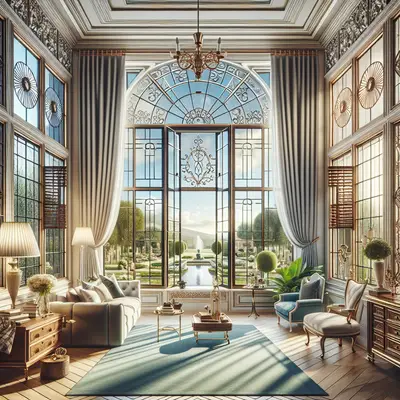
Every window is a decision about how you wish to experience light, privacy, sound, and the world beyond your walls. For the design-conscious homeowner, window types are not merely functional openings—they are architectural instruments that choreograph mood, rhythm, and refinement throughout a space. Choosing wisely means curating not just views, but atmosphere, comfort, and long-term value.
Below, we explore how different window types perform in sophisticated homes—and share five exclusive, often-overlooked insights that quietly separate a conventional upgrade from a truly elevated one.
Beyond Shapes and Styles: Understanding the Architecture of Window Types
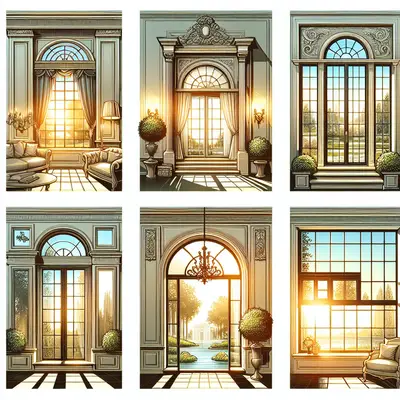
When most people compare window types, they stop at the visible differences: casement versus double-hung, picture versus slider, bay versus bow. But each type also encodes a set of architectural behaviors: how it manages air, how it frames perspective, how it interacts with light at different times of day, and how it interrupts—or completes—the language of your walls.
Fixed picture windows, for instance, deliver unbroken glass expanses that feel almost gallery-like, ideal for framing a view you never tire of. Casement windows, hinged at the side, open like doors and catch breezes efficiently, making them particularly compelling for rooms that risk feeling still or static. Awning windows, hinged at the top, can remain open in light rain, quietly extending your use of fresh air without compromising comfort.
Choosing among these types is less about following a style rulebook and more about orchestrating how each room should feel at different times: morning versus evening, winter versus summer, entertaining versus solitude. In a refined home, window types are selected not as isolated pieces, but as a coherent collection—each with a deliberate role in the overall composition.
Exclusive Insight #1: Window Types Can Curate the Soundscape of Your Home
Homeowners often focus on visual performance, yet different window types also shape your acoustic experience in subtle ways. If you live near a busy street, park, or waterfront, the choice between fixed and operable windows becomes a decision about how sound enters and disappears from your interior world.
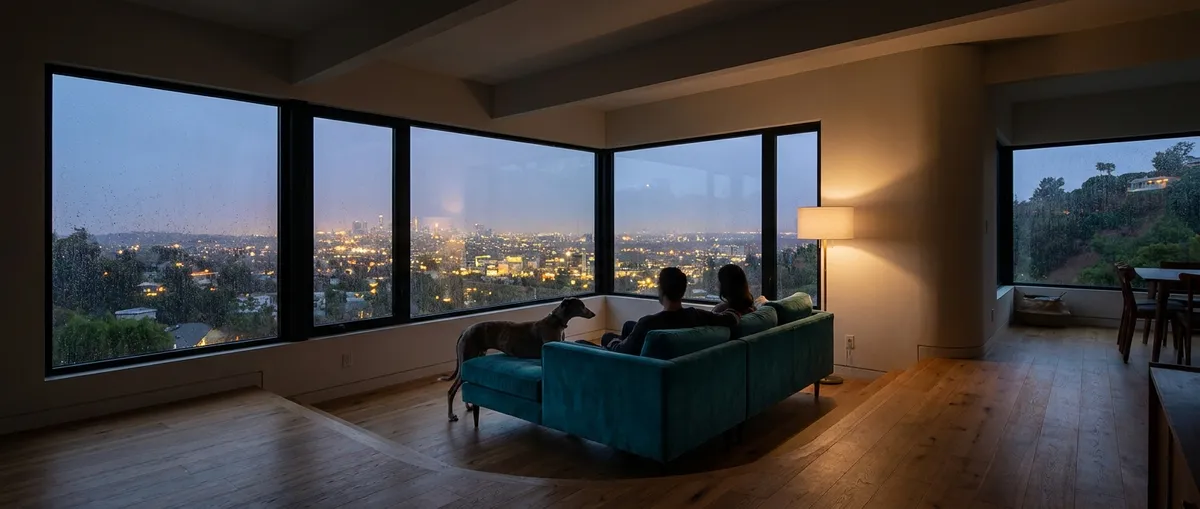
Fixed picture windows, when paired with laminated or acoustic glazing, can act as quiet, gallery-like frames to the outside—preserving the view while significantly muting external noise. Because they do not open, their seals are often more robust, making them a strategic choice for noise-sensitive façades.
By contrast, sliding windows, depending on quality and installation detail, can introduce more acoustic vulnerability at the tracks and meeting rails. Casement and awning windows, which compress their seals when closed, often achieve stronger sound isolation when specified with the right glass and frame system.
A carefully considered mix—noise-attenuating fixed windows in the most exposed areas, and tightly sealing operable units where you want control over natural ventilation—creates a soundscape that feels composed rather than accidental. This is where window type, hardware quality, and glazing selection work together to deliver a home that sounds as refined as it looks.
Exclusive Insight #2: Operability as Ritual, Not Just Function
The way a window opens becomes a small daily ritual, and in a sophisticated home, that ritual should feel intentional. Different window types introduce distinct tactile experiences, from the graceful swing of a casement handle to the weightless glide of a well-engineered tilt-turn sash.
Tilt-turn windows, common in high-end European design, offer dual functionality: they can tilt inward at the top for gentle ventilation or swing fully inward for maximum opening. This duality transforms a simple action—opening a window—into a nuanced choice, allowing you to modulate air, security, and privacy with a single frame.
Double-hung windows, reinterpreted with premium balances and slim profiles, maintain a classic architectural language while offering the flexibility to vent from the top, bottom, or both. This can be particularly effective in bedrooms or studies where subtle, draft-free airflow is preferred.
Thinking of operability as a ritual encourages you to select window types that feel as elegant to use as they appear in photographs. The best solutions dissolve the boundary between aesthetics and mechanics, making every interaction quietly luxurious.
Exclusive Insight #3: Depth, Projection, and the Art of Spatial Layering
Certain window types do more than sit within a wall—they project, recess, or carve out space. Bay and bow windows, for example, extend beyond the façade, creating intimate alcoves that function as reading nooks, breakfast corners, or contemplative perches with a view. These projections subtly expand both the physical and psychological footprint of a room.
Casement or fixed windows set deeply into thick walls can create sculptural reveals and window seats, introducing depth and shadow play throughout the day. Slim-framed fixed windows, when used in series, can act as vertical light slots that stretch a room’s perceived height, drawing the eye upward.
These dimensional effects are often missing from standard window upgrades, which focus solely on performance metrics. By treating your window types as spatial tools—deciding where you want projection, compression, or pure planar continuity—you quietly elevate the architecture of your home without adding a single extra square foot.
Exclusive Insight #4: Micro-Climate Zoning with a Mixed Window Palette
Not all rooms experience your site in the same way. A kitchen facing the morning sun, a west-facing living room with intense afternoon heat, a north-facing study that risks feeling cool and flat—each deserves a different window strategy.
Fixed windows with high-performance glazing can stabilize temperature and reduce glare in rooms with harsh solar exposure, preserving comfort and protecting finishes. Elsewhere, strategically placed operable casement or awning units can draw cooler air from shaded sides of the property, enabling natural cross-ventilation without over-reliance on mechanical systems.
Clerestory windows—narrow bands of glazing placed high on the wall—can be fixed or operable, admitting daylight deeply while preserving privacy and encouraging warm air to escape when operable. When coordinated room by room, these choices effectively create micro-climate zones within your home, each tuned with a specific combination of window type, placement, and operability.
The result is a dwelling that feels dynamically responsive to weather and season, rather than held hostage by them. This level of nuance is typically reserved for custom builds—but it can be thoughtfully introduced through a considered window upgrade.
Exclusive Insight #5: Invisible Cohesion Through Sightlines and Proportions
One of the most understated luxuries in a home is visual calm. Window types have a powerful influence here, determining how muntins, meeting rails, hardware, and frame profiles align—or clash—across your façades and interiors.
For example, aligning the horizontal mullions of a large fixed window in the living room with the sash divisions of nearby operable windows creates a subtle sense of order. Consistently choosing window types that share similar sightlines and frame proportions prevents the patchwork effect that often emerges when windows are replaced piecemeal.
In more contemporary projects, a deliberate combination of large fixed panes with operable casements or tilt-turns, all sharing a common frame depth and color, can achieve a near-seamless appearance. Even in traditional homes, selecting double-hung and specialty shapes that echo the same vertical rhythm preserves character while introducing modern performance.
The most refined window compositions feel cohesive from the street, from the garden, and from every interior vantage point. That cohesion is rarely accidental; it’s the result of carefully curating types that serve different purposes while speaking the same design language.
Conclusion
Choosing window types is ultimately an exercise in authorship—of light, air, sound, privacy, and proportion. Beyond aesthetics, the most successful window strategies treat each type as a specialized instrument within a larger ensemble, tuned to the nuances of each room and the character of the site.
For homeowners who refuse the ordinary, window upgrades become an opportunity to refine not just how the home looks, but how it is lived in: how quietly it closes out the city at night, how elegantly it tempers the afternoon sun, how effortlessly it frames a garden or skyline. When you understand the deeper capabilities of each window type, you are no longer simply replacing glass—you are curating a more intentional way of inhabiting your space.
Sources
- U.S. Department of Energy – Window Types and Technologies – Overview of common window types and their performance characteristics
- Efficient Windows Collaborative – Window Selection Guidance – Detailed information on selecting window styles for performance and comfort
- University of Minnesota – Window Selection and Placement – Educational guidance on how window types affect comfort, ventilation, and energy use
- American Window and Door Institute – Window Designs and Functions – Industry perspective on different window styles and their applications
- Milgard Windows & Doors – Window Styles – Manufacturer descriptions and visual examples of various window types and configurations
Key Takeaway
The most important thing to remember from this article is that this information can change how you think about Window Types.