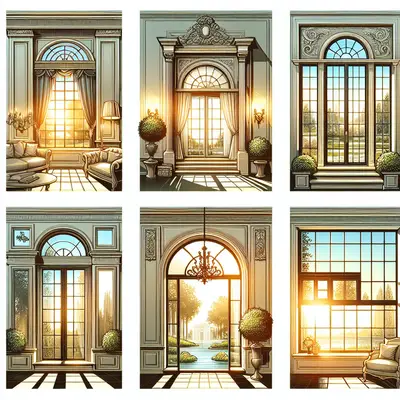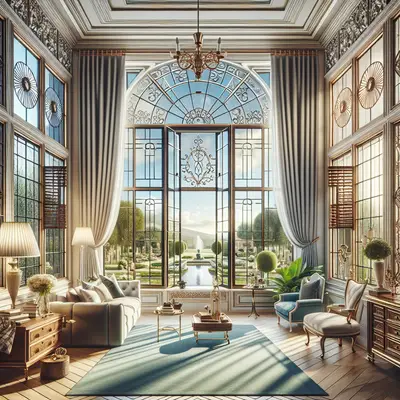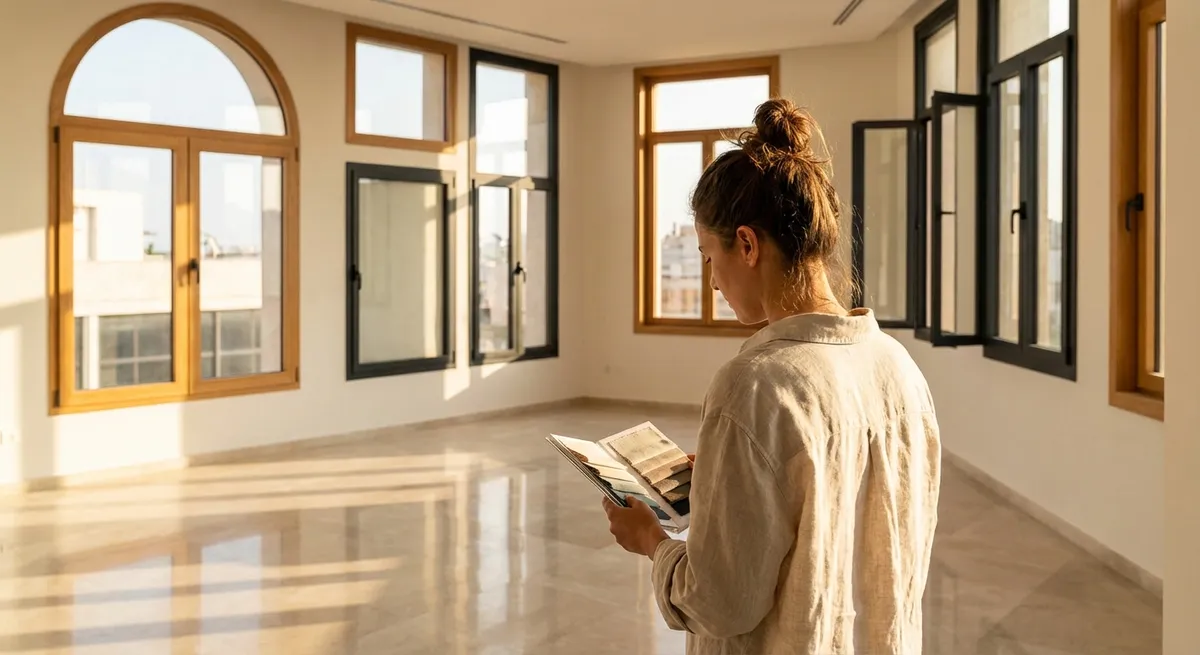
Windows are not merely openings in a wall; they are instruments of light, proportion, and atmosphere. For the discerning homeowner, choosing window types is less about filling a void and more about orchestrating how a space feels, performs, and presents itself to the world. This is where window selection evolves from a standard specification into an act of quiet curation.
In an elevated home, the right window type can soften a room’s acoustics, sculpt daylight into something almost tactile, and create a dialogue between interior architecture and the landscape beyond. The decision is no longer “what fits this opening?” but “what experience should this opening create?”
Below, we explore key window types through a sophisticated lens—and share five exclusive insights that matter deeply when you are upgrading not just your glass, but your entire visual and sensory environment.
Reading the Room: Matching Window Types to Architectural Intent
Every window type carries an architectural “accent.” Understanding these accents is essential to specifying windows that elevate rather than merely occupy.
Casement windows, with their side-hinged design, offer a tailored, almost tailored-suit precision. They close tightly against the frame, making them ideal for refined envelopes where energy performance and acoustic calm are priorities. Their clean sightlines complement contemporary and transitional architecture, while their operation provides controlled ventilation—particularly valuable in kitchens, studies, and smaller, more curated spaces.
Double-hung windows, on the other hand, evoke a quiet classicism. Their balanced vertical proportions can feel timeless when detailed with slender muntins and high-quality hardware. In heritage or traditionally styled homes, double-hung windows preserve architectural authenticity while still accommodating modern glazing and weatherstripping.
Awning windows introduce a more discreet functionality. Hinged at the top and opening outward, they invite airflow even during light rain, making them ideal in spa-like bathrooms or tucked under larger fixed windows where privacy and ventilation must coexist.
Fixed (or picture) windows serve a different purpose altogether: they are about framing, not function. They become architectural lenses—especially powerful in rooms with curated vistas, carefully composed landscaping, or sculptural exterior elements. When partnered with operable windows nearby, they allow you to separate visual drama from the mechanics of ventilation, achieving both clarity and comfort.
The goal is not to have one window type dominate the home, but to build a coherent “vocabulary” of windows that speak the same aesthetic language while performing distinct roles.
Curated Combinations: Pairing Fixed and Operable Windows with Intention
Sophisticated window design often emerges in the spaces between types—where fixed and operable units are composed into a single, cohesive gesture. Instead of treating each opening independently, consider how a wall of windows might behave as a single installation.
Fixed windows deliver purity of view: no rails, no sashes, just uninterrupted glass. However, they do not breathe. Placing slim casements or awning windows in strategic positions within or adjacent to the fixed glass allows the wall to function as both a viewpoint and a ventilation system.
In living areas, a central expanse of fixed glass flanked by operable casements can create the effect of a contemporary gallery wall, where the “art” is the landscape itself. In bedrooms, a lower operable unit beneath a large fixed pane allows for night-time airflow without sacrificing privacy or the visual simplicity of a clean upper frame line.
For homes with high ceilings, clerestory windows—often fixed or small awnings—can be layered above larger primary windows. This strategy admits elevated, diffuse daylight while preserving wall space for art, storage, or custom millwork below.
By composing different window types in a single elevation, you can fine-tune the interplay of light, view, and ventilation with far more precision than any single type can provide on its own.
The Five Exclusive Insights: Details That Quietly Transform the Experience
Homeowners at the premium end of the market often look beyond obvious specifications like frame material or glass type. The most elevated window experiences arise from subtler decisions that are rarely discussed in mainstream guides. Consider these five insights as you evaluate window types:
Sightline Discipline Is as Important as the View
It is not only what you see through the window that matters, but what you see of the window. Different types inherently produce different sightlines—mullion thickness, sash proportions, and hardware placement all affect the perceived refinement of a room.
Casement and fixed windows often allow for slimmer profiles than double-hung units, lending themselves to more minimal, gallery-like interiors. When comparing options, request section drawings and pay close attention to frame and sash dimensions; the leaner the profiles (without compromising performance), the more elevated and expansive your interiors will feel.
Ventilation Strategy Should Be Planned, Not Assumed
Most homes are assembled as if ventilation were an afterthought. Instead, treat airflow as a design layer. Identify which rooms benefit from directional breezes (corner offices, primary suites, kitchens), and match window type accordingly.
Casement windows can “catch” breezes when opened toward prevailing winds, while awnings provide controlled, modest airflow with better resistance to light rain. Double-hung windows can support stratified ventilation—warm air exits through the top sash, cooler air enters through the bottom—particularly useful in older homes with high ceilings.
Operability Height Affects How You Use the Space Daily
The functional elegance of a window is determined partly by how easily you can open it in real life, not just how beautifully it looks closed. For tall or wide openings, consider how different types impact daily use.
Over a kitchen sink, casements are often easier to operate than double-hungs. In tall spaces or above built-ins, tilt-turn or awning windows with discreet motorized operators can preserve dramatic height without sacrificing practicality. As you evaluate window types, imagine how you will reach, grip, and operate them from the actual furnishings in the room.
Acoustic Character Varies More Than You Think
Not all window types perform equally from an acoustic perspective, even with the same glazing. Compression-seal types—like casements and awnings—typically achieve stronger air and sound seals than sliding or single-hung windows.
For homes near urban centers, busy roads, or even active outdoor entertainment areas, specifying operable types that close into a tight seal is crucial. Pairing these with laminated or acoustic glass can significantly transform the perceived calm of a room, especially bedrooms, studies, and media spaces.
Hardware and Operation Are a Critical Part of the Luxury Experience
In a premium home, the tactile feel of the window is as important as its performance. Hardware finish, shape, and resistance—the quiet, confident “lock” of a casement handle, the balanced glide of a double-hung sash—signal quality every time the window is used.
When selecting window types, do not treat hardware as an afterthought. Ask to experience full-size samples. Pay attention to whether the operation feels light yet controlled, whether the locking points are intuitive, and whether the finishes align with the rest of your interior metalwork. Exceptional windows reveal themselves in the smallest gestures.
Context, Climate, and Orientation: Choosing Types for Each Exposure
The same window type can perform very differently depending on where it is placed. Sophisticated window planning looks at orientation and climate as central design variables.
On south- and west-facing elevations in sunnier climates, large fixed windows paired with carefully sized overhangs or exterior shading can welcome winter light while moderating summer heat. Operable casements or awnings in these zones provide fresh air without over-ventilating on hot days, especially if they can be partially opened and held securely in place.
In cooler or mixed climates, north-facing windows can be excellent candidates for larger fixed panes with flanking casements. They admit stable, diffuse light that is flattering to art and interiors, while operable units preserve flexibility during milder seasons.
On oceanfront or exposed sites, window types must be evaluated for their capacity to resist wind-driven rain and pressure. Casements and awnings, when properly specified and installed, often deliver robust weather resistance. In such locations, choosing window types rated for high design pressures and coastal conditions is not indulgent—it is essential.
By aligning type, orientation, and climate, you transform windows from generic openings into precise environmental instruments tailored to your site.
Elevating Everyday Rituals Through Thoughtful Window Selection
The most successful window upgrades are those that you stop noticing as “products” and start experiencing as part of your daily rituals. The window beside your breakfast table that frames morning light just so; the tall fixed pane that makes a storm feel cinematic, not chaotic; the quiet close of a precisely engineered casement as you retire for the night.
Choosing the right window types is not solely about style or efficiency metrics. It is about crafting a consistent, elevated experience of light, comfort, and connection throughout your home. When each opening is considered—its type, proportion, operability, and acoustic character—your windows become less like separate elements and more like a continuous, refined interface between interior life and the world outside.
In a thoughtfully upgraded home, windows are no longer an afterthought. They are a signature.
Sources
- U.S. Department of Energy – Energy-Efficient Window Types - Overview of common window types and their performance characteristics from a federal energy perspective.
- Efficient Windows Collaborative – Window Selection Guidance - Detailed guidance on choosing window configurations based on climate, orientation, and performance.
- University of Minnesota – Choosing Windows for Energy Efficiency - Educational resource explaining how window types affect comfort, energy use, and building performance.
- Pella – Window Styles and Types - Manufacturer overview with visual and functional distinctions between major window styles.
- Milgard – Sound Control and Acoustic Window Considerations - Discussion of how different window constructions and types influence acoustic performance.
Key Takeaway
The most important thing to remember from this article is that this information can change how you think about Window Types.