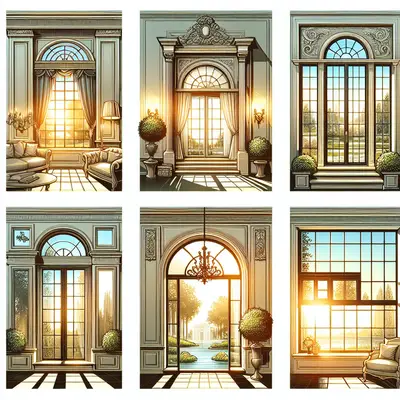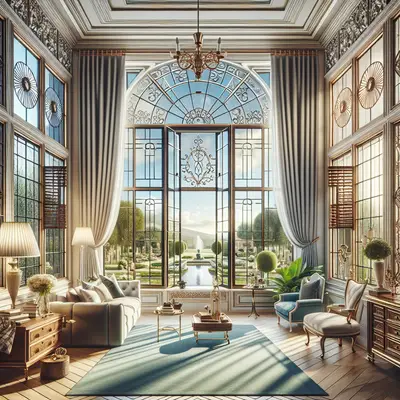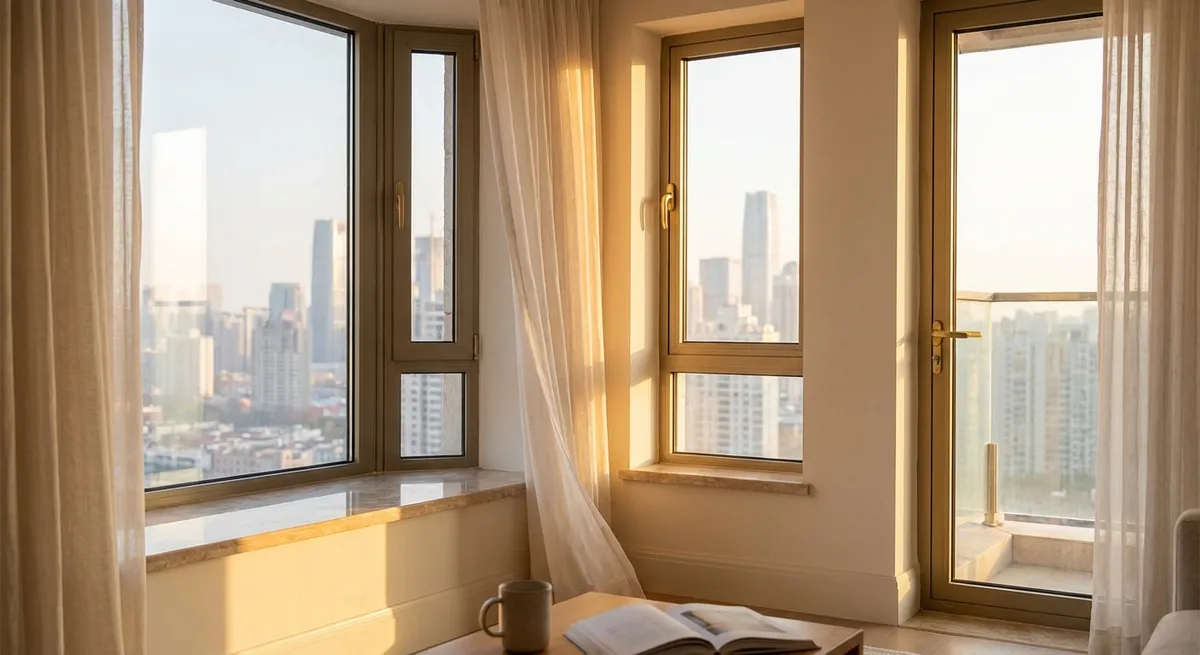
Windows are more than openings in a wall—they are architectural punctuation marks that define how your home feels, performs, and is perceived. The right window type can transform a façade from ordinary to exceptional, elevate natural light into a design feature, and quietly enhance comfort, efficiency, and value. The wrong choice, by contrast, can lock you into decades of compromise.
For homeowners pursuing a truly elevated upgrade, understanding window types isn’t about memorizing jargon. It’s about aligning proportion, performance, and aesthetics so every sightline feels intentional and every room benefits from the view it frames.
Below are five exclusive, often overlooked insights that will help you navigate window types with the same discernment you’d bring to fine furniture, curated lighting, or bespoke cabinetry.
1. The Quiet Power of Sightlines: How Frame Design Shapes the View
When most homeowners compare window types, they focus on style—casement vs. double-hung, picture vs. slider. What often goes unnoticed is the sightline: how much of what you see is glass, and how much is frame. Casement windows, for example, typically offer slimmer vertical frames than double-hung units, which must accommodate two operable sashes. The result? Casements can deliver a more expansive, uninterrupted view and a heightened sense of openness. Picture windows go even further, minimizing hardware and breaks in the glass to create a gallery-like frame for the landscape. For a refined result, consider the hierarchy of sightlines across your home: use picture windows where the view is paramount, casements where ventilation and clean lines matter, and carefully chosen operable units to maintain visual consistency. Premium window lines often offer “narrow frame” or “contemporary frame” options—subtle but transformative upgrades for homeowners who care as much about the view as the glass.
2. Ventilation as a Design Strategy, Not an Afterthought
The type of window you choose fundamentally changes how air moves through your home. Casement windows, hinged on the side, can “scoop” breezes into a room when opened outward, making them exceptional for cross-ventilation along prevailing wind directions. Awning windows, hinged at the top, provide sheltered ventilation even during light rain and are ideal above bathtubs, kitchen counters, or in private spaces where you want air without fully exposing the interior. Double-hung windows allow warm air to escape through the top sash while cooler air enters through the bottom—an elegant, passive way to maintain comfort in transitional seasons. When planning upgrades, map out how air should move between rooms: a series of well-placed awnings high on a wall can gently exhaust heat, while larger casements positioned opposite each other can create a subtle, natural breeze corridor. This considered pairing of window type and placement can reduce reliance on mechanical cooling and give your home a calmer, more breathable atmosphere.
3. Light as a Luxury Material: Layering Window Types for Depth
Natural light is increasingly treated as a luxury finish—every bit as valuable as stone, millwork, and textiles. Window types influence not only how much light enters, but how it behaves once inside. Tall, narrow casements or double-hungs emphasize verticality and can make rooms feel more stately. Broad sliders and picture windows emphasize horizontality, visually extending the room into the landscape. Clerestory windows—slender, elevated units placed near the ceiling—wash walls and ceilings with light, creating a soft, gallery-like ambiance without sacrificing privacy. Consider layering window types in a single space: a large picture window as the primary focal point, flanked by operable casements for ventilation, and complemented by high awnings or clerestories to introduce indirect daylight. The interplay of different window forms, heights, and orientations can create a nuanced, dynamic lightscape that shifts gracefully throughout the day—one of the defining characteristics of a truly elevated interior.
4. Architectural Integrity: Matching Window Types to the Home’s Language
A sophisticated window upgrade doesn’t fight the home’s architecture; it refines it. Different window types inherently signal different design languages. Double-hung windows, for instance, feel at home in traditional, colonial, or craftsman styles, where symmetry and divided lites are expected. Casements with slim frames and large panes suit modern, transitional, or European-inspired designs. Sliders often align with mid-century or minimalist aesthetics, where horizontal lines and understated hardware are especially compelling. In many premium projects, designers blend types strategically: double-hungs on the front façade to honor historical character, casements or large sliders on the rear elevation to open living spaces to terraces and gardens, and fixed picture windows where uninterrupted glass best serves the architecture. When reviewing options, don’t just evaluate each window in isolation—step back and consider how your chosen types will read together across elevations. Consistency in grille patterns, hardware finishes, and frame proportions is what separates a simple replacement from a cohesive, architecturally fluent upgrade.
5. Performance Tailored by Type: Security, Acoustics, and Efficiency
While glazing and frame materials often headline energy discussions, the window type itself plays a decisive role in performance. Casement and awning windows, which use compression seals that tighten when the sash locks, frequently outperform sliding and double-hung units in air leakage and weather resistance, especially in windy or coastal climates. Their multi-point locks can also offer a heightened sense of security. Fixed picture windows, with no moving parts, provide exceptional thermal performance and sound reduction when thoughtfully specified, making them ideal near busy streets or in media and primary suites. On the other hand, modern premium sliders—often overlooked—have evolved significantly, with improved track systems, enhanced seals, and upgraded locking mechanisms that offer smooth operation and solid performance in contemporary spaces. A refined specification might combine high-performing fixed units in noise- or temperature-sensitive zones with carefully placed operable casements and awnings where you want both security and fresh air. The result is a home that feels consistently quiet, temperate, and composed, regardless of the season.
Conclusion
Selecting window types is not merely a functional decision; it’s a design language choice that influences every moment you spend at home. The most rewarding upgrades move beyond basic style names and dive into how sightlines, ventilation, light, architecture, and performance interact room by room.
When you approach window types with this level of nuance, you’re no longer just replacing old units—you’re curating views, orchestrating daylight, and tailoring comfort with the same care you bring to every other premium element in your home. That is the difference between standard replacement and a truly elevated window upgrade.
Key Takeaway
The most important thing to remember from this article is that this information can change how you think about Window Types.