Windows are not simply openings in a wall; they are architectural instruments that orchestrate light, sightlines, acoustics, and atmosphere. For the discerning homeowner, selecting window types is less about mere replacement and more about curation—composing a visual and sensory experience that aligns with the home’s architecture and lifestyle. When chosen with intention, window types become quiet signatures of taste, craftsmanship, and performance.
Below, we explore how different window types shape a refined living environment—and surface five exclusive insights that sophisticated homeowners consistently leverage yet rarely discuss openly.
Reading the Architecture: Matching Window Typology to Design Language
Every architectural style carries an implied vocabulary of window forms, proportions, and rhythm. A well-chosen window type does not simply “fit”; it completes a sentence the architecture has already begun.
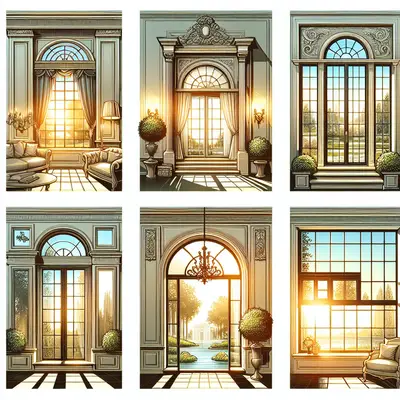
In a modernist or contemporary home, large fixed picture windows and expansive sliders underscore horizontality, dissolve boundaries to the landscape, and allow minimalist interiors to feel expansive rather than sparse. For a classic Georgian or Colonial residence, double-hung windows with slender muntins maintain the façade’s grid-like order, while subtle variations in grille pattern can distinguish formal rooms from private spaces. Mediterranean or Spanish Revival homes often feel most authentic with segmental or arched windows, where casement or French-style operation respects both climate and heritage.
The sophisticated homeowner looks at the elevation of the house as a whole—front, side, and rear—asking how each window type contributes to a cohesive visual rhythm. Instead of defaulting to one universal format, a curated mix of fixed, operable, and specialty shapes can reinforce hierarchy: formal front rooms, more playful rear elevations, and discreet side façades. The result is a home that reads as deliberate rather than assembled from a catalog.
Performance as Aesthetic: When Operation Shapes Experience
How a window opens (or doesn’t) directly influences how a space is lived in, ventilated, and perceived. Operation type is not a minor detail; it is a primary driver of comfort and daily ritual.
Casement windows, hinged at the side, excel in controlled ventilation and seal tightly against air and water infiltration—qualities prized in both temperate and harsh climates. Their one-handed operation and full, unobstructed opening are ideal for kitchens or reading nooks where fresh air is part of the room’s character. Awning windows, hinging at the top, can remain open during light rain, making them especially compelling for bathrooms, garden-facing bedrooms, or pool pavilions where year-round air movement matters.
Fixed picture windows, meanwhile, embody restraint. They do not open, but they frame. In a living room that already enjoys cross ventilation from adjoining operable windows, a large fixed pane can become a cinematic composition, allowing furnishings and textures to be oriented around the view rather than the television. Tilt-and-turn windows—common in European design—offer both inward tilt for secure ventilation and full inward swing for cleaning and egress, merging functional sophistication with a clean-lined aesthetic well suited to high-performance homes.
In refined projects, operation is chosen not as a one-size-fits-all decision, but on a room-by-room basis, balancing ventilation, security, maintenance, and the choreography of everyday use.
Five Exclusive Insights for the Discerning Window Upgrader
Beyond the familiar conversations about “energy efficiency” and “curb appeal,” there are subtler considerations that quietly differentiate an exceptional window upgrade from a routine one. These five insights often surface only in high-caliber projects—but they are equally attainable for any homeowner willing to think a level deeper.
1. Layering Window Types to Sculpt Light, Not Just Admit It
Different window types modulate light in distinct ways: tall, narrow casements emphasize verticality; wide sliders and picture windows stretch light horizontally; clerestory windows wash ceilings and upper walls with a soft, diffuse glow. By layering these types within a single room—say, a large fixed unit paired with slender operable casements—you can sculpt the daylight.
In a dining room, a low-silled picture window may frame the garden while higher, narrower casements control glare from the afternoon sun. In a stairwell, staggered or stacked fixed and awning windows can avoid direct sightlines into neighboring homes while still filling the space with ambient light. The sophisticated approach treats daylight as a material, using varied window types as tools to control intensity, direction, and privacy, rather than simply maximizing glass.
2. Using Window Type to Curate Acoustic Calm
Not all window types deliver equal acoustic performance, even when glazing specifications appear similar. Fixed units typically provide superior sound control compared with operable windows, simply because they lack operable seals and hardware. Casements, which compress gasket seals when closed, often outperform sliders and single-hung units from an acoustic standpoint.
In noise-sensitive spaces—primary bedrooms, home offices, listening rooms—a strategic mix of fixed and casement windows can create a notably quieter environment. Where operability is necessary, pairing casement or tilt-and-turn units with laminated glass and deeper frames enhances both sound control and perceived solidity. The result is a room where urban noise or street activity becomes a distant murmur rather than a constant intrusion, achieved as much through the choice of window type as the glass itself.
3. Selecting Window Types to Disguise Structural Constraints
In any upgrade, structural realities—headers, load-bearing walls, and existing openings—can appear to limit what is possible. However, thoughtful window type selection often allows you to elevate the design without dramatic structural intervention.
For example, where height is constrained by existing framing, expanding width with a wide fixed center window flanked by operable casements can create the impression of a more generous opening without touching the header. In older homes with slightly uneven or out-of-square openings, casement or awning windows tend to visually “forgive” subtle irregularities more than double-hung units, thanks to the continuous sash frame. Specialty shapes—segmental arches, transoms, or corner windows—can redirect attention to intentional geometries rather than legacy imperfections.
Sophisticated projects often begin with a conversation about what cannot move (structure), then use window type as the primary tool to reassert elegance and balance around those constraints.
4. Harmonizing Window Types with Interior Millwork and Furnishings
From the exterior, window types articulate the façade. From the interior, they must quietly negotiate with cabinetry, furnishings, and art. This interplay is frequently overlooked until after installation—when a sash conflicts with a cabinet door or a low sill interrupts a clean run of millwork.
Casements above a kitchen counter, for instance, offer full, unobstructed glass and easier reach than double-hungs, but the direction of the swing must respect faucets, pendant lights, and nearby wall cabinets. In living spaces designed around built-in shelving, fixed windows or tilt-and-turn units that open inward can allow built-ins to approach closer to the opening without cluttering the view with meeting rails. Tall, slender windows placed between wardrobe units or at the ends of a built-in bench can create luminous vertical accents, provided the chosen operation does not compete with adjacent hardware.
Sophisticated homeowners coordinate window type decisions alongside interior design plans, ensuring that hardware, swing, and proportions feel intentionally integrated rather than retrofitted.
5. Future-Proofing with Window Types That Anticipate Lifestyle Shifts
The most elegant window upgrades are those that age gracefully as needs evolve. A nursery may become a study, a guest room may evolve into a care suite, and a bonus room may transform into a studio or media retreat. Future-proofing through window type selection can quietly protect both safety and resale desirability.
Egress-capable window types—certain casements, tilt-and-turns, and properly sized sliders—ensure that bedrooms and lower-level spaces remain code-compliant sleeping areas, which can significantly influence future valuation. In multi-level homes, favoring inward-opening or tilt-and-turn windows in upper stories can simplify cleaning and maintenance as occupants age. In climates experiencing increasing temperature swings, prioritizing high-performance operable types in key cross-ventilation locations allows comfortable “shoulder season” living, reducing dependence on mechanical systems.
The refined approach assumes change and selects window types that can gracefully support multiple possible futures for each room.
Materiality, Frames, and the Role of Window Type
Material choices—wood, aluminum, fiberglass, composite, or high-end clad systems—interact subtly with window type to define both performance and presence. A slim aluminum or fiberglass frame surrounding a large fixed or sliding unit can create the near-invisible boundary prized in contemporary design, while a more substantial wood or composite frame suits traditional casements and double-hungs, lending depth and shadow to the opening.
Certain materials excel when paired with specific operations: fiberglass and composite frames are dimensionally stable and perform beautifully in large casement or awning units; thermally broken aluminum shines in expansive sliders and fixed walls of glass; high-quality wood interiors, often paired with exterior cladding, bring tactile warmth to tilt-and-turn or double-hung formats in more classical interiors.
For the cultivated homeowner, frame material and window type are selected together, with an eye to how sightlines, shadow gaps, and hardware finishes harmonize across the home. The goal is continuity of quality and proportion, even when different types coexist—picture windows in living spaces, casements in secondary rooms, and specialty shapes as architectural accents.
Conclusion
Selecting window types for an elevated home is not a matter of choosing between “double-hung or casement” in a vacuum. It is an act of architectural editing—balancing exterior composition, interior function, daylight, acoustics, and long-term adaptability. By reading the existing architecture, choosing operations that reinforce how each room is used, and applying the five exclusive insights above, homeowners can transform a standard window replacement into a refined reimagining of the home’s relationship to light, landscape, and daily life.
In the most successful projects, window types disappear as “products” and emerge as part of a coherent design language—quietly luxurious, thoroughly considered, and endlessly livable.
Sources
- U.S. Department of Energy – Energy-Efficient Windows - Overview of window types, frames, and performance considerations from a federal energy perspective
- Efficient Windows Collaborative – Window Selection Guidance - In-depth guidance on how operation, frame material, and glazing affect comfort and efficiency
- University of Minnesota – Window Selection and Placement - Educational resource on how window type and placement influence daylighting and performance
- Marvin – Window Types and Styles - Manufacturer resource illustrating different window operations, materials, and design applications
- Andersen – Understanding Window Styles - Visual and technical overview of common window styles and how they function in real homes
Key Takeaway
The most important thing to remember from this article is that this information can change how you think about Window Types.