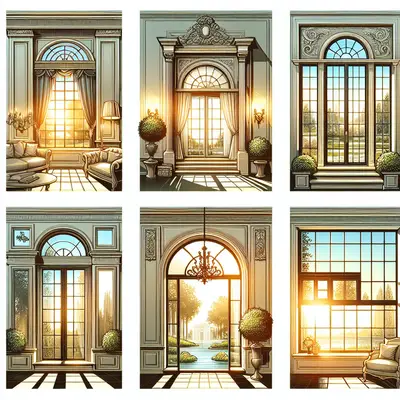
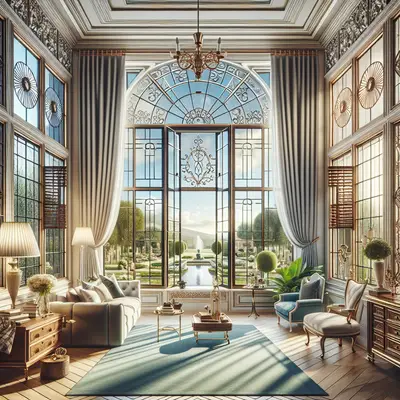
The most memorable homes rarely shout; they speak in quiet, considered details. Among the most powerful of these details are windows—the curated apertures that choreograph light, frame landscape, and define how a space feels from dawn to dusk. For homeowners contemplating an elevated window upgrade, understanding window types is less about basic shapes and more about the architectural, sensory, and lifestyle experiences they unlock.
This guide moves beyond simple classifications to explore how different window types can be orchestrated into a cohesive, refined vision—while preserving comfort, performance, and long-term value.
The Architectural Role of Window Types
Window types are not merely functional categories; they are architectural instruments that define rhythm, proportion, and mood. A series of tall, narrow casements can lend a room a quiet vertical elegance, while expansive picture windows create a sense of gallery-like serenity. Double-hung windows, with their traditional sightlines and balanced symmetry, can anchor a classic façade without feeling nostalgic when paired with modern finishes and glass.
Each type—casement, awning, slider, picture, bay, bow, specialty shapes—brings a distinct visual grammar. Casements open like doors, framing views with minimal interruption and offering controlled ventilation. Sliding windows feel relaxed and horizontal, echoing mid-century and coastal sensibilities. Bay and bow windows introduce depth, creating intimate seating niches or reading alcoves that blur the line between interior and exterior.
Thoughtfully selecting window types is about aligning architecture with intention: rooms for gathering should feel generous and open; private spaces may call for softer, filtered light and controlled sightlines. The right mix of window types can unify an entire home, ensuring each elevation and interior vista feels intentional rather than improvised.
Performance, Not Just Aesthetics: Matching Mechanism to Lifestyle
While form is essential, the operating style of a window fundamentally shapes daily living. Casement windows, for example, are prized in premium projects for their compression seals—when closed, the sash presses firmly into the frame, often delivering superior air sealing compared with many sliding or older double-hung designs. This tends to support both energy performance and acoustic comfort, especially in climates with temperature extremes or urban noise.
Awning windows, hinged at the top, excel in spaces where privacy and ventilation must co-exist—bathrooms, secondary bedrooms, or spa-like retreats. They can be placed higher on a wall to admit light and fresh air while keeping views discreet, and they shed rain effectively when partially opened.
Sliding windows, when engineered with quality rollers and robust frames, can provide effortless operation for larger openings—particularly valuable in modern homes where broad, linear windows complement minimalist architecture. Meanwhile, picture windows, though fixed, deliver the most uninterrupted glass surfaces and often serve as the centerpiece of a view-centric design, with operable windows placed strategically nearby for ventilation.
Choosing window types with an eye toward daily behavior—who opens which windows, how often, and in what seasons—ensures a home feels intuitive rather than demanding.
Five Exclusive Insights for the Discerning Homeowner
Below are five less-obvious, but highly valuable, considerations that refined homeowners appreciate when selecting window types—insights that often separate a merely “updated” home from a genuinely elevated one.
1. The Sightline Strategy: Aligning Frames, Mullions, and Horizon
Beyond the glass itself, the thickness and continuity of frames, sashes, and mullions can dramatically alter how a window feels. Casement and fixed picture windows from premium manufacturers often allow for slimmer profiles, meaning more glass and less visual interruption. In view-driven rooms—overlooking water, gardens, or city skylines—using casement and fixed combinations with carefully aligned mullions can create a near-continuous panorama.
A refined approach considers the visual horizon: where eye level naturally rests when seated or standing. Placing horizontal mullions just above or below that line keeps the view feeling expansive, while poor alignment can unintentionally “slice” a beautiful outlook. Selecting window types that permit flexible mullion placement (often casement and fixed units, or custom specialty windows) allows a more elegant, tailored composition than relying solely on standard double-hung configurations.
2. Layered Ventilation: Designing for Airflow, Not Just Openings
Ventilation is rarely optimized when window types are chosen purely by habit. Casement and awning windows can “scoop” breezes into a room when oriented correctly, making them exceptionally effective on elevations that receive prevailing winds. Awning windows placed high on walls can release rising warm air, supporting passive comfort strategies and reducing reliance on mechanical cooling.
A sophisticated plan layers window types: picture windows for view and light, flanked by operable casements, or clerestory awnings above fixed glazing to enable gentle, continuous air exchange. In bedrooms and primary suites, pairing different types on adjacent walls can create cross-ventilation that feels resort-like. This deliberate interplay of fixed and operable windows elevates comfort while preserving visual calm.
3. Acoustic Poise: Pairing Window Types with Glazing for Serenity
Not all window types manage sound equally well, and this is especially pertinent in urban, waterfront, or flight-path environments. Fixed and casement windows often offer superior air sealing compared with many sliding designs, which can be meaningful when combined with laminated or acoustic glazing.
For noise-sensitive spaces—primary bedrooms, home offices, nurseries—a strategy favoring fixed and casement units, with fewer sliding or older-style double-hung windows, often yields a more tranquil interior. Bay and bow windows, when engineered with high-performance glass and tighter seals, can buffer street sound while still projecting outward to capture light and view. When evaluating types, consider both the operating mechanism and the glass package—true quiet is a product of both.
4. Interior Architecture First: Using Window Types as Spatial Tools
The most sophisticated window upgrades are coordinated with interior architecture, not merely with the exterior façade. For example, a low, wide awning or slider behind a soaking tub creates a luxurious, spa-like moment, while tall, slender casements can echo the vertical lines of custom millwork in a library or study.
Bay and bow windows can be designed as built-in window seats, breakfast nooks, or reading corners—effectively adding usable square footage and spatial character without expanding the footprint. Specialty shapes—arched, radius, or angled units—can underscore key architectural elements such as staircases, double-height spaces, or gable ends.
Instead of asking, “What window fits this opening?” the more refined question is, “What experience should this opening create?” The answer often points to a specific family of window types and combinations, rather than a generic solution.
5. Maintenance Elegance: Hidden Practicalities of Different Types
The premium feel of a window endures only if the system remains smooth, clean, and visually crisp over time. Some types naturally support this long-term elegance better than others in certain contexts.
Casement and awning windows, for example, place hardware on the interior, shielding it from the elements and often simplifying maintenance in harsher climates. Many modern double-hung windows offer tilt-in sashes, providing easy access for cleaning upper levels from inside—particularly valuable in tall townhomes or multi-story residences.
Large sliding windows and doors can deliver breathtaking openness, but they demand top-tier track systems and high-quality rollers to maintain a graceful, one-finger glide over years of use. In coastal or high-humidity environments, certain hardware materials and finishes (stainless, marine-grade) paired with specific window types can dramatically influence longevity and appearance.
Selecting window types is thus both an aesthetic and operational choice—one that anticipates the subtle rituals of living with your windows every day.
Tailoring Window Types to Climate and Exposure
Climate should quietly inform every window decision, especially type and placement. In colder regions, fixed picture windows paired with high-performance glazing can deliver abundant winter light without excessive heat loss, while strategically placed casement or awning units handle targeted ventilation in milder months. In warmer, sun-intense climates, operable windows with deep overhangs or recessed placements can control solar gain while still permitting airflow.
Orientation matters. South-facing facades may welcome larger expanses of glass, especially when shaded or equipped with advanced coatings, while west-facing elevations often benefit from more controlled openings—smaller operable windows, exterior shading, or layered glazing—to avoid harsh afternoon heat and glare. Window types that allow nuanced control—such as casements that open incrementally or tilt-turn systems in some European-style installations—can be particularly effective in climates with strong seasonal contrasts.
By allowing climate and exposure to guide the mix of fixed and operable types, homeowners can achieve a refined balance of comfort, clarity, and efficiency without compromising visual elegance.
Conclusion
Choosing window types for a premium home upgrade is no longer a basic exercise in rectangles and grids. It is an exercise in curating experiences: how light enters, how air moves, how sound is softened, and how views are framed and celebrated. When casement, awning, sliding, picture, bay, bow, and specialty windows are orchestrated deliberately—aligned with architecture, climate, and lifestyle—the result is a home that feels composed rather than merely constructed.
For the discerning homeowner, window types become less about labels and more about legacy: a lasting expression of taste, comfort, and quiet sophistication that endures long after the installation is complete.
Sources
- U.S. Department of Energy – Efficient Windows - Overview of window types, energy performance, and design considerations from a federal energy authority
- Efficient Windows Collaborative (Energy.gov–affiliated) - Detailed technical descriptions of common window operating types and their performance implications
- University of Minnesota – Window Selection and Design - Educational guidance on selecting windows based on climate, performance, and use
- Harvard GSD – Light and Space Studies - Research and perspectives on how apertures and glazing influence architectural space and perception
- Marvin Windows & Doors – Window Types - Manufacturer-level reference illustrating real-world applications of different window types and configurations
Key Takeaway
The most important thing to remember from this article is that this information can change how you think about Window Types.