Windows are no longer mere apertures in a wall; they are architectural decisions that define how a home feels, performs, and presents itself to the world. The right window type frames daylight like a gallery piece, choreographs airflow, and quietly reinforces the home’s overall sense of quality and calm. When chosen thoughtfully, windows become a language of refinement—expressing taste, discretion, and attention to detail without ever raising their voice.
For homeowners considering an upgrade, the challenge is not simply “which window,” but rather “which composition of window types best supports the lifestyle, architecture, and long‑term ambitions of the home.” Below, you’ll find five exclusive insights that move beyond basic style guides and into the realm of curated, high‑performance window planning.
1. Treat Window Types as a Design Palette, Not a Single Choice
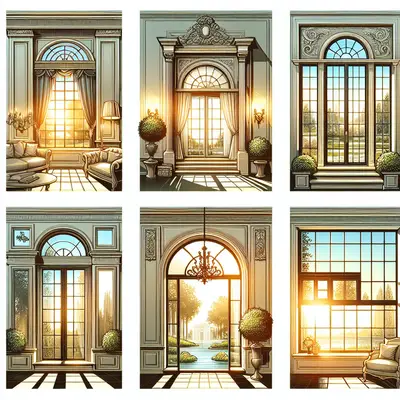
Many homeowners begin by asking which one window style is “best.” In refined projects, however, architects work with a palette of window types—picture, casement, awning, specialty shapes, and more—to create a coherent visual story across the facade and interior. Tall, narrow casements might lend a modern vertical rhythm to a living room, while a low, wide picture window in the dining area quietly announces itself as a framed landscape. The key is consistency of proportion, finish, and sightline, not uniformity of type. Thoughtful variation creates a sense of deliberate architecture rather than a catalog of mismatched parts. By viewing window types as tools within a larger composition, you gain the freedom to balance aesthetics, ventilation, and privacy with remarkable precision. This curated approach transforms windows from a functional necessity into an orchestrated design statement throughout the home.
2. Use Operating Styles to Direct Light and Air with Intent
Different window types do far more than open and close; they actively shape airflow, daylight quality, and even how spaces are used. Casement windows, hinged on the side, can act like subtle wind scoops, directing breezes into a room and making natural ventilation feel luxuriously effortless. Awnings, hinged at the top, excel in bedrooms, bathrooms, or above kitchen counters, allowing controlled ventilation even during light rain and preserving a sense of privacy when positioned higher on the wall. Sliding windows, while visually quiet, can create generous horizontal openings that feel natural above long countertops or in minimalist interiors. Fixed picture windows provide the purest, most unobstructed views, but pairing them with discreet operable units nearby ensures comfort never competes with aesthetics. When you select window types based on how you want each room to feel at different times of day—not just how they look—you begin to craft a home that responds gracefully to weather, seasons, and daily routines.
3. Align Frame Profiles and Sightlines Across Varying Types
A detail often overlooked in standard renovations—but never ignored in refined projects—is the alignment of frame proportions and sightlines across different window types. A casement window with a chunky frame installed next to a slender fixed unit can create visual noise, even if both are technically “high‑end.” The premium approach is to choose a window line where casement, awning, picture, and specialty units share consistent frame depths, mullion profiles, and sightline heights. This ensures that when you stand in a room and scan across a wall of mixed window types, your eye experiences a calm, uninterrupted rhythm. On the exterior, this continuity reads as architectural confidence: the home doesn’t look “renovated in phases,” but rather intentionally composed. Ask manufacturers and installers specifically about matched sightlines and compatible systems when mixing types; it’s a subtle request that yields a distinctly elevated result.
4. Pair Window Types with Architectural Style—Without Being Predictable
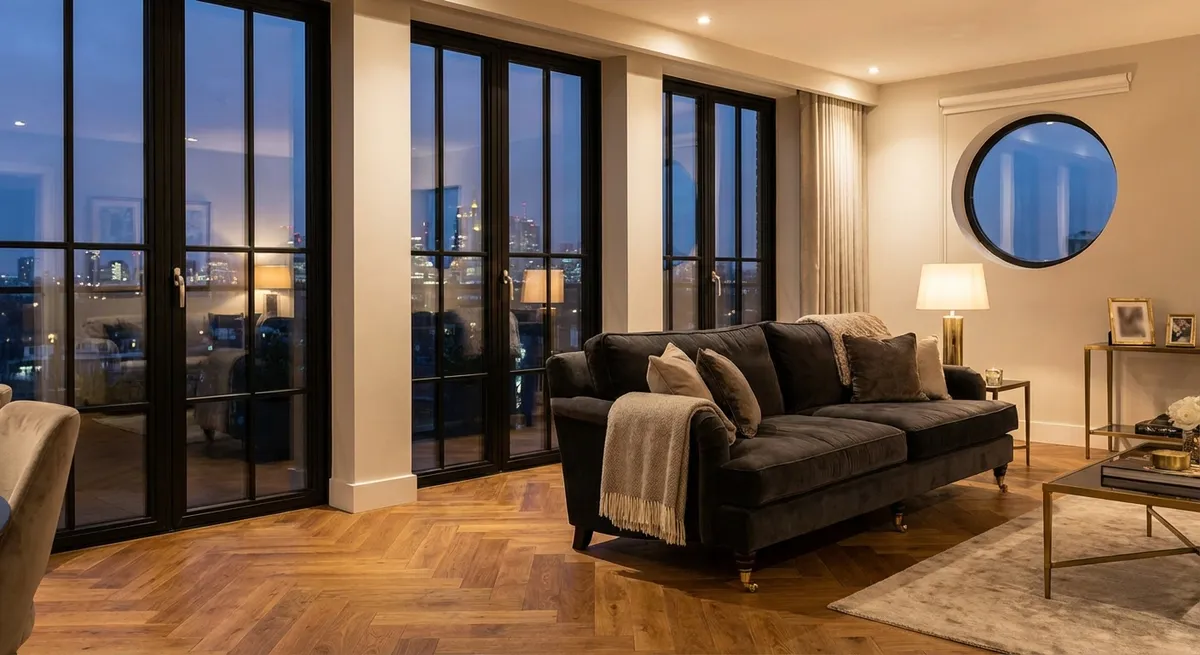
Different architectural styles subtly “expect” certain window expressions, but within those expectations, there’s room for considered innovation. Traditional homes often favor double‑hung windows for their familiar grid patterns and historical resonance, yet integrating slender casements on less prominent elevations can significantly improve performance and ventilation without disturbing the primary aesthetic. In contemporary homes, large fixed panes and minimal‑frame sliders are common, but strategically introducing operable awning or tilt‑turn units in key locations can preserve the clean lines while adding everyday comfort. Even within niche styles—such as mid‑century modern or transitional—selecting the right combination of picture, clerestory, and operable units can refresh the architecture without diluting its character. The goal is not strict adherence to a style rulebook, but an elevated interpretation: window types that honor the home’s architecture while quietly upgrading its livability and energy performance.
5. Think in Zones: Matching Window Types to Activity and Privacy
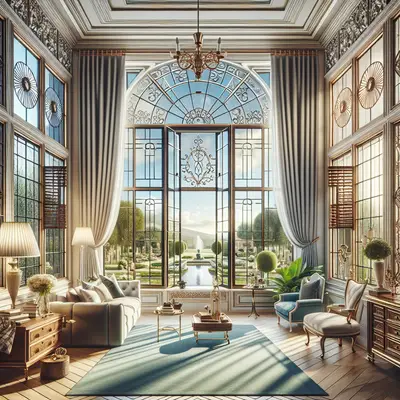
The most refined homes are zoned not only by function but also by how windows support those functions. Public spaces—living rooms, dining areas, open kitchens—often benefit from a combination of expansive fixed windows for statement views and carefully placed operable units that invite fresh air during gatherings. Here, picture windows paired with slim casements or awnings can create generous vistas without sacrificing comfort. Private areas, such as bedrooms and spa‑like bathrooms, call for more nuanced window selections. Higher‑set awnings, frosted or textured glazing in carefully chosen operable types, and smaller accent windows can deliver daylight and ventilation while preserving an intimate atmosphere. Transitional spaces—stairwells, hallways, landings—are opportunities for sculptural window types: tall fixed units, corner windows, or specialty shapes that transform circulation areas into moments of quiet drama. By zoning window types to match how each area of the home is used, you elevate both practicality and experience, ensuring every window feels intentional rather than incidental.
Conclusion
Choosing window types is not a matter of ticking boxes on a product sheet; it is an exercise in curating how light, air, and views shape your daily life. When you treat windows as a design palette, use operating styles with intent, insist on aligned sightlines, respect your home’s architecture while refining it, and thoughtfully zone each space, the result is a home that feels quietly luxurious from the moment you step inside.
For homeowners ready to move beyond basic options, a carefully considered mix of window types is one of the most powerful—and enduring—ways to express both sophistication and substance throughout the home.
Key Takeaway
The most important thing to remember from this article is that this information can change how you think about Window Types.