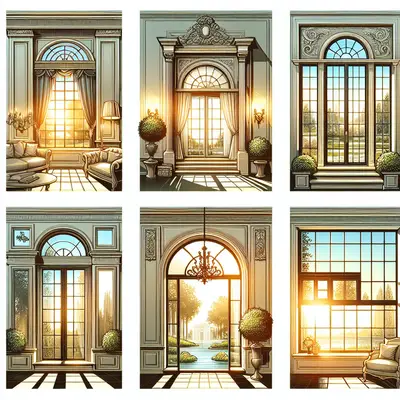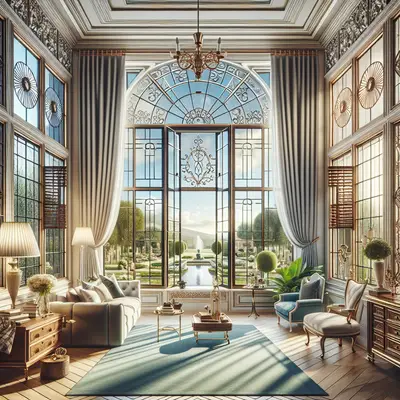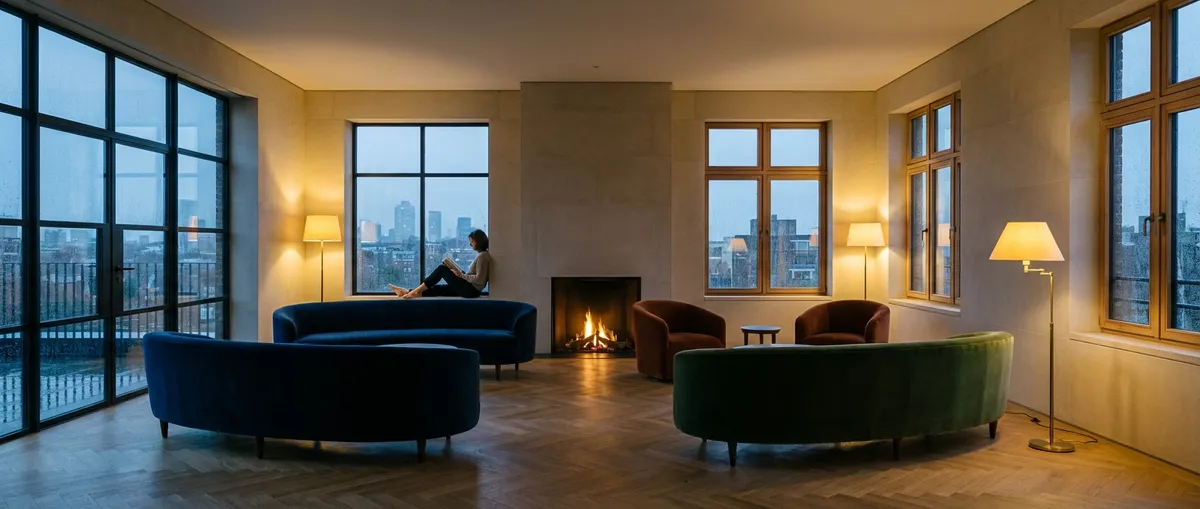
The most memorable homes share a subtle common thread: their windows feel inevitable, as if no other shape, scale, or operation would ever have suited the architecture. For homeowners contemplating an upgrade, choosing window types is less about catalog options and more about curating apertures that choreograph light, air, privacy, and presence. When approached with intention, your window selections can quietly recalibrate how every room is experienced—morning to midnight, season to season.
This guide explores how different window types perform in sophisticated spaces and offers five exclusive insights that discerning homeowners will appreciate as they plan an upgrade with longevity and elegance in mind.
Reading the Room: Aligning Window Types with Architectural Intent
Before falling in love with any particular style, begin by “reading” your home’s architecture. Traditional façades often reward vertically oriented double-hung or casement windows that echo classical proportions, while mid-century or contemporary structures may be better served by expansive fixed panes with carefully placed operable units. The goal is to choose window types that appear native to the architecture rather than imposed upon it.
Casement and awning windows excel in modern compositions, with their clean lines and generous glass area. Double-hung windows, on the other hand, can be refined rather than rustic when specified with slim profiles and thoughtfully scaled muntins. Picture windows provide arresting views but must be strategically paired with operable companions—often casements or awnings—to preserve comfort and ventilation. Sliding windows have their place in horizontal architectural narratives, particularly where wide, low openings feel intentional. Ultimately, the most successful homes mix several types, but within a clearly defined visual language.
Performance with Poise: Matching Window Function to Lifestyle
Window upgrades are an opportunity to quietly elevate daily rituals. A casement that swings open over a kitchen garden, an awning window that permits ventilation during a gentle rain, or a tilt-and-turn unit that offers both secure venting and full-throated airflow—these are small gestures that transform how a room is used.
Fixed (picture) windows offer unparalleled clarity and thermal performance but contribute nothing to ventilation; they are best reserved for views you want to frame and preserve. Casements catch breezes more efficiently than sliders or double-hungs because they open like a sail into the airflow. Awnings, hinged at the top, can remain open in light rain, making them ideal in bathrooms, above bathtubs, or over sheltered patios. Double-hung windows remain persuasive in multi-story façades because they allow warm air to escape at the top while cooler air enters at the bottom, a subtle advantage in shoulder seasons. When you match window type to how you live—where you cook, read, work, or unwind—the upgrade stops feeling cosmetic and starts feeling indispensable.
Exclusive Insight #1: Treat Ventilation as a Design Layer, Not an Afterthought
Most homeowners start with views and daylight, then remember ventilation late in the process. In sophisticated window planning, airflow is considered from the outset as a design layer equal to light and privacy. Different window types shape airflow patterns in distinct ways, and mapping these patterns across your floor plan can reveal surprisingly elegant solutions.
Casement windows positioned on the windward side of a room can actively pull air in, while awnings or higher operable units on the leeward side allow warm air to exhaust. In corner rooms, pairing two different window types (e.g., a tall casement with a horizontal awning) can create cross‑currents that make mechanical cooling less necessary on temperate days. In stairwells, an operable window placed high on the landing—often an awning or tilt-and-turn—acts as a discreet thermal chimney, drawing warm air up and out. When you treat ventilation as part of the composition, your home becomes calmer, quieter, and more comfortable, often with less reliance on systems that hum, buzz, and cycle.
Framing Character: How Window Types Shape Interior Atmosphere
Window types do not merely admit daylight; they choreograph it. A tall, narrow casement will pull your eye vertically, emphasizing ceiling height and creating a sense of elegance and lift. A broad slider or wide awning stretches the gaze laterally, making rooms feel more expansive and grounded. The interior character of a space is often determined as much by the geometry of the openings as by the furnishings within it.
Fixed windows invite the purest, most uninterrupted daylight and are particularly effective where you wish to create a quiet, gallery-like ambiance. Double-hungs gently segment views into upper and lower panes, adding a subtle rhythm that can feel timeless and residential. Tilt-and-turn windows, with their dual operation modes, introduce a European sensibility—one that reads as both technically sophisticated and visually restrained. When you understand how a given type edits, diffuses, or dramatizes light, you can deploy it strategically: crisp, north-facing picture windows in a study; low, operable awnings combined with clerestory fixed panes in a living room; or tall, narrow casements to lend a dining space a sense of occasion.
Exclusive Insight #2: Combine Window Types Vertically, Not Just Side by Side
Most window combinations are horizontal—mulled units strung along a wall. An elevated approach is to think vertically. Stacking or pairing different window types over one another can create striking compositions that also solve practical challenges.
Consider a large fixed window at eye level to preserve an uninterrupted view, with a slim awning or hopper window placed just below the sill for subtle, secure ventilation. In a tall space, a lower casement paired with a higher fixed or tilt-only window can maintain privacy from the street while still borrowing sky and light. In bathrooms, a small, frosted awning above eye line stacked over a clear, fixed pane can ensure privacy without sacrificing vertical daylight. These vertical strategies allow you to tailor openness, privacy, and airflow with far greater nuance than a single, monolithic unit could achieve.
Material Matters: How Frame Choices Transform Each Window Type
Every window type is filtered through the material of its frame, and this choice dramatically influences both performance and perception. A traditional double-hung in painted wood feels entirely different from the same operable pattern executed in slim, thermally broken aluminum. The type remains constant; the aesthetic message fundamentally changes.
Wood frames bridge the gap between heritage and warmth, well-suited to bungalows, colonials, and higher-end renovations where tactile authenticity matters. Fiberglass—stable, dimensionally rigid, and low maintenance—supports generous casement and awning configurations without visually heavy frames, making it a compelling choice for contemporary homes seeking a leaner profile. High-quality vinyl can deliver excellent thermal performance and value but requires disciplined detailing to avoid bulkiness, especially in multi-unit groupings. Aluminum and aluminum-clad wood offer minimal sightlines and crisp corners, essential for larger picture windows and architecturally bold compositions. Understanding how each material partners with a chosen window type is key to achieving both the performance and presence you envision.
Exclusive Insight #3: Specify Different Operation Types in the Same Visual Language
Sophisticated window schemes often look deceptively simple because they maintain a consistent visual language—similar frame sightlines, finishes, and grille patterns—even while employing a variety of operation types. The eye reads coherence, even as each opening quietly performs a specialized function.
For example, you might use fixed and casement units in the same room, all with identical frame dimensions and finishes, so the difference in operation becomes nearly invisible. In a bedroom façade, side windows could be operable casements, while the center remains a picture window; from the street, they appear as a single, harmonious assembly. In a kitchen, a slider over the sink can be paired with fixed sidelites that share the same mullion rhythm. This approach allows you to tailor airflow, cleaning access, and safety egress in each location without sacrificing a unified, elevated aesthetic.
Acoustic and Urban Considerations: Choosing Types for Quiet Luxury
In denser or noisier settings, the quietest luxury is often acoustic calm. The choice of window type can materially affect sound transmission, particularly when combined with upgraded glazing. Fixed windows generally offer the best baseline acoustic performance, as they have no moving sash lines; pairing them with strategically placed casements or tilt-and-turn units can strike a balance between stillness and fresh air.
Tilt-and-turn windows, common in European urban construction, can accommodate thicker, laminated glass and tight dual seals, making them particularly adept at damping street noise. Casements, which compress their seals when closed, often outperform sliders and traditional double-hungs acoustically. In bedrooms facing busy streets or upper-level media rooms, a composition that emphasizes fixed and inward-tilting windows can create a sanctuary-like quality. When you treat sound control as an integral part of window selection, the home becomes more retreat than structure.
Exclusive Insight #4: Use Window Types to Direct, Not Just Admit, Views
The most thoughtfully designed homes do not indiscriminately reveal everything outside; they edit and direct attention. Window type is a powerful tool in this curation. Tall, narrow casements may frame a single sculptural tree or architectural detail, while a low, wide slider might emphasize a garden plane rather than neighboring structures.
Awning windows, with their horizontal pivot, naturally frame a band of landscape—ideal when you wish to keep the sky out of direct view in very bright climates. High, fixed clerestory windows can harvest light and glimpses of treetops while keeping sightlines away from adjacent properties. In urban contexts, a fixed window paired with a lower, smaller operable unit can aim views into your own courtyard rather than toward a busy street. Instead of treating windows as passive holes, use types and proportions to decide precisely what each room gets to celebrate.
Safety, Egress, and Subtle Practicalities by Window Type
Elegance is incomplete without practicality. Bedrooms typically require at least one egress-compliant window, which often points to casement or certain tilt-and-turn units that open wide enough for safe exit. While double-hung windows can satisfy egress in many jurisdictions, they must meet strict clear-opening requirements that should be confirmed early in design.
On upper stories, the ability to clean exterior glass from inside becomes a quiet luxury; tilt-and-turn windows and certain casement designs excel here. In homes with young children, limiters and opening-control devices can be integrated into casements, awnings, and tilt-only modes without visually compromising the frame. In high-wind or coastal areas, the choice of operable type interacts with structural requirements—fixed and casement units typically perform better under pressure than wide sliders. Factoring these nuances in from the outset helps you avoid compromises that would otherwise dilute the sophistication of the final result.
Exclusive Insight #5: Think in “Window Families,” Not Individual Units
The most refined projects do not treat each window as an isolated decision. Instead, they work with “window families”: coherent sets of types, materials, and operations that repeat and adapt throughout the home. This allows you to strike a rare balance between visual harmony and functional nuance.
For instance, your family might be: fixed and casement on all public façades, awning and picture combinations in bathrooms and utilities, and tilt-and-turn in bedrooms and upper-level spaces where cleaning and micro-ventilation are priorities. All could share the same material, finish, and grille design, so the home reads as a single composition from the outside. Internally, this disciplined repetition makes the home feel calm and resolved—each room distinct, yet clearly part of the same narrative. Thinking in families also simplifies long-term maintenance and future replacements, a consideration as practical as it is elegant.
Conclusion
Upgrading windows is an invitation to re-author the way your home meets its surroundings—how it catches the morning, manages the afternoon, and settles into evening. By moving beyond simple style labels and engaging deeply with window types, you can orchestrate light, air, sound, and privacy with a level of precision that feels quietly luxurious.
The most successful projects view each window not as a product, but as an architectural decision: one that balances aesthetics and performance, respects the home’s character, and anticipates the way you wish to live over decades, not just seasons. When you curate window types with this depth of intention, the result is not merely an upgrade, but a home that feels more composed, more considered, and unmistakably yours.
Sources
- Efficient Windows Collaborative – Window Types - U.S. Department of Energy overview of common window types and their performance characteristics
- U.S. Department of Energy – Energy-Efficient Windows - In-depth guidance on window design, efficiency, and selection considerations
- Efficient Windows Collaborative – Window Selection - National Renewable Energy Laboratory report detailing window performance, types, and climate-sensitive design strategies
- American Architectural Manufacturers Association (FGIA) – Window Types Guide - Industry-standard information on operation types, materials, and performance
- Building America Solutions Center – High-Performance Windows - U.S. DOE resource on advanced window solutions, including design and specification best practices
Key Takeaway
The most important thing to remember from this article is that this information can change how you think about Window Types.