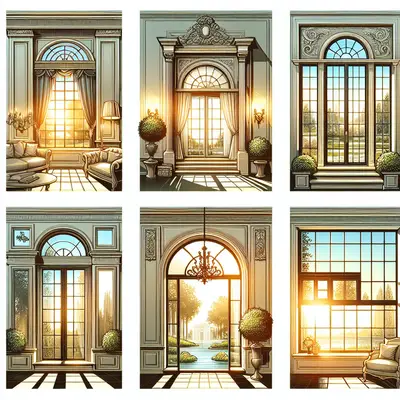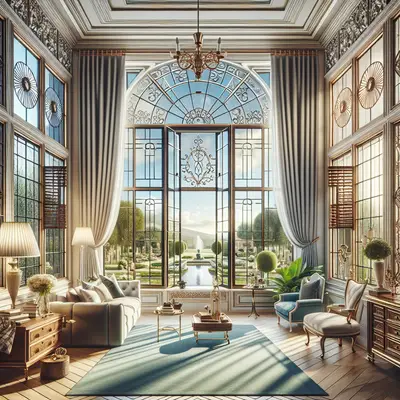
A well-chosen window is less a building component than a quiet signature—an architectural gesture that reveals as much about the inhabitants as it does about the view. For discerning homeowners, window upgrades are no longer a purely functional decision; they are a matter of composition, performance, and enduring comfort. The right window type can refine sightlines, orchestrate light, and subtly transform the character of a room without a single piece of furniture being moved.
This guide explores key window types through a cultivated lens—and then moves deeper, with five exclusive insights that sophisticated homeowners rarely find in standard renovation advice. The result is not a shopping list, but a framework for making window choices worthy of the rest of your home.
Understanding the Language of Window Types
Before focusing on refinement, it is worth establishing a shared vocabulary. Each window type carries inherent visual and functional traits that can support, or compete with, your architecture.
Casement windows, hinged at the side and opening outward, are the tailored suit of fenestration: clean, vertical lines, excellent sealing, and a sense of precision. They are particularly effective where uninterrupted glass and strong energy performance are priorities, and where the breeze can be “captured” from a specific direction.
Double-hung windows, a staple of traditional architecture, bring heritage and proportion. Both sashes can move, allowing warm air to escape at the top while cooler air enters below. In historic or classically inspired homes, they preserve authenticity while allowing discreet performance upgrades through improved glazing and weatherstripping.
Sliding windows offer horizontal clarity and low visual drama. Their strength lies in wide openings and streamlined operation along a track—ideal for contemporary spaces where the view, rather than the frame, is the statement. They are frequently paired with large fixed panes to create broad glass compositions.
Awning windows, hinged at the top, excel in climates where fresh air is a year-round luxury. Because they shed rain when open, they become subtle allies in maintaining interior air quality and comfort without exposing interiors to the elements.
Picture and fixed windows do not open, but they do something else exquisitely well: they frame. They allow maximal glass, slender framing, and a gallery-like stillness. When orchestrated alongside operable windows, they elevate façades into layered compositions of transparency and reflection.
Matching Window Types to Architectural Intent
The most refined window upgrades begin not with catalogs, but with the architecture. The profile of your home—its lines, massing, and historical cues—should guide window selection with the same rigor as a well-curated art collection.
In a mid-century modern or minimalist context, large sliders, fixed panes, and slender-framed casements support the original architectural thesis of openness and horizontality. Here, the glass-to-frame ratio matters, as does the continuity between interior floor levels and exterior landscaping.
For traditional or transitional homes, double-hung and carefully detailed casement windows protect architectural integrity while still allowing discreet modernization. Mullion patterns, meeting rail proportions, and exterior trim become as important as glass specifications. The goal is a quiet update, not a visual rupture.
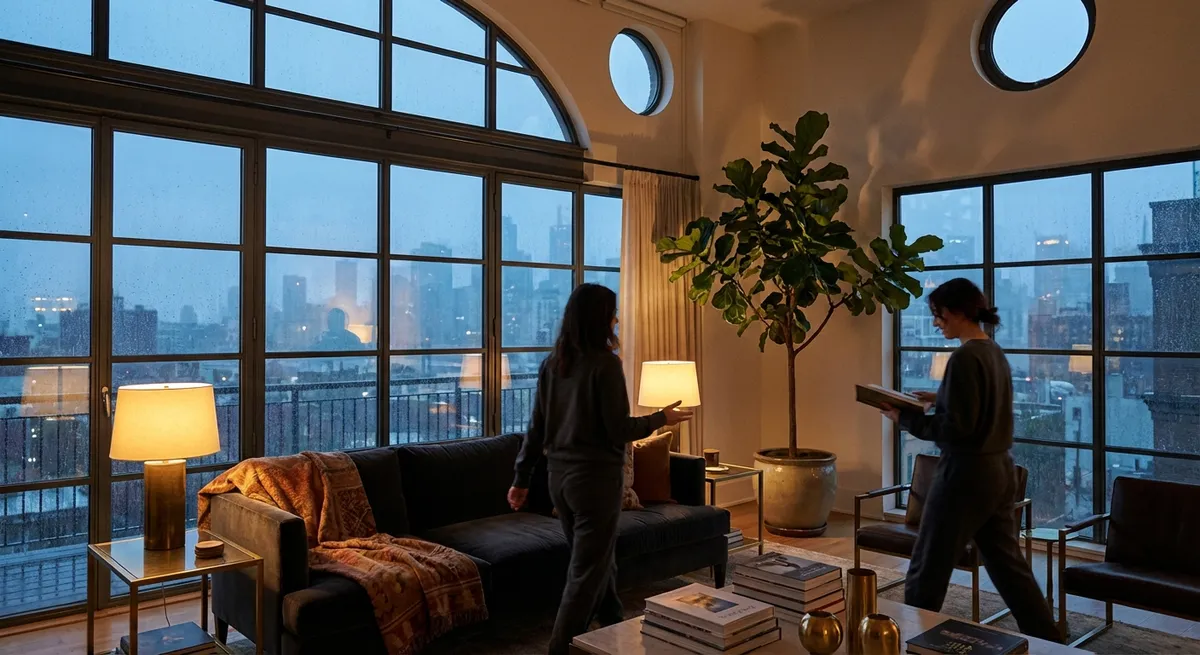
Urban loft conversions often benefit from oversized fixed windows paired with tilt-and-turn or awning elements, creating a dialogue between industrial robustness and contemporary sophistication. The right combination preserves the building’s character while addressing sound control and energy performance.
In coastal or view-centric properties, large picture windows and expansive sliding or lift-and-slide doors can erase boundaries between indoors and out. Yet the most successful installations consider solar control, glare management, and privacy as carefully as the view itself.
When window types are selected as extensions of architectural intent, they cease to be mere openings and become compositional tools—shaping how a façade reads from the street and how each room unfolds from within.
The Nuanced Performance Profile of Different Window Types
Beyond aesthetics, window types embody different performance behaviors—particularly in energy efficiency, air sealing, and everyday usability.
Casement and awning windows typically offer the most effective seals, as their sashes compress into the frame when closed. In climates with significant heating or cooling demands, this can subtly, but measurably, reduce energy loss and drafts. Their operation also encourages controlled cross-ventilation, which can decrease reliance on mechanical systems.
Double-hung and sliding windows rely on sliding seals rather than compression, which can be more vulnerable to air infiltration if poorly installed or aging. However, modern versions with advanced weatherstripping, multi-chambered frames, and insulated glass units have significantly narrowed the performance gap, making them more than adequate in many settings.
Fixed windows, by virtue of not opening, can deliver the strongest energy performance and sound reduction in the entire home. Strategically placing fixed units in areas where ventilation is less critical allows you to invest more deliberately in operable windows where you truly use them.
The interplay between operable and fixed types, as well as frame material (wood, fiberglass, aluminum-clad, composite), determines not only comfort but also maintenance rhythms over decades. Sophisticated window planning therefore considers not just the initial performance label, but how that performance will age—and how easily it can be maintained or upgraded.
Five Exclusive Insights for the Discerning Window Upgrader
The following considerations rarely appear in standard renovation guides, yet they often distinguish a merely “nice” window upgrade from one that feels resolutely elevated.
1. Visual Rhythm Matters More Than Matching Every Window Type
Many homeowners assume uniformity—one window type repeated everywhere—is the hallmark of luxury. In reality, refined homes often rely on a deliberate rhythm of types: fixed windows where drama and scale are desired, casements or awnings where controlled ventilation is essential, and discreet smaller operable elements tucked into larger glass compositions.
By varying types within a consistent design language (matching finishes, profiles, and sightlines), you create visual interest and functional nuance without visual clutter. Think of it as orchestrating a series of movements rather than repeating a single note.
2. The “Human Scale” of Operation Is a Quiet Luxury
How a window feels in the hand is part of its true luxury. The weight of the sash, the smoothness of the hardware, and the intuitive direction of operation all influence daily satisfaction.
For example, very tall double-hung windows may be visually stunning but frustrating to operate for some family members. Large casement windows can catch the wind if over-sized and poorly chosen for their exposure. High clerestory windows may be more practical as fixed or as motorized awnings, eliminating awkward manual reach.
Choosing window types that align with actual human interaction—the height at which you sit, the way you open a window for a night breeze, even which hand you naturally use—creates an elevated experience that reveals itself every day, not just in photographs.
3. Ventilation Strategy Should Guide Type Selection, Not the Other Way Around
Most projects select window types first and then accept whatever ventilation pattern results. A more refined approach begins with a ventilation strategy: How will fresh air move through the home from morning to evening, across seasons, and during different uses of each room?
Awning windows excel in sheltered courtyards and bathrooms where privacy and rain protection are priorities. Casements do well on façades that can capture prevailing breezes. Double-hungs are valuable where stratified ventilation (top and bottom sash) enhances comfort in tall rooms. Fixed units expand views in zones where mechanical or indirect ventilation is sufficient.
When window types are assigned to roles within an intentional airflow plan, the home feels calmer, fresher, and more responsive—qualities that cannot be purchased with glass specifications alone.
4. Layering Window Types with Shading Is the New Gold Standard
For sophisticated energy and comfort performance, the question is not just “Which windows?” but “Which combination of window and shading?” Picture windows facing strong sun, for example, benefit immensely from integrated exterior shading—architectural overhangs, louvers, or discreet external blinds—paired with high-performance glazing.
Operable windows can be optimized for shaded sides of the home or for times of day when sun is softer, allowing natural ventilation without excessive heat gain. In many high-end projects, fixed windows handle the brunt of the view and solar exposure, while operable casements or awnings are tucked into side walls, corners, or secondary elevations that naturally temper direct sun.
This layered approach respects the reality that light, heat, and view are not always aligned—and uses different window types as tools to harmonize them.
5. Acoustic Intent Should Quietly Influence Window Type Choices
Sound control is often treated purely as a glass specification issue (thicker, laminated, or specialized acoustic glazing). Yet window type also subtly shapes acoustic performance. Fixed windows, for example, can be the backbone of a noise-mitigation strategy in urban or near-traffic environments, as they eliminate the potential leakage from operable seals.
Casement and awning windows, when properly installed, can offer stronger acoustic performance than some sliding or older double-hung designs, simply because their compression seals are less prone to gaps over time. Strategically placing operable windows away from the noisiest façades, or limiting them to smaller openings supplemented by larger fixed panes, can refine the overall acoustic experience of the home.
The result is less a fortress and more a sanctuary: sound is edited rather than eliminated, preserving connection to the outside world while curating its intensity.
Beyond Categories: Composing with Window Types
When treated thoughtfully, window types are not discrete products but components of a larger composition—balancing light, privacy, movement, and atmosphere. The question shifts from “Which type is best?” to “What role should each type play in this particular room, in this particular climate, with this particular architecture?”
A reading nook might rely on a broad fixed pane for an immersive view, flanked by slim casements to draw in a whisper of breeze. A primary suite could combine high awning windows for night ventilation with lower fixed glass that preserves privacy while capturing daylight. A stairwell may pair tall, slender fixed windows for drama with a single, well-placed operable unit to relieve heat build-up at the top.
In this way, window types become part of the home’s choreography, supporting how you live hour by hour rather than merely satisfying building codes and catalog images.
Conclusion
Thoughtful window selection is one of the most powerful, and most underestimated, design instruments available to homeowners. The choice of window types shapes first impressions from the street, the quality of light on a winter afternoon, the character of a summer breeze, and even the quiet of a late-night conversation.
By moving beyond simple categories and embracing a curated mix of window types—anchored in architecture, refined performance, and the five insights outlined above—you transform windows from necessary openings into enduring expressions of taste and comfort. In a truly elevated home, the most luxurious element is often the one you barely notice: the way the glass, the frame, and the air beyond them feel perfectly, effortlessly resolved.
Sources
- [U.S. Department of Energy – Energy-Efficient Windows](https://www.energy.gov/energysaver/energy-efficient-windows) - Overview of window types, energy performance, and design considerations
- [Efficient Windows Collaborative (AWDI/PNNL)](https://www.efficientwindows.org/types.php) - Detailed descriptions of common window types and their performance implications
- [University of Minnesota Extension – Windows and Energy Efficiency](https://extension.umn.edu/windows-and-doors/windows-and-energy-efficiency) - Guidance on how window design choices influence comfort and efficiency
- [American Architectural Manufacturers Association (AAMA)](https://www.fenestrationandglazing.com/aama) - Industry perspectives on fenestration performance, sealing, and standards
- [National Fenestration Rating Council (NFRC)](https://www.nfrc.org/windows-doors-skylights) - Information on window performance ratings, including U-factor and solar heat gain coefficients
Key Takeaway
The most important thing to remember from this article is that this information can change how you think about Window Types.