Precision architecture does not begin with walls; it begins with openings. The windows you choose define how your home receives light, holds warmth, frames landscape, and expresses character. For homeowners considering an upgrade, “window type” is far more than a style catalog—it is a strategic design decision that touches comfort, performance, and long-term value.
This guide explores refined window types through a premium lens and offers five exclusive insights that discerning homeowners often overlook, yet quietly transform an upgrade from adequate to exceptional.
Understanding Window Types as Architectural Instruments
Most discussions of window types stop at broad categories—double-hung, casement, picture, slider. In a design-led home, these are only the opening definitions. The true distinction lies in how each type behaves within your space and climate.
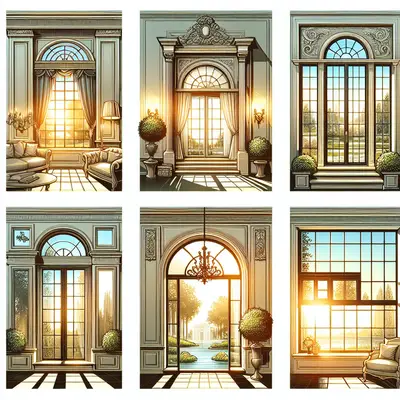
Casement windows, for instance, are not simply side-hinged units; they function as controllable air scoops, catching cross-breezes at specific angles. Picture windows are less “fixed glass” and more curated viewports, controlling what the eye sees and what the room feels like at varying times of day. Tilt-and-turn units merge ventilation, safety, and cleaning access in a single, elegant mechanism.
When thinking about types, consider three axes: movement (how the sash operates), interface (how occupants use and experience the window daily), and continuity (how the window reads as part of the façade and interior). This approach leads to a more coherent result than simply selecting a “style” per room.
Beyond the Familiar: The Modern Palette of Window Types
Today’s premium window landscape extends far beyond classic double-hung and basic sliders. Architectural possibilities now include:
- Tilt-and-turn windows with dual operating modes (in-swing and top vent), common in European design, now increasingly specified in high-performance North American homes.
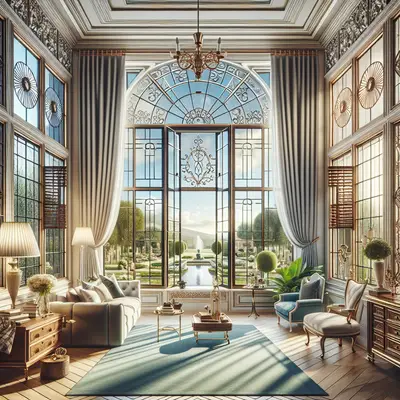
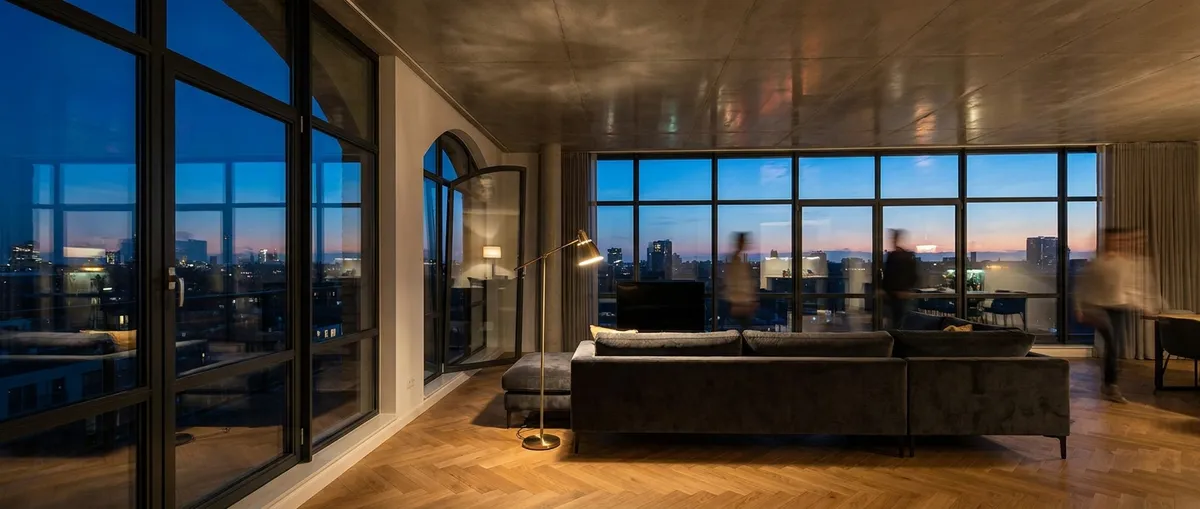
- Floor-to-ceiling fixed and operable compositions, combining picture windows with narrow casements or awnings for controlled ventilation without sacrificing panoramic glazing.
- Clerestory windows, elevated near the ceiling line, which introduce natural light while preserving privacy and wall space for art or built-ins.
- Corner windows, where mullions are minimized or eliminated, dissolving the boundary between inside and outside for a gallery-like experience.
- Lift-and-slide doors, which technically function as oversized horizontal “windows,” transforming a solid wall into a moveable glass façade.
Thinking in terms of ensembles rather than isolated units—pairing fixed with operable, vertical with horizontal, view windows with privacy windows—creates a visual rhythm that feels custom rather than catalog.
Exclusive Insight #1: Specify Window Types Room-by-Room, Not House-by-House
Many renovation projects default to one dominant window type throughout the home for convenience. A refined approach treats each room as a distinct microclimate and experience.
In living spaces, large fixed panes paired with discreet operable units can deliver expansive views while maintaining airflow. Bedrooms often benefit from tilt-and-turn or casement windows positioned to invite breezes over sleeping areas without direct drafts. Kitchens need operable windows with intuitive hardware and easy reach over counters—often awning or casement types.
By tailoring the window type to the function and feel of each room—rather than standardizing by budget line—you create a layered, intentional environment. The result is not a patchwork of mismatched windows, but a disciplined orchestration: each type selected to serve the specific behaviors the room hosts.
Exclusive Insight #2: The Orientation-Driven Window Portfolio
Window type selection becomes dramatically more powerful when guided by orientation. A south-facing elevation in a temperate climate might favor large fixed and casement combinations to welcome winter sun and controlled summer ventilation. On the west side, where light is harsher and later, narrower vertical windows or high clerestories can admit glow rather than glare.
Casements oriented to capture prevailing breezes can perform like natural ventilation equipment, particularly when paired across the room for cross-flow. Fixed units strategically placed on views while operable windows shielded by overhangs are chosen on performance logic, not just aesthetics.
Mapping orientation, sun path, and wind patterns before choosing window types elevates the upgrade from decorative to climatic—your windows become calibrated instruments, not generic openings.
Exclusive Insight #3: How Window Types Define Acoustical Character
Noise control is often discussed in terms of glazing and frame materials, but the type of window significantly influences acoustic behavior. Certain opening mechanisms inherently provide better seals when closed, which can dramatically shape the sound profile of a room.
Casement and tilt-and-turn windows typically compress their seals as they close, often outperforming basic sliders for sound attenuation when combined with quality frames and glazing. Fixed windows, with no moving parts, can become acoustic anchors in noisy exposures, deployed generously on the loudest elevations and complemented by a few carefully placed operable units.
In premium projects, it is common to assign more fixed windows to façades facing traffic, flight paths, or urban activity, reserving more operable types for quieter garden or courtyard sides. Thinking of window types as acoustic tools gives you control over how your home “sounds,” not just how it looks.
Exclusive Insight #4: The Maintenance Intelligence of Different Window Types
Luxury is as much about ease of living as visual effect. The way a window opens—and whether it needs exterior access for cleaning—has long-term implications.
Tilt-and-turn windows, for example, allow you to clean exterior glass from inside, highly practical for upper floors without compromising aesthetics with exterior cleaning systems. Awning windows shed rain while open, ideal for climates prone to brief showers. Conversely, large fixed windows may require professional access solutions if installed in hard-to-reach façades.
By considering maintenance pathways when selecting window types, you preserve the clarity of your glazing over time, ensuring those expansive views remain crisp rather than hazed by neglected exterior layers.
Exclusive Insight #5: Layering Window Types to Express Architectural Intent
The most quietly striking homes rarely rely on a single window type. Instead, they layer different types to express hierarchy and narrative.
Primary façades might feature tall, elegant casements in formal rooms, while secondary elevations lean on more discreet awning or slider units for service spaces. A suite of floor-to-ceiling fixed panes in a main living area can culminate in a fully operable lift-and-slide system at the terrace, signaling the threshold between interior calm and outdoor living.
Using window types to signal importance—larger or more expressive types in principal rooms, more restrained versions in secondary areas—creates an architecture that “reads” clearly. Your eye instinctively understands where the home’s center of gravity lies.
Selecting Window Types with a Long-Horizon Mindset
A well-considered window upgrade is not simply an aesthetic refresh; it is a reconfiguration of how your home lives over decades. Moving beyond generic style categories and into a more nuanced dialogue about function, orientation, sound, maintenance, and hierarchy allows you to specify types that feel both tailored and timeless.
As you evaluate options, view each window type as an instrument in a carefully tuned ensemble. The true luxury is not in any single impressive pane of glass, but in how every opening contributes—quietly, precisely—to the comfort, performance, and character of your home.
Sources
- U.S. Department of Energy – Efficient Windows Selection - Overview of how different window types and designs impact energy performance
- Efficient Windows Collaborative – Window Types - Detailed explanations of major window operating styles and performance considerations
- Architectural Digest – Window Styles and Design Considerations - Design-focused guidance on choosing window types to suit architecture and lifestyle
- Green Building Advisor – Window Operation and Performance - Technical insight into high-performance window choices, including opening types and sealing quality
- University of Minnesota Extension – Passive Solar and Window Orientation - Research-based discussion of window orientation, sun path, and how openings affect interior comfort
Key Takeaway
The most important thing to remember from this article is that this information can change how you think about Window Types.