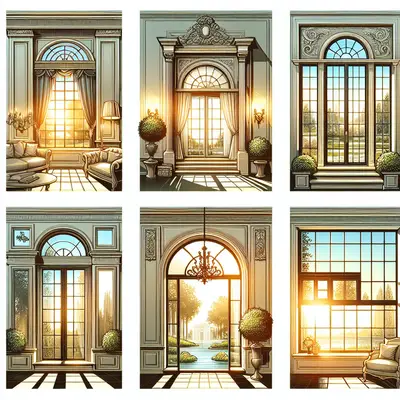
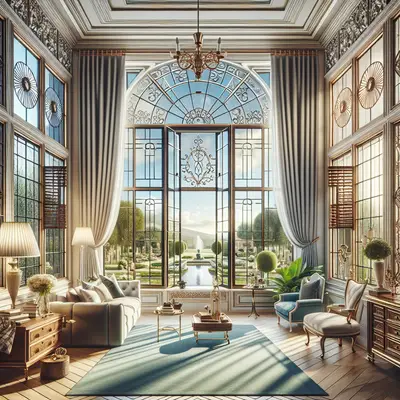
Windows are not mere apertures in a wall; they are curated frames for light, proportion, and atmosphere. For the design-led homeowner, choosing the right window type is as much an exercise in architectural editing as it is a functional decision. The profiles you select—sleek or sculpted, expansive or jewel-box small—quietly define how your home feels from dawn to dusk.
This guide explores refined window types through a discerning lens, then offers five exclusive insights that sophisticated homeowners consistently use to elevate their upgrades from “new windows” to an intentional architectural composition.
The Architectural Role of Window Types
Before comparing styles, it helps to view windows as architectural instruments rather than generic components. Each type of window contributes differently to rhythm, proportion, and the choreography of light across your interiors.
Fixed picture windows, for instance, are the visual “pauses” of a façade—silent, dramatic, and often generous in scale. Casement windows, with their side-hinged operation, introduce a tailored verticality and invite directional breezes. Awning windows act almost like architectural eyebrows, shielding openings while permitting ventilation even in light rain. Meanwhile, sliding and gliding windows emphasize horizontal lines, pairing naturally with modernist or coastal expressions where the horizon is a design cue.
The choice among double-hung, casement, awning, sliding, tilt-turn, and specialty shapes is not simply aesthetic; each dictates how you will interact with your environment—how you clean, ventilate, filter noise, and capture views. The most successful homes treat window types as part of a cohesive language, not a catalog of disconnected selections.
Distinct Window Types for a Refined Palette
A sophisticated window plan rarely relies on a single type; rather, it assembles a curated family of profiles that serve different purposes while sharing a consistent design DNA.
Casement windows are often favored in premium projects for their clean sightlines and superior sealing performance. Their single sash allows for larger panes of uninterrupted glass, ideal for clients seeking minimal visual interruption. European-style tilt-turn windows go a step further, offering both inward tilt for subtle ventilation and full inward swing for easy cleaning and egress—appealing in urban luxury residences and high-rise settings.
Awning windows are discreet workhorses, frequently placed above tubs, kitchen counters, or clerestory bands where privacy and airflow must co-exist. Double-hung windows—traditional, yes, but far from outdated—remain indispensable in historically sensitive restorations or classic American architecture, especially when paired with narrow muntin profiles and high-end hardware.
Architectural or specialty windows—arched, trapezoidal, circular, or custom-angled—can function as signature design moments. When thoughtfully integrated, they are less ornament and more punctuation: a half-round addressing a gable, a slim vertical slot window dramatizing a stair, or a geometric composition that subtly references the home’s structural grid.
Five Exclusive Insights for the Discerning Homeowner
These five considerations go beyond familiar talking points like “energy efficiency” and “curb appeal.” They are the nuanced levers that sophisticated homeowners use to transform a window upgrade into a long-term architectural investment.
1. Sightlines Are a Luxury Detail—Not a Footnote
The elegance of a window is often determined by what you do not notice: frame thickness, sash depth, and the visual interruptions between panes. Premium window systems invest heavily in slim, structurally robust profiles that maximize glass and minimize visual clutter.
Before committing, examine:
- Frame-to-glass ratio: How much of the opening is actual glass versus frame and sash?
- Consistency of mullion widths: Do vertical and horizontal members align cleanly from one window type to another?
- Profile depth: Deeper, bulkier frames can feel heavy in minimalist interiors, while thin but structurally sound frames visually “float.”
Standard windows may meet code, but a refined project benefits from a manufacturer that treats sightlines as a design discipline rather than an afterthought.
2. Ventilation Strategy Matters More Than You Think
Most homeowners choose window types on appearance, then discover—too late—that the home either feels stuffy or excessively drafty. Sophisticated design begins with a ventilation plan, not a style board.
- Casements and tilt-turns excel at catching cross-breezes and can direct airflow more precisely than sliders or fixed units.
- Awnings mounted higher on a wall can release warm air without sacrificing privacy.
- Operable clerestory windows in double-height spaces create a subtle “chimney effect,” drawing heat upward and out.
Consider which rooms benefit from strong airflow (kitchens, bathrooms, upper-level bedrooms) and pair them with window types chosen expressly for their ventilation performance. This approach allows you to use more expansive fixed windows elsewhere, confident that fresh air is handled strategically, not haphazardly.
3. Context-Specific Noise Control Starts With Type, Not Just Glass
Acoustic calm is a hallmark of sophisticated living, particularly in urban or high-traffic settings. While upgraded glazing (laminated, thicker panes, wider air gaps) is crucial, window type itself meaningfully influences sound control.
- Casement and tilt-turn windows typically compress against their frames with multi-point locking, creating tighter seals than many sliding or double-hung units.
- Fixed picture windows usually deliver the strongest acoustic performance because they eliminate operable joints altogether.
- Strategic mixing—fixed windows facing the noisiest exposures with select high-performance operable units for ventilation—can produce an environment that feels far removed from the surrounding noise.
Discuss decibel reduction targets, not just “quiet windows.” A credible plan will recommend specific combinations of window types, glass packages, and seals for each façade rather than a single one-size-fits-all solution.
4. Interior Architecture Should Dictate Exterior Window Choices
Refined projects reverse the typical sequence: they start from the interior experience, then extend outward. Instead of simply “evenly spacing” windows across the exterior, sophisticated planning aligns window types with furniture, art, joinery, and circulation.
Consider:
- Sill height vs. furniture placement: A low picture window may be ideal for a lounge area but awkward behind a desk or headboard.
- Operable vs. fixed adjacent to built-ins: Fixed units over cabinetry or shelving maintain crisp sightlines and avoid awkward hardware interference.
- Window type vs. window treatment: Tilt-turn and casement windows work beautifully with minimal or integrated shading but can conflict with certain curtain configurations.
The result is a façade that reads effortlessly composed because every window position and type is in quiet dialogue with interior life, not in competition with it.
5. Specialty Windows Are Most Powerful When Used Sparingly—and Intentionally
Statement windows are compelling, but restraint is what separates sophisticated design from visual noise. Circular, arched, floor-to-ceiling, or multi-panel combinations should serve a clear narrative purpose.
Use specialty types to:
- Anchor a singular focal point, such as a dramatic stairwell, dining space, or framed landscape element.
- Resolve challenging volumes, like vaulted ceilings or angled rooflines, with geometric windows that echo the structure.
- Introduce light as a sculptural element, such as a high slot window that paints a moving band of sunlight across a textured wall.
Rather than scattering unusual shapes throughout the home, treat them as curated pieces in a gallery—each with a reason, a vantage point, and a role in the overall composition.
Aligning Window Types With Your Long-Term Vision
A window upgrade is one of the few interventions that reshapes both the silhouette of your home and the character of its interiors. Choosing types without a coherent strategy can yield a patchwork of styles; selecting them with intention can deliver a home that feels considered from every angle.
Approach the process as you would commissioning bespoke millwork or curated lighting: define the mood, understand the spatial choreography, and insist that every window type earns its place. When sightlines, ventilation, acoustics, interior architecture, and statement moments are all working in concert, your windows transcend function. They become precision instruments—calibrated for light, comfort, and enduring elegance.
Sources
- U.S. Department of Energy – Window Types and Technologies – Overview of common window types and their performance considerations
- Efficient Windows Collaborative – Window Selection Guidance – Technical guidance on matching window types and designs to climate and performance goals
- U.S. Environmental Protection Agency (ENERGY STAR) – Residential Windows, Doors, and Skylights – Criteria and recommendations for high-performance residential window products
- University of Minnesota – Window Selection and Placement for Passive Solar Design – Discussion of window placement, solar gain, and comfort (archived but still relevant)
- Andersen Windows – Window Styles and Operating Types – Manufacturer overview of different window styles, with details on operation and use cases
Key Takeaway
The most important thing to remember from this article is that this information can change how you think about Window Types.