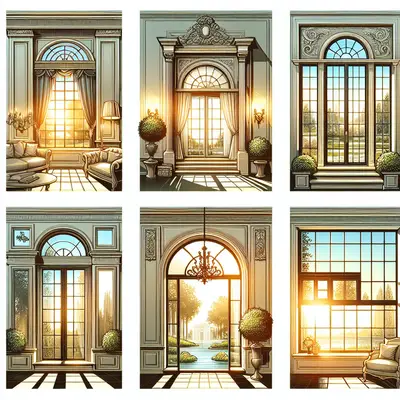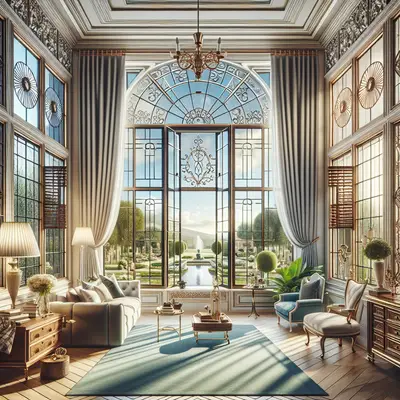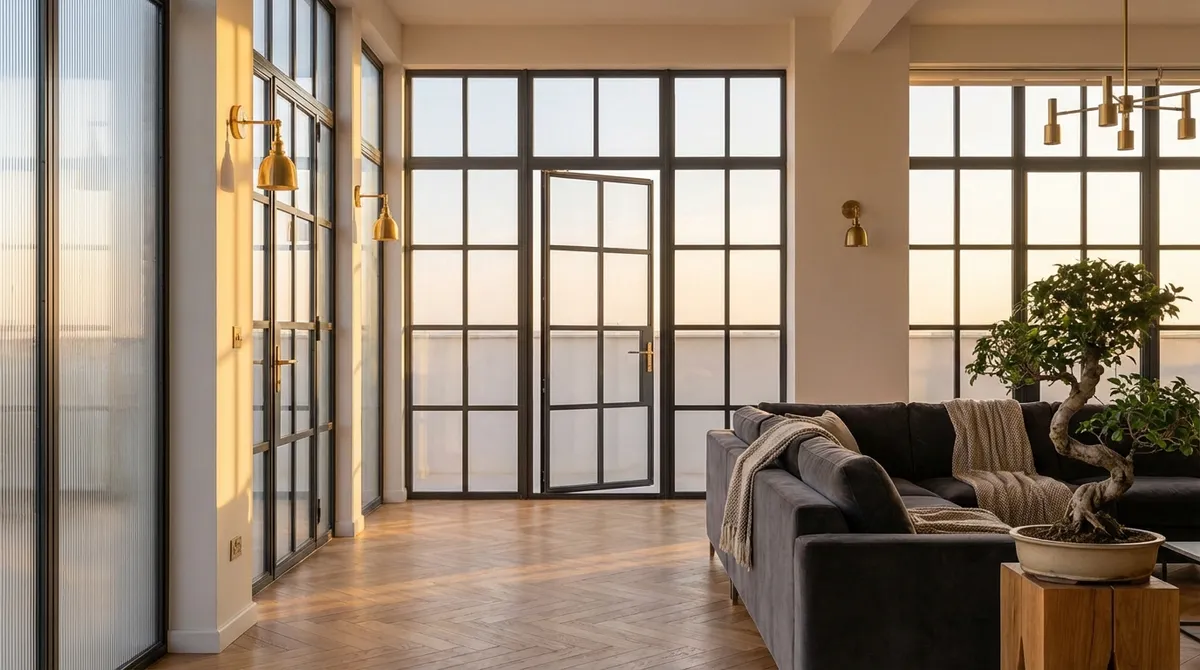
Windows are not merely apertures in a wall; they are architectural instruments that choreograph light, frame the landscape, and quietly signal the level of thought invested in a home. For discerning homeowners, the choice of window type is less a functional decision and more an act of curation—an opportunity to align performance, aesthetics, and long-term value with precision.
This guide explores how different window types can be orchestrated to elevate your home, with five exclusive insights that matter deeply when you are no longer satisfied with “standard” solutions.
Understanding Window Types as Architectural Language
Every window type—casement, awning, picture, double-hung, slider, tilt-and-turn, corner glazing, or custom configurations—communicates a particular architectural dialect.
Casement windows, with their clean vertical lines and unobstructed openings, feel inherently contemporary and work particularly well in spaces where ventilation control and clarity of sightline are paramount. Awning windows introduce an almost nautical precision, ideal for higher placements or spaces requiring privacy without sacrificing daylight. Picture windows function like curated artwork: immovable, elegantly silent, and entirely focused on framing the exterior as a living canvas.
Traditional double-hung windows signal heritage and restraint; their balanced proportions suit historic or transitional homes, while modern iterations with slim profiles and improved seals avoid the visual heaviness of older models. Sliding windows convey horizontal ease and pair well with low, expansive facades. European-style tilt-and-turn windows offer a dual personality—secure ventilation when tilted and generous openings when turned—appealing to those who value both engineering finesse and flexibility.
Rather than defaulting to a single type throughout the house, the most elevated interiors treat window selection as a layered composition: different types, chosen intentionally for each room’s function and character.
Exclusive Insight #1: Align Window Types with the “Light Profile” of Each Room
Sophisticated design begins with understanding how light moves through your home over the day and across the seasons. Each room has a “light profile”: intensity, direction, duration, and desired mood. The right window type is the tool you use to refine that profile.
North-facing spaces, often starved of direct sun, benefit from larger picture windows or tall casements that maximize soft, even daylight without overheating. East-facing kitchens or breakfast rooms may call for a blend of operable casements and fixed panels, allowing you to capture morning light while controlling glare with targeted openings. South-facing living areas, especially in colder climates, can leverage expansive fixed glazing paired with operable sidelights—drawing in winter warmth while still offering cross-ventilation when needed.
In west-facing rooms, particularly those intended for evening relaxation, select window types that accommodate strategic shading. Deep-set picture windows with side casements or awnings permit layered drapery, exterior shading, or integrated blinds within the glazing, allowing nuanced control over late-day brightness. In internal spaces requiring privacy—bathrooms, dressing areas, or home spas—smaller awning windows placed higher on the wall or narrow vertical casements can invite daylight without compromising discretion.
When you choose the window type based on the anticipated light profile rather than simply matching existing styles, the home moves from being merely well-lit to being atmospherically tuned.
Exclusive Insight #2: Use Window Operation as a Subtle Comfort Strategy
Operation style is often treated as a footnote—until you live with it daily. For a refined home, how a window opens, how it feels in the hand, and how it manages airflow should be as deliberate as the choice of flooring or hardware.
In rooms where you entertain frequently, such as living and dining spaces, casement or tilt-and-turn windows allow you to “tune” cross-breezes with surgical precision. Being able to angle a sash to catch or deflect wind creates a more comfortable experience than simply cracking a sliding sash and hoping for the best. Above deep countertops (such as in kitchens), awning windows or modern sliders mounted slightly higher prevent awkward reaching and maintain clean sightlines to the exterior.
In bedrooms, quiet operation matters. Well-engineered casement or tilt-and-turn units often seal more tightly and open with a smoother, less rattling motion than some traditional double-hung units, making nighttime ventilation more discreet. For tall or hard-to-reach spaces—stairwells, clerestory windows, or over-scaled foyer glazing—consider motorized awning or hopper windows, integrated subtly into the frame, so that ventilation can be commanded effortlessly rather than requiring visible poles or ladders.
When operation is chosen with this level of nuance, windows become instruments of comfort management rather than mere openings.
Exclusive Insight #3: Pair Window Types to Architect a Cohesive Façade
From the street, an elevated home seldom reveals a random assortment of window shapes and sizes. Instead, a considered façade uses a vocabulary of window types in a rhythm that feels deliberate and composed.
On more formal elevations, pairing large picture windows with flanking casement or double-hung units allows you to maintain exterior symmetry while ensuring interior functionality. For example, a restrained grid of identical picture windows at the main level, combined with vertically oriented casements at the upper floor, can echo traditional proportions while reading distinctly modern thanks to slim frames and minimal mullions.
On side or rear elevations, where design can be bolder, combining stacked awning windows with full-height fixed units can create a pattern of horizontal “light bands,” ideal for contemporary architecture. Corner windows—where two panes meet with minimal or no visible post—can dramatically dissolve the boundary between interior and exterior. Pairing these corner conditions with more conventional casements or tilt-and-turn units elsewhere avoids visual chaos while still granting one or two signature moments.
For historic or heritage-inspired homes, you can preserve the language of double-hung or divided-lite windows at the front, while quietly deploying higher-performing casements or tilt-and-turn windows on less visible elevations. This strategy respects architectural authenticity while upgrading day-to-day experience and efficiency.
A façade curated through thoughtful pairing of window types achieves something subtle yet unmistakable: it looks intentional from every angle.
Exclusive Insight #4: Let Window Type Support Acoustics, Privacy, and Zoning
Beyond light and views, different window types can help you acoustically and visually “zone” your home—critical for urban properties, homes near busy roads, or residences where some spaces must be profoundly quiet.
Fixed and tilt-and-turn windows, often with deeper frames and multi-point locking systems, lend themselves well to advanced acoustic glazing. Placing these in bedrooms, studies, and nurseries can carve out quiet sanctuaries even in active neighborhoods. In contrast, more frequently used or sociable spaces—kitchens, family rooms, covered terraces—may be better served by operable casements, sliders, or bi-fold configurations that open generously to outdoor living areas.
In bathrooms and spa-like suites, carefully dimensioned awning windows in frosted or patterned glass add daylight and ventilation high on the wall, preserving serenity while avoiding direct sightlines. For multi-story homes, stairwells and landings often benefit from tall, narrow fixed windows or slender casements: these draw in light, elongate the space vertically, and do so without introducing views directly into private zones.
By assigning specific window types to specific “acoustic and privacy roles,” your home functions more like a series of composed environments than a collection of rooms.
Exclusive Insight #5: Think in Modular Systems, Not Isolated Units
Sophisticated window planning rarely happens one opening at a time. Instead, it treats windows as modular components in a broader system, allowing you to assemble tailored compositions from a consistent underlying framework.
Many premium manufacturers offer families of windows—fixed, casement, awning, tilt-and-turn, and doors—built on shared sightlines and frame depths. This means you can create expansive wall-to-wall assemblies that mix multiple types without visual discord. Imagine a living room elevation consisting of a central floor-to-ceiling picture window, flanked by operable casements, with a transom band of awning windows above—all reading as one coherent system rather than a patchwork.
This modular approach is especially powerful when planning future phases of renovation. Starting with a high-quality system now allows you to extend the same family of window types to other elevations later, preserving consistency across additions or remodels. It also simplifies maintenance and hardware replacement, since many components are shared across the line.
When windows are understood as a system rather than isolated purchases, the result is not just better aesthetics but a more resilient, future-ready home.
Conclusion
The most memorable homes are defined less by conspicuous features and more by the quiet precision of their decisions. Window types—fixed or operable, vertical or horizontal, traditional or contemporary—are one of the most powerful tools you have to orchestrate light, comfort, and character.
By aligning each window type with the room’s light profile, desired operation, façade composition, acoustic needs, and a coherent system of components, you move beyond “new windows” into the realm of curated openings. The result is a home that feels not only more beautiful, but more considered—every view framed, every breeze calibrated, every line of the architecture refined.
Sources
- [U.S. Department of Energy – Efficient Windows](https://www.energy.gov/energysaver/design/windows-doors-and-skylights) - Overview of window design considerations, including types, placement, and performance factors.
- [Efficient Windows Collaborative – Window Selection Guidance](https://www.efficientwindows.org/selection.cfm) - Detailed guidance on selecting window types for different climates, orientations, and applications.
- [National Park Service – Window Types and Historic Character](https://www.nps.gov/tps/how-to-preserve/briefs/9-wooden-windows.htm) - Insight into how window types influence architectural character, especially in traditional and historic homes.
- [Harvard Graduate School of Design – Daylighting and Architectural Form](https://research.gsd.harvard.edu/zofnass/menu/reading-material/daylighting-in-architecture/) - Context on how apertures and window configurations affect daylighting quality in interior spaces.
- [University of Minnesota Extension – Window Options and Performance](https://extension.umn.edu/energy-efficient-homes/selecting-windows) - Practical discussion of window operation styles, comfort, and performance considerations for residential upgrades.
Key Takeaway
The most important thing to remember from this article is that this information can change how you think about Window Types.