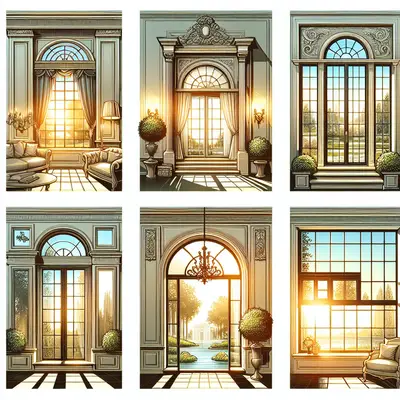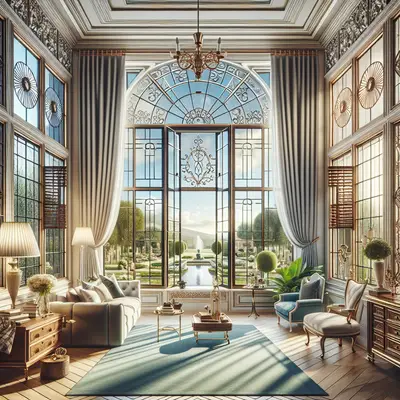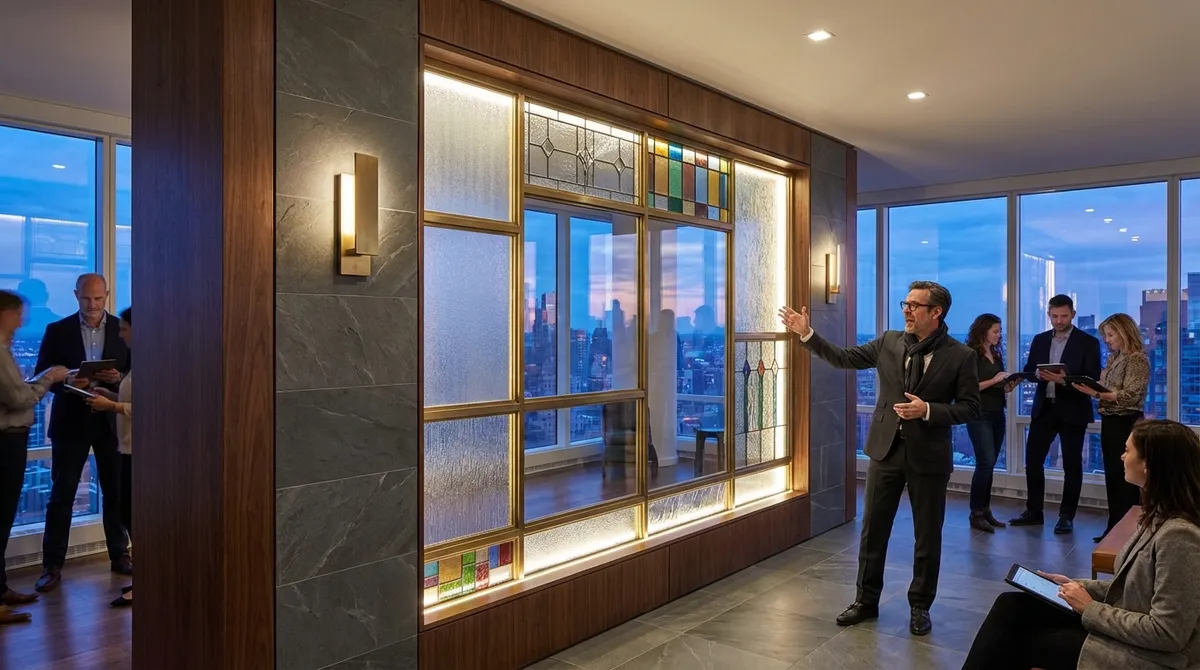
Windows are no longer mere openings in a wall; they are architectural instruments that choreograph light, silence, and comfort. For the discerning homeowner, selecting window types is a design decision, a performance choice, and a long-term financial strategy. Understanding how each window type behaves—visually, acoustically, thermally, and functionally—transforms “buying windows” into an exercise in curation.
Below, we explore window types through a refined lens and highlight five exclusive insights that sophisticated homeowners quietly rely on when planning an upgrade.
The Architectural Character of Fixed vs. Operable Windows
The starting point in any elevated window plan is the balance between fixed and operable units. Fixed windows—picture windows, architectural “view frames,” and minimally framed glass walls—excel at delivering uninterrupted sightlines and improved energy performance, thanks to fewer moving parts and reduced opportunities for air leakage. They are the purest expression of glass as architecture.
Operable windows—casement, awning, double-hung, sliding, tilt-and-turn—introduce a different kind of luxury: controlled air, nuanced ventilation, and tactile interaction. A well-placed casement window catching a prevailing breeze can make mechanical cooling feel almost optional during shoulder seasons. Awning windows, hinged at the top, allow gentle ventilation even in light rain, preserving comfort when weather is unpredictable.
The most elevated homes rarely choose one or the other; they choreograph both. Fixed panes anchor views and frame architectural gestures, while strategically located operable windows become “breathing points,” quietly enhancing indoor air quality and overall comfort.
Exclusive Insight #1: High-end projects increasingly favor “fixed-first, operable-strategic” planning—larger fixed units for drama and performance, with curated operable windows placed only where ventilation has real functional value, such as cooking zones, sleeping areas, and cross-breeze corridors.
Casement, Awning, and Tilt‑Turn: The Precision Ventilation Trio
Among operable types, casement, awning, and tilt-turn windows dominate in refined, performance-led projects. These styles close tightly against their frames, often achieving superior air sealing compared with traditional double-hung units. For homeowners seeking a quieter, more thermally consistent interior, these three types frequently sit at the top of the shortlist.
Casement windows function as subtle wind scoops, catching and directing breezes into a room. Awning windows, with their top hinge, excel in bedrooms, bathrooms, and protected facades where you want fresh air regardless of light rain. Tilt-turn windows, popular in Europe and increasingly specified in premium North American homes, combine a secure top-tilt ventilation mode with a side-swing door-like opening for maximum air and ease of cleaning.
Beyond pure function, these window types deliver a clean, contemporary aesthetic with slim profiles that complement modern architecture. When paired with high-performance multi-point locking hardware, they also offer a reassuring sense of solidity and security.
Exclusive Insight #2: In sophisticated builds, one window type rarely dominates the entire home. Designers might specify tilt-turns for upper-level bedrooms (quiet, secure tilt ventilation), casements for main-level living spaces (breeze capture and wide egress), and discreet awnings for baths (privacy and constant, controlled ventilation).
Classic Double-Hung and Sliding Windows, Reimagined
Double-hung and sliding windows have long been the workhorses of residential architecture. While they are sometimes dismissed as “standard,” modern versions can be quietly transformed with premium materials, upgraded hardware, and advanced glass packages.
Double-hung windows retain undeniable charm in traditional and transitional homes. The ability to lower the top sash and raise the bottom sash allows warmer air to escape above while cooler air enters below—simple yet surprisingly effective natural ventilation. With upgraded weatherstripping, insulated frames, and high-performance glazing, they can rival the efficiency of more “cutting-edge” styles.
Sliding windows, especially in larger formats, provide expansive horizontal views and easy operation along decks, patios, and secondary façades. When designed with slim frames and quality rollers, they can echo the feel of a minimalist picture window that just happens to slide open.
Exclusive Insight #3: For homes with a strong architectural narrative—historic, coastal, or classically inspired—double-hung windows with carefully chosen grille patterns and exterior finishes can preserve the home’s character while delivering a performance level that quietly exceeds the original construction by several generations.
Specialty Shapes, Bay, and Bow Windows: Sculpting Space and Light
Specialty shapes—arched, circular, trapezoidal, triangular—and multidimensional windows such as bay and bow units shape more than light; they sculpt interior volume. These window types create alcoves for reading, dining nooks bathed in morning light, and elevated seating zones that feel almost like private lounges within the home.
Bay windows, typically composed of a central fixed unit flanked by angled operable windows, push outward from the façade, adding a sense of expansion without a full structural addition. Bow windows, which use a gentle arc of multiple units, create softer, more organic curves that suit both traditional and refined contemporary homes.
Specialty shape windows at the gable, stairwell, or over entry doors contribute a bespoke signature: a precisely placed half-round or triangular window can transform a standard elevation into something quietly memorable. In performance-focused projects, these shapes are increasingly specified with the same high-performance glazing and insulated frames used in primary windows, ensuring that design flourishes do not compromise thermal performance.
Exclusive Insight #4: In premium renovations, designers often “reserve” specialty shapes and bay/bow windows for high-impact moments—formal dining, primary suites, stair landings—rather than scattering them everywhere. This selective use creates a curated sense of drama and makes each distinct window type feel intentional, not ornamental.
Material Matters: Framing the Right Window Type for Your Climate
The same window type can perform and age very differently depending on the frame material. The elevated homeowner evaluates window type and framing material together, treating them as a single, integrated decision.
Wood frames, especially in high-end clad wood windows, bring warmth, depth, and exquisite interior detailing. Exterior cladding (usually aluminum or fiberglass) shields the wood from weathering while preserving the tactile character inside. Aluminum frames offer slim sightlines and strong structural support, particularly valuable for expansive fixed and sliding units, though thermal breaks and advanced glazing are essential in harsher climates.
Vinyl and fiberglass frames, while less romantic, deliver strong energy performance and low maintenance in a wide range of window types. Fiberglass, in particular, stands out for dimensional stability—important for large casements, tilt-turns, and picture windows where structural rigidity affects long-term operation and air seal.
Exclusive Insight #5: In genuinely climate-savvy projects, homeowners do not default to one frame material throughout. They may commission wood-clad showpiece windows in primary living spaces, fiberglass for large, structurally demanding openings, and premium vinyl or fiberglass in secondary rooms—each matched to a specific window type and performance demand, rather than a single “one-size” material decision.
Conclusion
Selecting window types at a premium level is less about choosing “a style you like” and more about orchestrating a homewide experience. Fixed windows create cinematic views; casement, awning, and tilt-turn units fine-tune ventilation; double-hung and sliding windows quietly honor tradition and function; specialty shapes and bays sculpt space and light. When each type is paired thoughtfully with the right materials and placed where it has meaningful work to do, windows become one of the most sophisticated investments in the home.
For homeowners on the cusp of a window upgrade, thinking in terms of curated window types—rather than catalog categories—sets the stage for a home that feels calmer, brighter, and remarkably tailored to the way you live.
Sources
- [U.S. Department of Energy – Types of Windows](https://www.energy.gov/energysaver/types-windows) - Overview of common window types and their energy implications
- [ENERGY STAR – Energy-Efficient Windows](https://www.energystar.gov/products/building_products/residential_windows_doors_and_skylights) - Guidance on performance criteria and certified window products
- [Efficient Windows Collaborative – Window Selection](https://www.efficientwindows.org/selection.php) - In-depth discussion of frame materials, glazing, and style considerations
- [Building America Solution Center (energy.gov) – Window and Door Systems](https://basc.pnnl.gov/resource-guides/windows-and-doors) - Research-based best practices for window design and installation
- [National Fenestration Rating Council](https://www.nfrc.org/) - Independent ratings on window performance, including U-factor and solar heat gain coefficients
Key Takeaway
The most important thing to remember from this article is that this information can change how you think about Window Types.