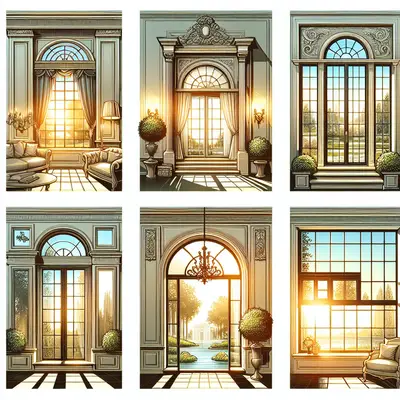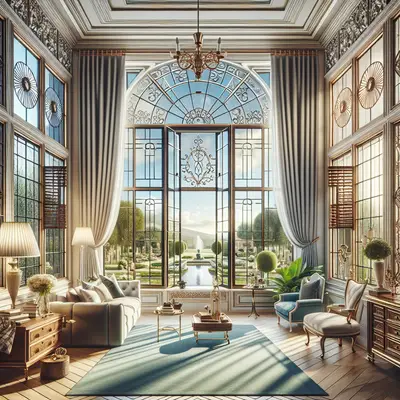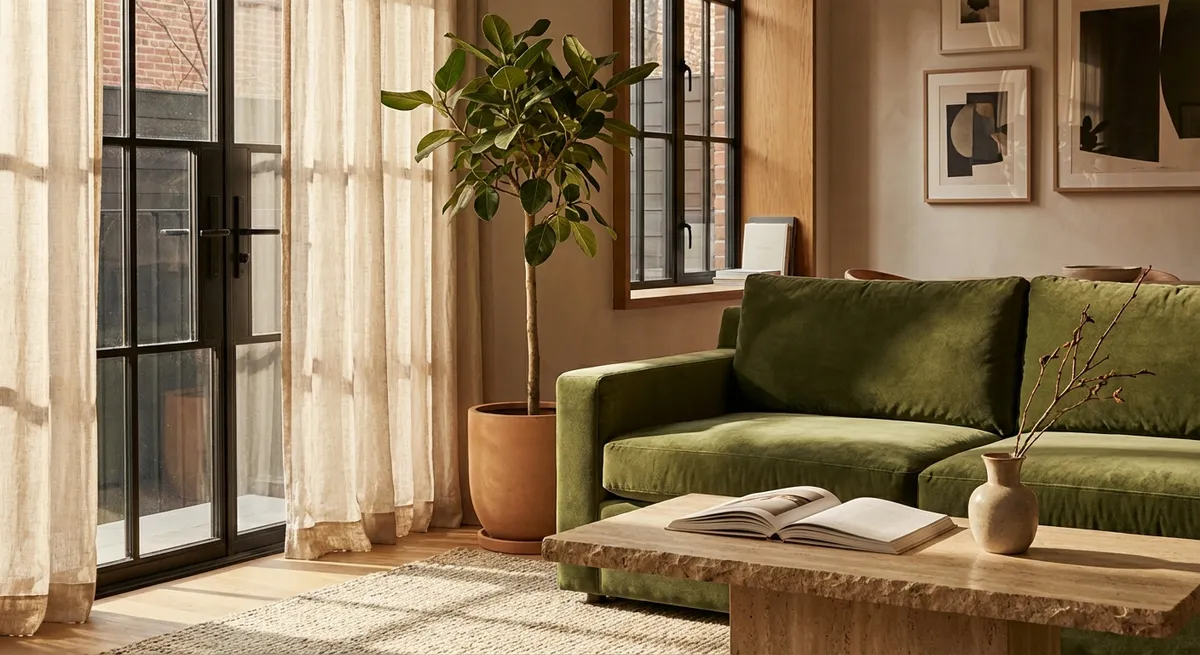
Windows are not merely openings in a wall; they are curated thresholds between your interior world and the landscape beyond. The right window types refine light, choreograph views, and quietly elevate daily rituals. For homeowners contemplating an upgrade, choosing among casement, picture, double-hung, awning, tilt-turn, and specialty windows is less a technical exercise and more an act of intentional design—one that touches architecture, comfort, acoustics, and long-term value.
Below, we explore how to think about window types with a connoisseur’s eye, and highlight five exclusive insights that discerning homeowners consistently appreciate once they step beyond the showroom gloss.
Reading the Room: Matching Window Types to Architectural Intent
Before comparing specifications, begin with the language of your home’s architecture. Window types should complete that sentence, not contradict it.
In a traditional or transitional residence, double-hung windows often feel archetypal, echoing historic proportions and offering balanced sightlines with divided lites. By contrast, a contemporary or minimalist home may be better served by expansive picture windows or slim-frame casements that create large, undisturbed panes of glass and emphasize horizontality.
Sightlines are crucial: the thickness of frames, mullions, and meeting rails defines how “quiet” or “busy” your fenestration appears. Casement and tilt-turn windows, which open via a side or pivot hinge, typically allow narrower frames and more glass. In a design that prioritizes clean geometry and long views, this can be transformative.
Ultimately, think of each elevation as a composition. A fixed picture window might anchor the living area, flanked by operable casements for ventilation. A stairwell could be treated as a vertical gallery with stacked, narrow windows. Consider each wall, not as “where windows go,” but as a canvas asking what kind of light, privacy, and perspective it deserves.
Performance in Disguise: Beyond the Obvious Window Categories
To the untrained eye, most window types fall into a few familiar labels—double-hung, slider, casement, picture. Yet the decisions that define your daily experience often occur within the nuances of each type.
Casement windows, for instance, excel in capturing breezes by acting like small sails when opened outward; this makes them ideal on elevations facing prevailing winds. Awning windows, hinged at the top, admit ventilation even in light rain, making them a refined choice above bathtubs, kitchen counters, or in secondary spaces where discreet airflow is welcome. Tilt-turn windows, common in high-end European homes, combine security, tight sealing, and versatile operation while delivering an exceptionally clean aesthetic.
Fixed picture windows, often dismissed as static, can be the quiet heroes of a space: they deliver the most efficient glazing, the largest uninterrupted views, and the leanest sightlines. Paired thoughtfully with operable windows nearby, they form a finely tuned ensemble that balances light, air, and thermal performance.
Rather than selecting a single dominant type for the entire home, it’s often more elegant to compose a restrained mix—prioritizing performance and proportion over strict uniformity. When done well, the result feels cohesive and intentionally layered, not chaotic.
Five Exclusive Insights for the Discerning Window Upgrader
1. Frame Profiles Control the “Mood” of Daylight
Most homeowners focus on glass; connoisseurs pay equal attention to the frame. The thickness, depth, and color of frames subtly influence how daylight reads in a room.
Slim aluminum or fiberglass frames paired with large panes create crisp, gallery-like light—ideal for contemporary interiors and art collections. Slightly deeper, softer profiles in wood or wood-clad frames yield a warmer, more domestic glow, especially when paired with muted finishes. Even the interior frame color matters: darker frames visually “punch out” the view and can make exteriors feel more cinematic; lighter frames blend into walls, making daylight feel softer and more diffused.
When evaluating window types, request to see full-size corner samples, not just small cut pieces. Assess how the frame’s depth sits against your wall thickness and millwork. This is the point where practical construction details and visual poetry quietly meet.
2. Operability Strategy Is a Long-Term Luxury
Upgrades often focus on glass specs and aesthetics, but the subtle luxury lies in how you actually open and live with your windows over decades. Certain types age more gracefully in everyday use.
Casement, awning, and tilt-turn windows offer single-handle operation and tight compression seals, which can be easier for children, older adults, and anyone with limited grip strength. Double-hung windows provide flexible ventilation—warm air out the top, cooler air in from the bottom—but demand precise installation and regular maintenance to glide effortlessly.
Think in terms of “operability zones.” High windows over a kitchen counter? Awning units with crank hardware are typically more practical than double-hung or sliders. Tall narrow windows beside a soaking tub? Tilt-turn or casement windows with ergonomically placed handles can be opened without stretching or leaning dangerously. The right pairing of window type and hardware transforms operation from a chore to an intuitive, almost invisible pleasure.
3. Different Window Types Shape Acoustics as Much as Views
Sound control rarely tops the wish list—until it becomes a problem. Certain window configurations are inherently better at managing urban noise, traffic, or even exuberant neighborhood activity.
Fixed picture windows, with no moving sashes, often provide superior sound isolation when paired with high-quality glazing. Casement and tilt-turn windows, which close with compression seals against the frame, can outperform sliding or double-hung units with weatherstripping that wears more noticeably over time. In bedrooms facing busy streets or flight paths, a strategy that favors fixed and compression-seal operable units can be the difference between “acceptable” and truly serene.
If noise is a concern, consider how mixed window types can reinforce acoustic performance: for example, a primary sleeping area with a core of fixed and casement windows, while secondary elevations or less noise-sensitive rooms (like utility or guest spaces) employ sliders or double-hung windows where acoustic demands are lower.
4. Large Glass Areas Demand a Ventilation Counterbalance
Expansive picture windows and floor-to-ceiling glazing are alluring, but every significant fixed pane should be balanced by a considered ventilation plan. The finest homes feel fresh without obvious drafts or reliance on aggressive mechanical conditioning.
Each major view window—especially those in living rooms, dining rooms, and home offices—benefits from a companion operable unit nearby. Slim casements or awnings tucked to the side or above a large picture window introduce controllable airflow without compromising the purity of the view. On multi-level homes, pairing lower-level casements with upper-level awning or tilt-turn windows can create a natural stack effect, drawing cooler air in and exhausting warmer air without constant HVAC intervention.
The insight here: do not let the seduction of a single oversized fixed window dictate the entire elevation. Instead, choreograph a composition where the primary viewing pane is complemented by discreet operable partners that keep the space breathable and alive.
5. Specialty and Corner Windows Are Structural Decisions, Not Just Aesthetic Flourishes
Corner glazing, eyebrow windows, clerestories, and other specialty types are among the most striking upgrades in refined homes—but they carry structural and performance implications that deserve careful attention.
A glass-to-glass corner window can visually dissolve the building edge and deliver a remarkable panoramic effect. Yet the absence of a traditional corner post shifts loads elsewhere, demanding coordinated structural design and meticulous installation. Similarly, sweeping arched or custom-shaped windows add distinct character but may limit operable options, impact shading strategies, and require bespoke coverings.
The guiding principle: treat specialty window types as architectural features, not catalog add-ons. Involve your architect or structural professional early, ensure that energy performance (U-factor, solar heat gain) remains aligned with the rest of your fenestration, and confirm that replacement or repair in 10–20 years will still be viable. When approached with this level of rigor, specialty windows become lasting signatures rather than future liabilities.
Material and Type: Pairing for Performance and Refinement
Window type selection should always be considered alongside frame material and glazing choices. A casement in all-aluminum construction, for example, will behave very differently from a wood-clad tilt-turn or a composite double-hung, even when they occupy similar openings.
Wood and wood-clad windows often appeal to those seeking a warm interior ambiance and traditional joinery details, especially in classic or transitional homes. Fiberglass and high-performance composites offer excellent dimensional stability—meaning frames resist warping and maintain tighter seals over time—making them ideal companions for large casement, awning, and picture units in demanding climates. Thermally broken aluminum frames, when properly specified, can deliver ultra-slim profiles for contemporary designs while maintaining respectable insulation.
Glazing packages should nuance the intent of each window type. Large south- or west-facing picture windows may call for high-performance low-E coatings that mitigate heat gain, while smaller, shaded casements might prioritize visible light transmission to keep spaces bright. By pairing each window type with purpose-built glazing, you elevate the entire envelope from “upgraded” to “beautifully calibrated.”
Designing a Cohesive Window Story Across the Home
As you refine your window selection, aim for coherence rather than strict uniformity. Casements can coexist with double-hung units, and picture windows can harmonize with awnings, as long as several threads remain consistent: frame color, proportion, alignment, and a clear rationale for where each type is used.
Start with a simple hierarchy. Perhaps primary public spaces (living, dining, main stair) are celebrated with large fixed and casement combinations, secondary spaces (bedrooms, studies) favor tilt-turn or double-hung for flexible ventilation, and service areas (laundry, baths) rely on compact awnings or sliders. Overlay this with a consistent frame finish and carefully aligned mullions, and the result will feel like a curated suite rather than a piecemeal collection.
This is the level at which truly premium window upgrades distinguish themselves: they do not merely install better units; they articulate a point of view about light, privacy, and the rhythm of daily life, expressed through a disciplined selection of window types.
Conclusion
The most satisfying window upgrades rarely hinge on a single product or feature. They emerge from a thoughtful orchestration of window types, materials, and details that respect your architecture, your climate, and the way you actually live.
By looking beyond generic labels and embracing nuance—frame profiles, operability zones, acoustic needs, specialty units, and ventilation balance—you move from “replacing windows” to composing a refined envelope. The result is an interior that feels calmer, more luminous, and quietly more luxurious, every time you glance toward the view.
Sources
- [U.S. Department of Energy – Energy-Efficient Window Attachments](https://www.energy.gov/energysaver/energy-efficient-window-attachments) - Overview of how different window strategies affect energy use and comfort
- [Efficient Windows Collaborative – Window Selection Guidance](https://www.efficientwindows.org/selection.php) - Detailed guidance on window types, glazing, and performance metrics
- [National Fenestration Rating Council (NFRC)](https://www.nfrc.org/windows-doors-skylights/) - Independent information on window performance ratings and what they mean
- [Pella – Window Styles Overview](https://www.pella.com/windows/styles/) - Visual and technical comparison of common residential window types
- [Marvin – Understanding Window Materials](https://www.marvin.com/plan/inspiration/understanding-window-materials) - Explanation of how frame materials interact with form, performance, and design
Key Takeaway
The most important thing to remember from this article is that this information can change how you think about Window Types.