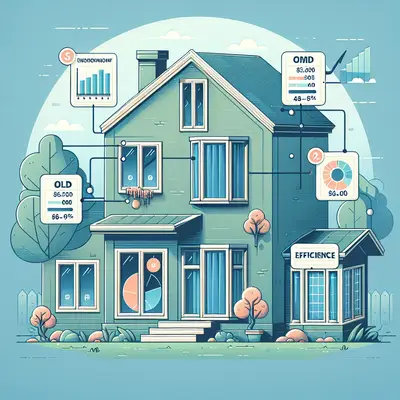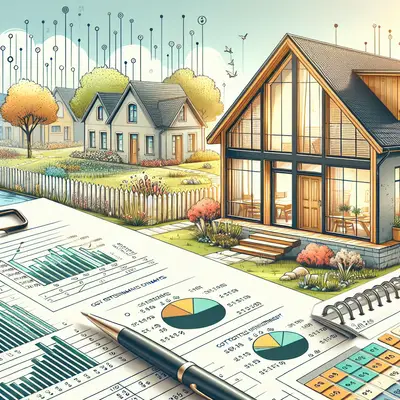
For the discerning homeowner, new windows are less a “project” and more a capital reallocation: moving funds from invisible inefficiencies into visible comfort, quiet, and architectural polish. Yet behind every graceful sash or slimline frame lies a surprisingly intricate cost structure. Understanding it—beyond line‑item quotes—allows you to invest with intent, not impulse, and to curate window solutions that feel as intelligent as they look.
Below, you’ll find a refined cost analysis framework, plus five exclusive insights that sophisticated homeowners quietly rely on when deciding how far, how soon, and where to upgrade.
Understanding What You’re Actually Paying For
The price of a window upgrade is rarely about the glass alone. It is an orchestration of materials, performance options, labor sophistication, and long‑horizon value.
Material choice sets the baseline: vinyl, fiberglass, aluminum‑clad, and true wood all carry distinct pricing tiers and maintenance trajectories. Glass packages—double vs. triple pane, low‑E coatings, gas fills, and warm‑edge spacers—shape not just your energy use but also your interior comfort, UV protection, and acoustic profile. Hardware quality, finish options, and custom sizes or shapes compound costs further, especially in architecturally distinctive homes.
Then there is installation: standard replacements in accessible openings are entirely different, cost‑wise, from structural modifications, masonry cuts, or historic restorations. Finally, soft costs—permits, inspections, potential lead‑paint protocols, and post‑installation finishing—can quietly add 10–20% to a project. When you examine your quote through this layered lens, you’re no longer comparing “price per window,” but the caliber of the window system and its execution.
The Lifetime Math: How Windows Behave as a 20‑Year Asset
Treating new windows as a 20‑ to 30‑year asset reframes the entire cost conversation. Instead of focusing only on the initial outlay, it’s helpful to consider three arcs: operating costs, maintenance demands, and exit value when you eventually sell.
High‑performance windows can significantly reduce heating and cooling loads, especially in climates with substantial seasonal swings. Energy Star–rated units, for example, can meaningfully trim utility costs over time; the exact savings hinge on your climate, existing windows, and HVAC efficiency. Maintenance is the second arc: low‑maintenance frames (like fiberglass or high‑end vinyl) and durable finishes can reduce repainting, refinishing, and repair costs over decades.
The third arc is exit value. Well‑chosen windows can elevate appraisal perceptions, boost curb appeal, and reduce objections during buyer inspections—particularly around drafts, condensation, and noise. When you annualize the net cost over the product’s expected service life, premium options often look far more rational than they initially appear, especially when they solve multiple issues simultaneously.
Exclusive Insight #1: Your Climate Zone Quietly Dictates the Smartest Spend
One of the most underappreciated levers in cost analysis is climate zoning. Where you live doesn’t just influence your aesthetic; it governs which upgrades actually deliver a financial return versus those that are purely indulgent.
In colder regions, investing in higher‑performance glazing (lower U‑factor, appropriate low‑E coatings, and possibly triple pane) can cut heat loss and improve comfort near large expanses of glass. In hot or mixed climates, solar heat gain coefficient (SHGC) becomes critical—investing more in coatings that manage solar gain can reduce air conditioning loads and prevent interior fading. Coastal and hurricane‑prone zones may require impact‑resistant glass and reinforced framing; while these come at a premium, they can enable insurance benefits and, in some regions, are mandated by code.
By aligning your spend with your climate zone’s specific performance needs, you avoid gratuitous upgrades that look impressive on paper but produce minimal real‑world benefit—and you direct budget into components your home will genuinely leverage.
Exclusive Insight #2: The Most Expensive Window Is the One You Replace Twice
A common temptation is to “split the difference” with mid‑tier products that appear to balance price and quality. Yet windows are uniquely unforgiving of under‑investment: poor frame stability, weaker seals, or sub‑par coatings may not fail spectacularly—but they will quietly erode performance and aesthetics long before their nominal lifespan.
Premature fogging between panes, warped frames that affect operation, or finishes that fade or peel can all lead to partial replacements, repair interventions, or a full second project years earlier than expected. When you factor in duplicated labor, renewed interior disruption, and the lost savings from sub‑optimal insulation, that initial “value” choice often becomes the costliest route.
A more strategic approach is to prioritize durability and performance in the openings that are hardest to access, most exposed, or most architecturally central—entry façades, double‑height spaces, and large scenic windows—while using more modest options in less critical locations. This layered specification approach preserves budget without creating weak points that force you into early re‑investment.
Exclusive Insight #3: Frame Material Is Really a Maintenance Contract in Disguise
On paper, the cost differences between wood, aluminum‑clad, fiberglass, and premium vinyl can seem like simple line items. In practice, they function as long‑term maintenance contracts, each with its own cost curve.
True wood frames deliver warmth and authenticity that many refined homes demand, but they require vigilant upkeep, particularly in moisture‑heavy or sun‑intense environments. Every repaint or refinishing cycle carries both a financial and logistical cost. Aluminum‑clad wood and fiberglass attempt to reconcile beauty with resilience: the exterior face resists weathering, while the interior preserves the visual richness of wood or a clean, contemporary profile.
High‑end vinyl, when well‑specified and tastefully finished, can offer exceptional durability and energy performance with minimal upkeep, though it may not match the tactile sophistication of wood in certain architectural styles. When evaluating quotes, it’s useful to project not just the purchase price, but the likely cadence of future refinishing, potential swelling or warping risks, and how tolerant you are of patina versus pristine surfaces. Your chosen frame is essentially a contract with your future self.
Exclusive Insight #4: Installation Complexity Can Outweigh Product Upgrades
For luxury or architecturally distinct homes, installation often becomes the dominant cost driver—sometimes rivaling or surpassing the premium paid for the windows themselves.
Structural changes, such as enlarging openings, converting standard windows into floor‑to‑ceiling glass, or introducing new transoms and sidelites, can trigger engineering consultations, framing modifications, and sometimes foundation or header reinforcement. Historic properties may require preservation‑sensitive techniques, custom millwork, and careful coordination with local guidelines. Multi‑story access, specialty scaffolding, and interior protection for high‑value finishes (stone floors, bespoke millwork, custom plaster) all add layers of time and labor.
From a cost‑analysis standpoint, this means a modest upgrade in product quality can be a surprisingly efficient investment when the installation is already complex. Once you’ve committed to the scaffolding, the protection, and the skilled crew, the incremental cost to step up to a more robust or refined window is often a fraction of the total project—yet yields a noticeably higher long‑term dividend in performance and aesthetics.
Exclusive Insight #5: Strategic Phasing Protects Cash Flow Without Compromising Elegance
Full‑home window replacements can be capital‑intensive, especially when paired with other envelope upgrades, such as roofing or façade work. For many refined homeowners, the more intelligent path is a phased strategy that respects both cash flow and design coherence.
By analyzing your home’s envelope performance, you can identify “priority elevations”: west‑facing glass subjected to intense sun, draft‑prone original units in key living areas, or aging frames in moisture‑rich spaces like bathrooms and pool rooms. Beginning with these high‑impact zones captures the largest comfort and efficiency gains first. Subsequent phases can then address secondary spaces, always aligning material and style choices so that the eventual whole feels continuous rather than piecemeal.
This approach also lets you observe how specific products age in your real conditions over a few years before committing the entire residence. Phasing becomes less a compromise and more a live‑testing protocol—one that refines your specifications and ensures that, when the last window is installed, your investment has been guided by both data and lived experience.
Conclusion
A sophisticated window upgrade is as much a financial composition as it is an aesthetic one. When you look beyond sticker prices and begin to weigh climate, durability, maintenance, installation complexity, and strategic phasing, the numbers start to tell a very different story—one in which thoughtfully chosen windows quietly enhance comfort, protect finishes, moderate energy use, and elevate your home’s value for decades.
By applying a refined cost lens and leveraging the insights above, you transform your window project from a reactive expense into a deliberate, long‑term asset—one that frames not just your view, but the way your home lives, feels, and performs.
Sources
- U.S. Department of Energy – Windows, Doors and Skylights – Overview of window performance, energy considerations, and selection guidance
- ENERGY STAR – Energy Efficient Windows – Details on performance criteria, climate‑based recommendations, and potential savings
- National Association of Realtors – 2023 Remodeling Impact Report – Data on resale value, owner satisfaction, and perceived ROI of various home improvements, including windows
- U.S. Environmental Protection Agency – Climate Zones for Energy Efficiency – Explains how climate zones influence building envelope choices and energy outcomes
- Penn State Extension – Window Selection and Placement – Educational guidance on window types, placement, and performance factors in residential design
Key Takeaway
The most important thing to remember from this article is that this information can change how you think about Cost Analysis.