When you invest in elevated windows, you are not merely replacing glass and frames—you are curating a long‑term experience of light, comfort, and architectural poise. Yet even discerning homeowners can underestimate how nuanced the cost landscape truly is. The most expensive window on paper may be the least costly over a decade; the “mid-range” option might be quietly eroding value with every heating bill.
This cost analysis is designed for those who think in terms of total ownership, not just upfront spend. Below, you’ll find five exclusive, often-overlooked insights that reshape how to evaluate the real financial intelligence behind a window upgrade.
The Lifetime Cost Curve: Why “Cheaper” Windows Age Expensively
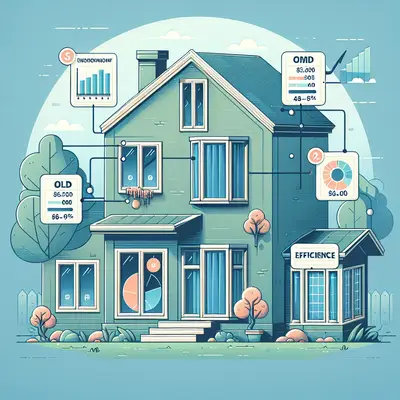
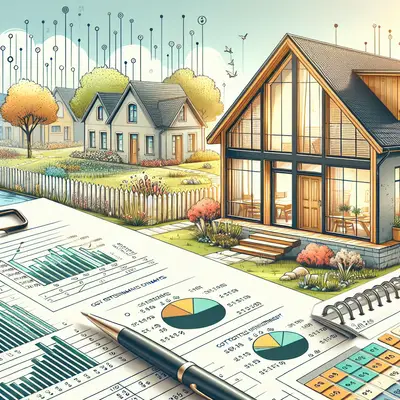
For a premium residence, a better question than “What do these windows cost?” is “What do they cost per year of performance?” The lifetime cost curve reframes the conversation from price tags to value over time.
High-quality windows typically carry higher material and installation costs, yet they often sit on a gentler cost curve: they lose performance more slowly, require fewer interventions, and maintain their visual integrity longer. Lower-tier products, by contrast, may degrade in invisible ways—subtle drafts, warped frames, clouded panes—that quietly accumulate financial and aesthetic losses.
From a refinement standpoint, it’s also about how gracefully the window ages alongside the home. A carefully engineered frame with superior finishes, resilient seals, and advanced glazing will often preserve both architectural clarity and thermal performance for decades. When you model cost per year—factoring in energy savings, reduced maintenance, and extended replacement cycles—true premium options can become the most economical choice, particularly in larger homes where each efficiency gain compounds across dozens of openings.
Exclusive Insight #1: Evaluating windows by cost per year of reliable performance (not just warranty length) reveals that well-specified, high-end units often outperform “budget” options financially over a 15–25 year horizon.
Thermal Precision as a Financial Instrument, Not Just a Comfort Feature
It is easy to see energy efficiency as a comfort luxury—warmer winters, cooler summers, quieter interiors. In a sophisticated cost analysis, however, thermal performance functions as a financial instrument with a measurable yield.
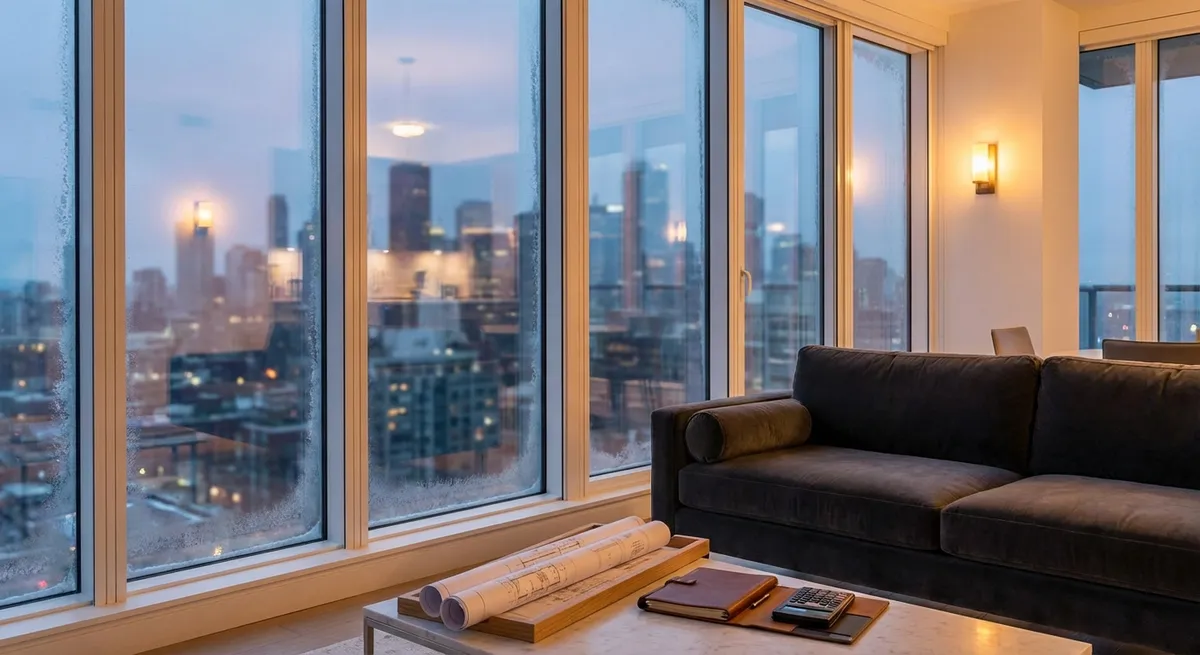
Metrics like U-factor, solar heat gain coefficient (SHGC), and visible transmittance are not merely technical curiosities—they define how hard your HVAC system must work, season after season. In colder climates, elite triple-pane or advanced double-pane systems with low-emissivity coatings can diminish heat loss sharply; in warm or mixed climates, carefully tuned glazing can reduce solar gain while preserving daylight, lowering cooling loads without resorting to heavy shading.
There is also a compounding effect: premium windows often work in concert with upgraded insulation, efficient equipment, and intelligent controls. The better each envelope component performs, the more pronounced the savings—and the greater the resilience if energy prices rise.
Exclusive Insight #2: For energy-conscious luxury homes, elite glazing can behave like a low-risk, slow-but-steady financial asset: an upfront capital allocation that pays a structured “dividend” every month in the form of lower utility bills and reduced mechanical strain.
Material Integrity: How Frame Choices Shape Long-Term Value
The choice among wood, aluminum-clad wood, fiberglass, steel, or high-end composites is often framed as aesthetic—but the cost narrative is deeper and more intricate.
- Wood (architectural-grade) offers unmatched warmth and customizability but demands intelligent finishing and occasional refinishing. In a controlled maintenance regime, these windows can last for decades and retain a level of visual richness that sustains property value.
- Aluminum-clad wood pairs the interior elegance of timber with robust exterior protection, significantly moderating long-term maintenance costs in demanding climates.
- Fiberglass and high-performance composites excel in dimensional stability and low maintenance, keeping seals tight and operation effortless. Where thermal movement is a concern, these materials preserve performance and alignment with minimal intervention.
- Steel or ultra-thin profile systems deliver an architectural statement—the visual minimalism commands a premium, but the long-term cost profile hinges on meticulous fabrication, finishing, and detailing against corrosion and thermal bridging.
Over two or three decades, micro-failures—warping, expansion, seal fatigue—can be more expensive than any single repair. Materials that maintain dimensional stability and protect seals preserve the window’s original specification, meaning you continue to receive the performance you paid for.
Exclusive Insight #3: The “cheapest” frame is often the one that best preserves alignment, seal integrity, and finish over time—because it protects the performance you initially invested in, rather than forcing you to repurchase it through repairs and premature replacement.
Intelligent Customization: When Bespoke Design Reduces Overall Spend
Customization is usually synonymous with added cost. In refined window planning, strategic customization can instead curate costs—concentrating investment where it matters most, and simplifying where it does not.
Thoughtful design can reduce the number of individual units, rationalize sizes, and standardize hardware families. This can lower fabrication complexity, streamline installation, and reduce points of potential failure. For example, replacing a cluster of small, inconsistent apertures with fewer, larger, well-proportioned units can decrease framing labor, improve sightlines, and often enhance thermal performance by reducing linear feet of frame and mullions.
Advanced daylight modeling can also reveal where upgrading to ultra-high-performance glass meaningfully affects interior comfort and energy usage—and where a more restrained specification is prudent. The result is a nuanced package: elevated glass and frame performance in the most demanding orientations and spaces, complemented by intelligent simplicity elsewhere.
Exclusive Insight #4: Bespoke does not have to mean “extravagant everywhere.” A curated mix of performance levels—investing heavily in critical exposures and flagship rooms while specifying refined, but quieter solutions in secondary spaces—often yields a more elegant home and a more disciplined budget.
Resale Optics: How Windows Quietly Influence Perceived Property Value
While kitchens and bathrooms often headline real estate listings, expertly chosen windows exert a subtler but powerful influence on how a property is perceived and valued.
Prospective buyers instinctively respond to the interplay of natural light, clarity of glass, frame proportions, and acoustic calm. High-performance windows can make interiors feel composed and serene: fewer drafts, reduced street noise, more consistent temperatures, and crisper views. These are not always line items on a listing sheet, yet they shape buyer psychology—and, in competitive markets, purchase decisions.
There is also an inspection dimension. Modern, energy-efficient windows with visible quality—robust hardware, pristine seals, aligned frames—signal a home that has been thoughtfully upgraded. This can shorten time on market and support stronger offers, particularly when documentation is available (manufacturer data, energy reports, and transferable warranties).
Exclusive Insight #5: In elevated properties, premium windows often function as a silent negotiator: they don’t merely recoup a fraction of their cost; they enhance perceived quality, reduce buyer objections, and can subtly shift both the selling timeline and final price in your favor.
Conclusion
A truly sophisticated window upgrade is not a simple exchange of old frames for new glass. It is a calibrated investment in the home’s ongoing comfort, operating costs, aesthetic clarity, and market stature.
By thinking in terms of lifetime cost curves, treating thermal performance as a financial instrument, choosing materials for long-term integrity, using customization as a tool for cost discipline, and recognizing the influence of windows on resale optics, homeowners can move beyond generic quotes and into deliberately crafted value.
The most successful projects are those where every pane, frame, and opening is not just installed—but intelligently justified.
Sources
- U.S. Department of Energy – Windows, Doors and Skylights - Technical guidance on window efficiency metrics, materials, and energy performance considerations
- Efficient Windows Collaborative (NFRC) - Detailed information on how to evaluate window performance, including U-factor, SHGC, and climate-appropriate selection
- ENERGY STAR – Residential Windows, Doors and Skylights - Criteria, savings estimates, and program details for energy-efficient window products
- National Association of Realtors – 2023 Remodeling Impact Report - Data on resale value and buyer perception of various home upgrades, including windows
- Lawrence Berkeley National Laboratory – Windows and Daylighting - Research on advanced glazing, daylighting, and their effects on building energy use and comfort
Key Takeaway
The most important thing to remember from this article is that this information can change how you think about Cost Analysis.