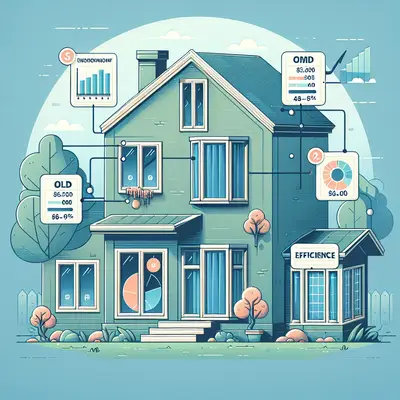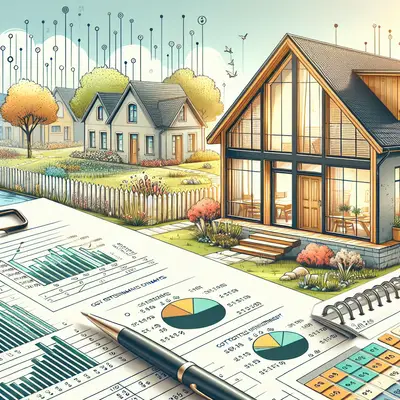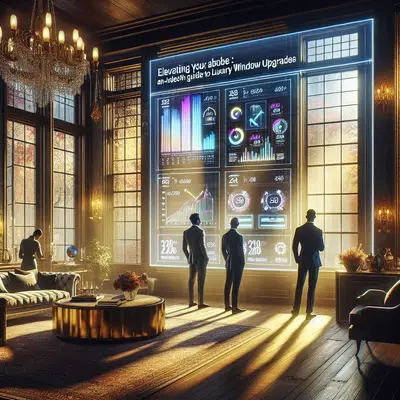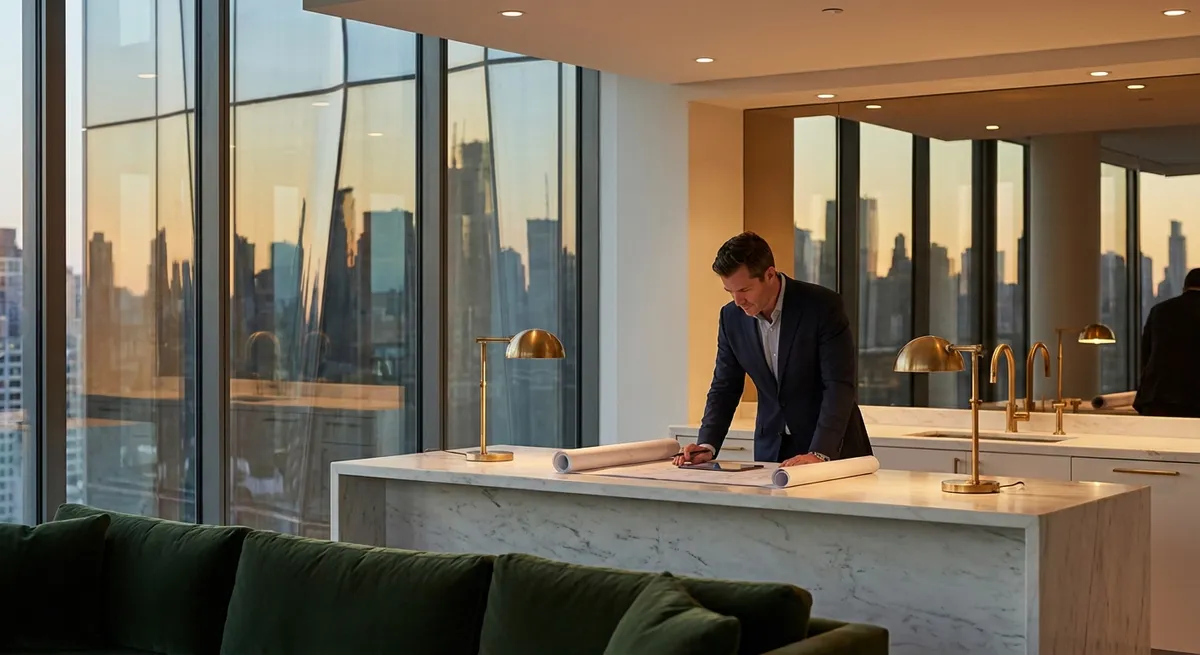
For the discerning homeowner, window upgrades are rarely about glass alone. They are about comfort calibrated to the degree, silence curated like a soundtrack, and light sculpted to flatter both architecture and art. Yet even the most refined projects can falter when the financial narrative is reduced to a simple price-per-window comparison. A sophisticated cost analysis reveals a more nuanced picture—one in which long-term performance, risk mitigation, and lifestyle dividends matter as much as the initial check you write.
Below are five exclusive insights that move beyond basic budgeting and into the realm of strategic, high-caliber decision-making for window upgrades.
Insight 1: The “Comfort Premium” Is Quantifiable—Not Just Emotional
Luxury windows are often described in atmospheric terms—warmer in winter, cooler in summer, softer acoustics, more flattering daylight. But comfort is not an abstract indulgence; it has measurable economic value.
Upgraded glazing with low-emissivity (Low-E) coatings, insulated frames, and gas-filled cavities can significantly reduce heat loss in winter and heat gain in summer. The U-factor and solar heat gain coefficient (SHGC) are not merely technical labels; they are proxies for how consistently your interiors maintain their target temperature and how hard your HVAC system must work to achieve it. Over time, this translates into lower utility bills and reduced mechanical strain on heating and cooling equipment, which can defer or even prevent costly system replacements.
There is also an increasingly recognized productivity and wellness component. Stable interior temperatures and improved daylighting reduce discomfort and fatigue, which subtly but meaningfully influence work-from-home performance and day-to-day satisfaction with your living environment. When viewed over a 10–20 year horizon, the “comfort premium” emerges as a rational investment, not an indulgent add-on.
Insight 2: Lifetime Window Economics Demand a 3-Lens View: Performance, Durability, and Risk
An advanced cost analysis of window upgrades must move beyond the conventional “payback period” calculation that focuses solely on energy savings. A sophisticated homeowner evaluates windows through three critical lenses: performance, durability, and risk.
Performance is the most visible dimension—energy efficiency, acoustic control, UV filtering, and ease of operation. Durability is more subtle: premium frames (such as high-grade fiberglass, aluminum-clad wood, or advanced composites), reinforced hardware, and enduring finishes mean fewer repairs, less warping, and minimal degradation of seals over time. This is where more economical windows can quietly become expensive—through recurrent service calls, repainting, or premature replacement.
Risk is the least discussed yet financially significant factor. High-quality impact-rated windows in hazard-prone areas can reduce storm damage risk, potential insurance claims, and even some premiums depending on your insurer and region. Superior locking mechanisms and laminated glass can enhance security, providing not only peace of mind but also a meaningful hedge against the costly aftermath of break-ins. When the analysis encompasses all three dimensions, higher upfront costs frequently resolve into lower lifetime ownership costs and reduced exposure to unpleasant surprises.
Insight 3: Glass Specifications Can Quietly Reshape Both Value and Resale Narrative
For many homeowners, “upgraded glass” sounds like a single option box to tick. In reality, glass selection—tint, coatings, layers, gas fill, and thickness—is one of the most precise instruments for tuning both immediate comfort and long-term financial outcomes.
High-performance Low-E glass can be tailored to your climate and façade orientation. South- and west-facing elevations in warm regions often benefit from more aggressive solar control coatings to reduce cooling loads, while colder climates may prioritize coatings that admit more heat gain while still limiting wintertime heat loss. The right combination can meaningfully lower annual energy consumption, especially in well-insulated homes where windows become a primary thermal variable.
From a resale perspective, buyers at the upper end of the market increasingly scrutinize window specifications as a proxy for overall construction quality. Documented performance values (U-factor, SHGC, visible transmittance) and brand recognition can reinforce a premium asking price. Equally important is the lived experience: quieter interiors, consistent temperatures, and protection from UV damage to floors, art, and furnishings become tangible proof points that help justify a higher valuation when it is time to sell.
Insight 4: Installation Quality Is a Hidden Line Item in Your Cost Analysis
Most homeowners compare manufacturer quotes, yet the most expensive line item on your long-term ledger is often the least visible: installation quality. Even the finest window is only as good as the precision with which it is integrated into the building envelope.
A premium installer does more than “fit” the unit. They assess the existing wall assembly, flashing details, drainage paths, and air sealing strategy. Proper integration of tapes, membranes, sealants, and insulation around the frame materially affects air infiltration, moisture control, and thermal bridging. Poorly installed high-end windows can underperform budget models installed with methodical rigor.
From a cost-analysis standpoint, this means the installation line on your proposal is not a commodity. Paying more for an installer with documented training, manufacturer certification, and a track record of low call-backs is often less expensive in the long run than opting for a lower bid that introduces water intrusion or air leaks. The cost of remediating hidden moisture damage—compromised framing, insulation, and finishes—can dwarf the initial premium for expert craftsmanship.
Insight 5: Time Horizon, Financing, and Incentives Quietly Tilt the Financial Equation
The true economics of window upgrades are profoundly influenced by how long you plan to stay, how you finance the project, and whether you capitalize on available incentives.
If you expect to own the property for only a few years, you may prioritize features that visibly enhance perceived quality and resale allure—architecturally consistent profiles, elegant hardware, and demonstrable performance certifications. For long-term ownership, deeper investments in superior frames, triple glazing in colder climates, or advanced coatings may offer superior cumulative returns through energy savings and reduced maintenance.
Financing choices further refine the calculation. If you roll the cost of windows into a low-interest home equity line or mortgage refinance, the incremental monthly payment may be partially or fully offset by energy savings, especially in inefficient homes undergoing their first major window upgrade. Incentives, such as federal tax credits, state or utility rebates, or region-specific efficiency programs, can significantly compress the effective payback period. Ignoring these programs can make an otherwise rational investment appear marginal when, in reality, the after-incentive economics are compelling.
A genuinely premium cost analysis does not stop at “How much will this cost me today?” It asks, “How precisely will these windows shape my costs, comfort, and flexibility over the next decade or two—and how can I structure the project to align with my financial strategy?”
Conclusion
The finest window upgrades are not defined solely by their aesthetics or their brand names, but by the intelligence of the decisions that bring them into your home. When you factor in quantifiable comfort, long-horizon performance, installation quality, tailored glass specifications, and strategic use of incentives, the economics of premium windows become both clearer and more compelling.
For homeowners who view their property as a carefully curated asset rather than a mere address, window upgrades are an opportunity to synchronize architecture, comfort, and capital. A refined cost analysis does not aim to minimize spending at all costs—it aims to ensure that every dollar spent is performing at the same level of excellence as the windows themselves.
Sources
- [U.S. Department of Energy – Energy-Efficient Window Attachments](https://www.energy.gov/energysaver/energy-efficient-window-attachments) – Overview of how advanced window technologies influence energy performance and comfort
- [ENERGY STAR – Residential Windows, Doors and Skylights](https://www.energystar.gov/products/residential_windows_doors_and_skylights) – Technical criteria, performance metrics, and guidance on selecting efficient windows
- [Efficient Windows Collaborative (National Fenestration Rating Council)](https://www.efficientwindows.org/selection.php) – Detailed explanations of U-factor, SHGC, climate-specific recommendations, and cost considerations
- [U.S. Department of Energy – Low-E Storm Windows and Panels Study](https://www.energy.gov/eere/buildings/articles/low-e-storm-windows-and-panels-study) – Research-based insights on energy savings and comfort benefits from improved glazing solutions
- [IRS – Energy Efficient Home Improvement Credit](https://www.irs.gov/credits-deductions/energy-efficient-home-improvement-credit) – Official information on federal tax credits available for qualifying window and door upgrades
Key Takeaway
The most important thing to remember from this article is that this information can change how you think about Cost Analysis.