Upgrading windows in a discerning home is rarely about chasing the lowest bid. It is about calibrating performance, aesthetics, and long-term value with the quiet precision of a well-constructed investment portfolio. For homeowners accustomed to thinking in terms of legacy rather than lifecycle, a sophisticated cost analysis moves beyond the surface numbers on a proposal and into the subtler economics of comfort, resilience, and architectural coherence.
This article unpacks the financial dimension of elevated window solutions through five exclusive insights—each designed for homeowners who expect more from their spaces, and from their spreadsheets.
Reframing “Cost” as a Portfolio of Returns
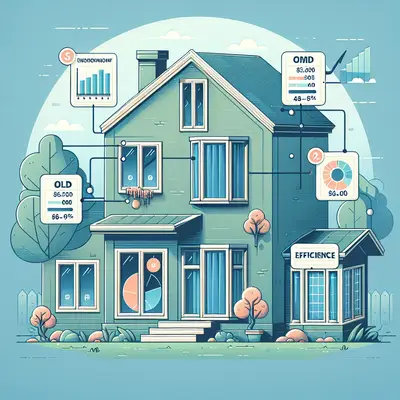
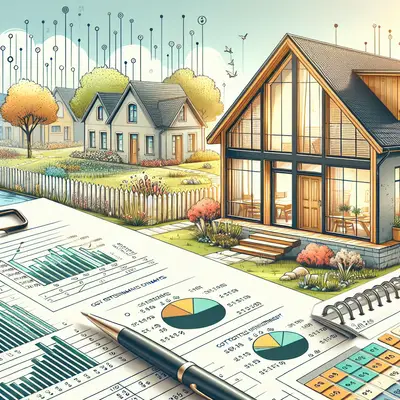
Treating window upgrades as a simple expense underestimates their strategic role in a home’s financial and experiential performance. A premium window package, especially when tailored to climate and façade orientation, participates in multiple return streams at once: reduced energy consumption, lower maintenance, enhanced comfort, and often, measurable resale differentiation.
Rather than asking, “What do these windows cost?”, the more powerful question becomes, “What do these windows earn over 10–20 years?” Energy-efficient glazing—properly specified and installed—can trim utility bills, but the value continues in less obvious ways: protected furnishings through UV filtering, reduced mechanical system strain, and an indoor environment that makes the property demonstrably more desirable when it returns to the market.
When you evaluate proposals, imagine each line item as a mini-asset class: energy performance, acoustic control, durability, security, aesthetic impact. A window quote is not a single price; it is a bundled portfolio of these attributes. A sophisticated analysis separates and values them individually.
Insight 1: The “Comfort Dividend” Has Financial Weight
Comfort is often dismissed as intangible, yet it has quantifiable consequences. Drafts, temperature swings, and glare drive behavior: more frequent HVAC cycling, supplemental space heaters, heavy drapery to block heat or cold. Over years, these micro-adjustments accumulate into real cost.
High-performance windows reduce mean radiant temperature differences between glass and interior surfaces. Practically, this means no cold zones by the window in winter and less radiant heat discomfort in summer. Owners often find they are comfortable at slightly higher summer setpoints and slightly lower winter setpoints—small adjustments that compound into significant energy savings over time.
In high-value properties, the comfort dividend also manifests in usage patterns: rooms once avoided on hot afternoons or cold evenings become fully integrated into daily living and entertaining. Functionally reclaimed square footage has an economic implication—particularly in urban or view-centric homes where every usable inch commands a premium.
Insight 2: Resale Uplift Is More Nuanced Than a Simple “ROI Percentage”
Many cost analyses reduce resale impact to a blunt return-on-investment percentage. For elevated homes, this misses where premium windows truly exert influence: time on market, buyer perception of quality, and competitive differentiation in a crowded listing environment.
Buyers at the upper end are acutely sensitive to silent signals of neglect: fogged panes, difficult operation, mismatched frames, or obvious thermal discomfort during showings. By contrast, an envelope that feels effortlessly temperate and acoustically insulated communicates a form of hidden stewardship—suggesting that what buyers cannot see (structure, mechanical systems) is as carefully maintained as what they can.
Realistically, you may not recoup every dollar strictly through increased appraisal valuation. Where you see a more subtle—but powerful—effect is in attracting higher-caliber offers more quickly and reducing the need for concessions following inspection. Elegant, well-performing windows shift negotiations from “what needs fixing” to “what justifies the price.”
Insight 3: Time Horizons Transform What “Expensive” Means
An elevated window package often appears costly when framed over one or two years. Yet windows, unlike many interior finishes, operate on a multi-decade horizon. This is where sophisticated homeowners apply the logic of capital expenditure rather than discretionary spending.
Consider two parallel paths: a mid-range solution with acceptable performance and shorter warranties versus a premium system with superior materials, finishes, and proven performance in your specific climate. The upfront delta may seem significant, but spread over 20–30 years of daily use, the per-year difference frequently shrinks to a modest premium for substantially higher performance and durability.
This is especially relevant when evaluating frame materials (e.g., high-end aluminum-clad wood, advanced composites, or thermally broken aluminum) and hardware. Cheaper components may invite premature replacement, repeated service calls, or deterioration that subtly erodes the home’s perceived quality. A long-horizon view reframes an “expensive” choice as a rational hedge against future disruption and incremental repair spend.
Insight 4: Customization, When Disciplined, Can Be Cost-Smart
Bespoke windows can quickly escalate costs, but customization itself is not the enemy of financial prudence. The key is disciplined customization—reserving tailored solutions for locations where they deliver disproportionate value.
For example, a signature window wall framing a view, or a meticulously detailed corner unit with minimal sightlines, often justifies a higher spend. These elements become the visual and experiential anchors of a property, supporting appraisal narratives and marketing photography in ways standard units never will.
Elsewhere in the home, a carefully curated standardization of sizes, operations, and finishes can yield manufacturing efficiencies and easier future maintenance. The sophisticated approach is to treat customization as a surgical instrument, not a broad brush: invest heavily where design and experience truly demand it; specify refined but rational options where they do not.
Insight 5: Installation Quality Is a Hidden Line Item—Price It In
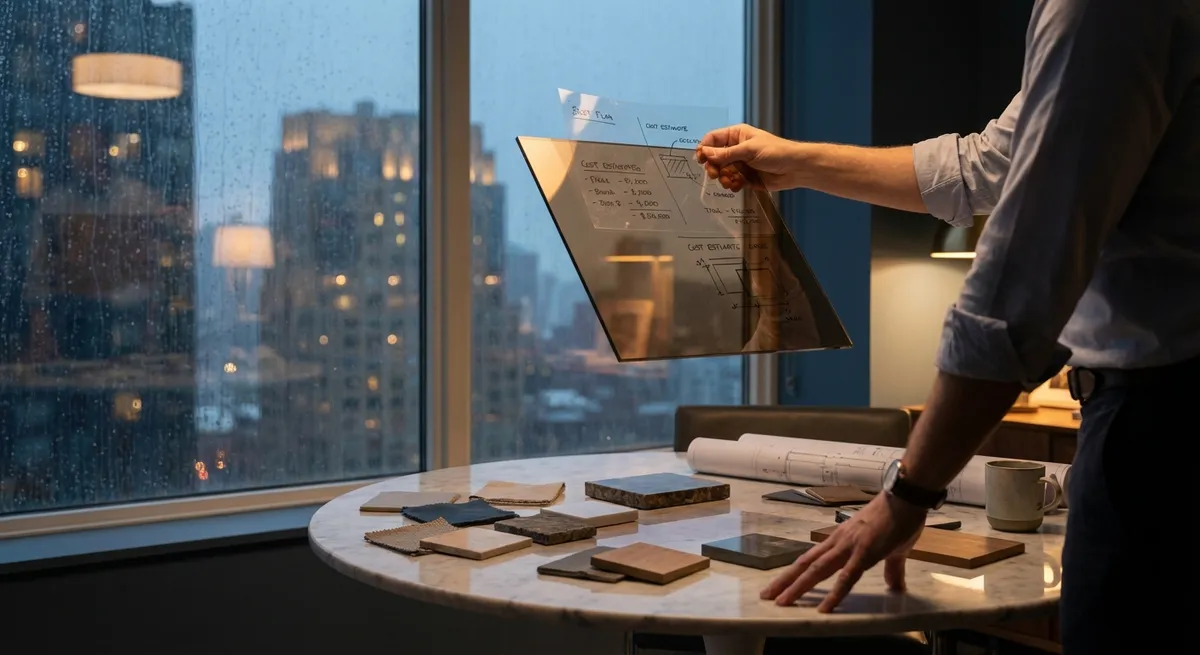
Most proposals list installation as a single number, yet this is where cost analysis requires the most scrutiny. A premium window underperforms a mid-range one if improperly integrated with the building envelope. Air and water management details—the correct tapes, membranes, sealants, flashing techniques—are not cosmetic niceties; they are long-term cost controls.
When comparing bids, interrogate not just “how much?” but “how, precisely?”: what is the installation sequence, how is the rough opening prepared, how are transitions to adjacent materials managed, and which standards or manufacturer guidelines are being followed? Robust answers here reduce the risk of moisture intrusion, concealed damage, and performance drift that can lead to large remediation costs years later.
From a cost perspective, it is helpful to mentally reallocate part of the installation line into “risk mitigation.” A more expensive but rigorously detailed installation is effectively an insurance policy against one of the most financially damaging categories of home failure: envelope leaks and resultant structural or mold issues.
Integrating Financial and Aesthetic Intelligence
A refined cost analysis for window upgrades does not ask you to choose between beauty and prudence; it asks you to recognize how deeply intertwined they are. A window that elevates proportions, frames light gracefully, and operates with satisfying precision is not merely an indulgence—it is a durable expression of value that will be scrutinized by future buyers, inspectors, and appraisers.
By treating performance attributes as asset classes, assigning weight to the comfort dividend, considering resale dynamics beyond crude ROI, extending your time horizon, customizing with intent, and demanding envelope-level rigor in installation, you transform window upgrades into a quiet but powerful financial instrument within your home.
The most successful projects are those where the balance sheet and the architectural drawings tell the same story: considered, coherent, and built to endure.
Sources
- U.S. Department of Energy – Energy Efficient Windows - Overview of how window performance affects energy use and operating costs
- Efficient Windows Collaborative – Window Selection Guidance - Detailed guidance on performance metrics and climate-specific window choices
- National Association of Realtors – 2023 Remodeling Impact Report - Data on resale value and buyer perceptions of various home improvements, including windows
- Lawrence Berkeley National Laboratory – Windows and Daylighting - Research on thermal performance, comfort, and long-term energy impacts of window systems
- ENERGY STAR – Residential Windows, Doors and Skylights - Criteria and benefits associated with ENERGY STAR certified fenestration products
Key Takeaway
The most important thing to remember from this article is that this information can change how you think about Cost Analysis.