The finest windows do more than frame a view—they refine the entire experience of a home. Yet the quiet factor that separates an average upgrade from a transformative one is rarely the glass itself. It is the installation: the precision, the materials, and the decisions made in the space you never see once the trim is back in place. For homeowners who expect more than standard solutions, understanding installation at a deeper level becomes essential. What follows are five exclusive, often-overlooked insights that can elevate your next window project from merely new to genuinely remarkable.
1. The Wall–Window Relationship Matters More Than the Brochure
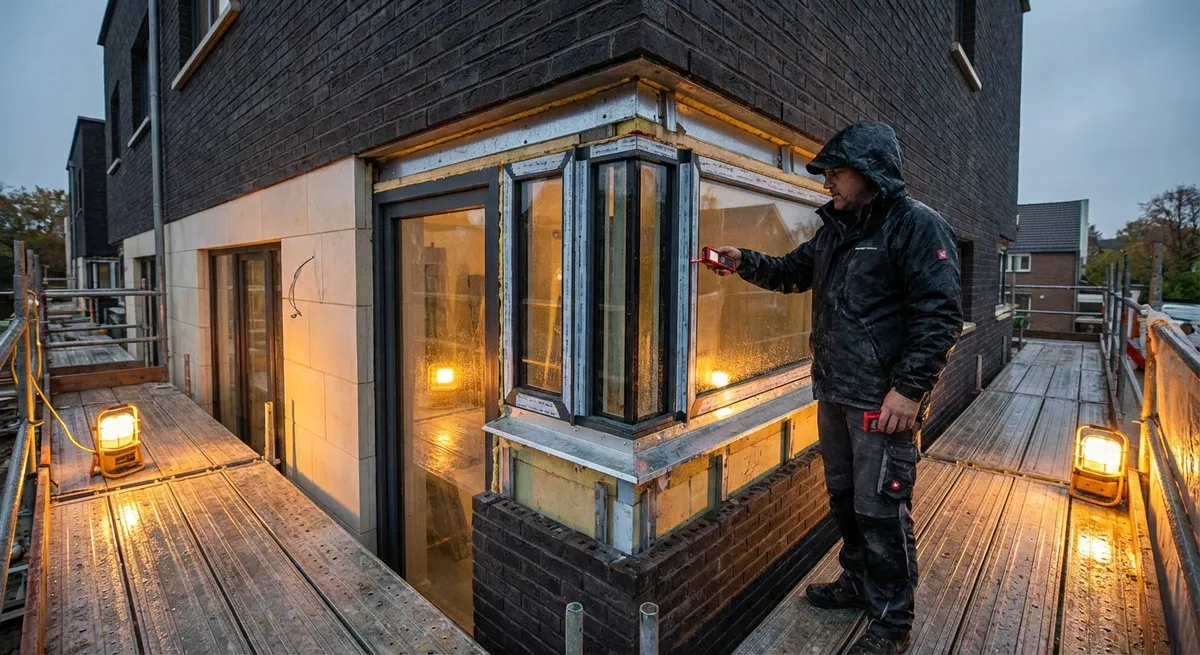
Most homeowners compare frame materials, glass coatings, and warranties. Far fewer ask how the window will interact with the wall it occupies. Yet this junction—the interface between window and structure—is where long-term performance is either secured or quietly compromised.
A high‑performance unit placed into a poorly insulated, poorly sealed opening will never deliver its promised efficiency or comfort. Conversely, a thoughtfully detailed installation can allow even a mid‑range product to feel unexpectedly refined. Sophisticated installers assess:
- Wall construction (masonry, wood frame, stucco, composite cladding)
- Existing air and water barriers
- Insulation continuity around the opening
- Structural integrity around the sill and header
The most discerning approach treats a window not as a stand‑alone product but as one component in a continuous, high‑performance building envelope. When interviewing contractors, ask how they will integrate your new windows with your home’s existing air, vapor, and water management systems. The quality of that answer is often a clearer indicator of future satisfaction than any sales brochure.
2. Hidden Layers: Advanced Sealing and Flashing as Quiet Luxury
Luxury in windows is usually marketed as slim sightlines and crystal‑clear glass. True luxury, however, is often found behind the casing—in the unseen layers of sealing, flashing, and weatherproofing that protect your investment for decades.
Premium installations use a multi‑layered strategy rather than a single bead of caulk:
- Flexible flashing membranes that direct water away from the opening
- Sloped, properly supported sills that prevent pooling and hidden rot
- High‑performance sealants compatible with both window and wall materials
- Backer rods and multi‑stage seals to manage movement and reduce air leakage
This is where experienced, high‑caliber installers distinguish themselves. They understand that buildings move—sills settle, frames expand and contract, claddings shift with temperature and moisture. A refined installation anticipates this with materials and methods designed to flex without failing.
When reviewing proposals, look for explicit references to sill pan flashing, membrane detailing, and sealant type and placement. Elegant results begin with meticulous protection you will never see—but will certainly feel in the form of lasting comfort and absence of drafts, leaks, and staining.
3. Precision Before Perfection: The Art of Measuring and Site Preparation
The most beautiful window cannot compensate for an imprecise opening. In high‑end projects, measurement is a craft in itself, and site preparation is treated as the foundation of all that follows.
Elite installers do more than “measure the hole.” They:
- Measure each opening in multiple locations to detect out‑of‑square conditions
- Evaluate existing framing for warping, damage, or moisture history
- Consider interior finishes (stone, bespoke millwork, integrated shades) that may affect fit
- Account for expansion gaps, shimming space, and the manufacturer’s installation tolerances
Equally important is how the site is prepared. Protective coverings over floors and furnishings, careful removal of existing units, and dust management all play into the experience of a premium installation. Well‑run teams stage materials strategically, maintain a disciplined workflow, and leave openings exposed for the shortest possible time—essential in climates with temperature or humidity extremes.
The hallmark of a refined approach is that “day of” surprises are minimized. Your installer should be able to describe, in specific terms, how they will handle irregular openings, what they will do if damaged framing is discovered, and how they will protect both interior and exterior finishes during the process.
4. Tuning Performance: Installation Choices that Shape Comfort and Acoustics
Beyond energy ratings, installation details can dramatically influence how your home feels and sounds. For discerning homeowners, this is where a window upgrade crosses from functional to deeply satisfying.
Seemingly minor choices can have outsized impact:
- Shimming strategy influences how evenly the sash operates and seals, affecting both drafts and sound transmission.
- Perimeter insulation density (spray foam vs. mineral wool vs. backer and sealant) can refine acoustic performance, particularly in urban or near‑traffic locations.
- Frame depth alignment within the wall can optimize thermal performance and reduce condensation risks on interior surfaces.
- Interior air sealing continuity affects how evenly rooms heat, cool, and maintain humidity.
Thoughtful installers tailor these details to your priorities. If your chief concern is street noise, the approach to sealing and insulating the perimeter will differ from an installation primarily focused on humidity control in a coastal setting. Ask your installer not just how they will “seal the window,” but how their method specifically supports acoustic, thermal, and comfort objectives in your climate and home layout.
This nuanced tuning is rarely spelled out in sales literature, yet it is precisely what makes a space feel calmer, quieter, and more controlled—hallmarks of a truly elevated residence.
5. Future‑Ready Detailing: Designing for Service, Upgrades, and Longevity
An exceptional installation is not only about day‑one performance; it’s about how gracefully the system will age and how easily it can be serviced or enhanced in the future. A forward‑thinking installer considers the entire lifecycle of your windows.
Sophisticated detailing may include:
- Accessible fasteners and hardware that allow for adjustment and repair without damaging finishes
- Reversible or non‑destructive interior trim strategies for service access if air or water issues must be investigated later
- Compatibility with emerging technologies, such as integrated shading systems, sensors, or smart‑home interfaces
- Material choices at the sill and exterior trim that can be renewed or replaced without disturbing the primary window unit
This approach acknowledges that no building is static. Rooflines are altered, façades refreshed, technologies upgraded. When your windows are installed with serviceability and evolution in mind, future projects become more elegant and less invasive—preserving both the integrity of your home and the investment you have already made.
When vetting professionals, invite them to speak about maintenance and adjustment over the first 5–10 years, not just the first season. The most capable firms are comfortable discussing long‑term behavior and will often schedule follow‑up inspections or adjustment visits as part of their service ethos.
Conclusion
Windows are often marketed as objects: sleek, efficient, beautifully engineered. Yet their true performance and aesthetic impact are realized only through the caliber of their installation. For the discerning homeowner, understanding what happens beneath the trim—how the window is integrated, sealed, tuned, and future‑proofed—is the quiet key to a home that feels serenely comfortable, acoustically composed, and architecturally consistent over time.
When you approach your next window upgrade with these five insights in mind, you shift the conversation from “what” is being installed to “how” and “why.” That is where ordinary replacements end—and exceptional, enduring solutions begin.
Sources
- [U.S. Department of Energy – Efficient Windows and Installation](https://www.energy.gov/energysaver/design/doors-and-windows/efficient-windows) – Explains how proper installation affects energy performance and comfort
- [EPA ENERGY STAR – Window Installation Guidance](https://www.energystar.gov/products/building_products/residential_windows_doors_and_skylights/key_product_criteria) – Outlines best practices and criteria for high‑performance window systems
- [Building America Solution Center – Window and Door Details](https://basc.pnnl.gov/resource-guides/windows) – Technical guidance on flashing, air sealing, and integrating windows into different wall assemblies
- [Forest Products Laboratory (USDA) – Moisture Control in Buildings](https://www.fpl.fs.usda.gov/documnts/fplgtr/fplgtr282.pdf) – Research‑based insight into moisture, wall assemblies, and why detailing around openings matters
- [University of Minnesota – Air Leakage and Window Installation](https://www.buildingamerica.umn.edu/publications/air-leakage-and-window-installation) – Discusses how installation quality affects air leakage, comfort, and building durability
Key Takeaway
The most important thing to remember from this article is that this information can change how you think about Installation.