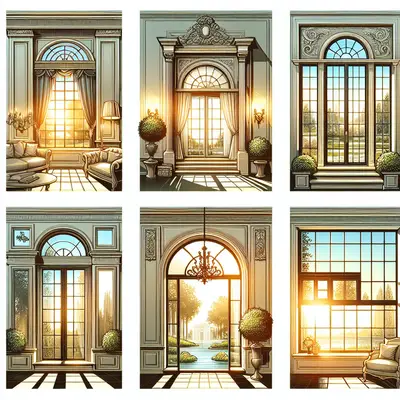
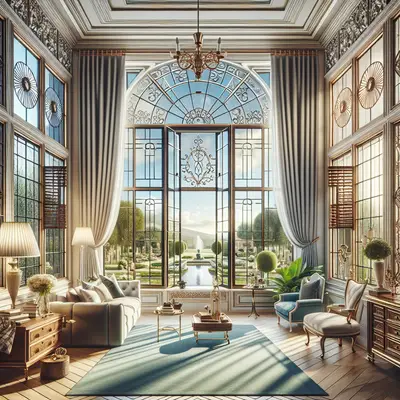
Windows are no longer mere perforations in a wall; they are architectural signatures that shape light, orchestrate views, and quietly signal the calibre of a home. For homeowners pursuing a refined upgrade rather than a routine replacement, the choice of window type becomes an exercise in intentional design—balancing aesthetics, performance, and long‑term livability.
This guide explores how different window types behave in real spaces, and offers five exclusive insights that discerning homeowners can use to move beyond generic options toward truly considered solutions.
Reading the Room: Matching Window Types to Architecture and Lifestyle
Before comparing casement to double‑hung or picture to tilt‑turn, it is worth pausing to consider the architecture and daily rhythms of the home. The most successful window upgrades begin not with a catalogue, but with a clear understanding of how each room is actually used.
In traditional or historic homes, double‑hung or French casement windows often preserve proportion and character, while narrow‑framed casements or tilt‑turns complement contemporary, minimal architecture. Rooms that host social gatherings benefit from large picture windows or multi‑panel units that visually “borrow” landscape and urban views, widening the perceived volume of the space. Meanwhile, kitchens and baths require operable units that support effective ventilation without compromising privacy or cabinet layouts.
Orientation also matters: south‑ and west‑facing rooms can tolerate larger expanses of fixed glass when paired with carefully placed operable units for cross‑breezes, whereas north‑facing spaces may favor windows that maximize diffuse daylight. A thoughtful pairing of fixed and operable types often yields a cleaner façade and a more elegant interior rhythm than using the same window type everywhere simply for convenience.
Window Types as Light Instruments, Not Just Openings
Different window types sculpt daylight in markedly different ways, which becomes crucial in homes where ambiance is as important as function. Casement and awning windows, for instance, allow slimmer frames for a given opening size, delivering a more expansive glass area compared to many traditional double‑hung units. This seemingly small distinction can subtly elevate a room, allowing light to wash walls and finishes with greater clarity.
Awning windows positioned higher on a wall can bring in softened, ambient light while preserving privacy—an excellent solution above a soaking tub or in a dressing room. Large fixed picture windows can frame views like artwork, but pairing them with discreetly placed operable flankers or clerestory units introduces flexibility: light remains constant, while the room can be tuned for fresh air and comfort.
Tilt‑turn windows, more common in European design, offer a uniquely refined duality: tilted inwards, they provide secure, controlled ventilation; swung fully open, they transform an aperture into a broad, unencumbered opening. For homeowners seeking a quieter, gallery‑like interior feel, this versatility allows light and air to be managed with remarkable precision.
Exclusive Insight #1: Use Mixed Window Typologies to “Curate” Views
Rather than repeating a single window type throughout the home, advanced projects employ a curated mix: fixed, operable, and specialty forms deployed with intention. For instance, a living room facing a scenic vista may deserve a broad picture window centered on the best view corridor, flanked by narrow casements that subtly disappear into the frame when open.
In corner rooms, combining a fixed corner unit with a casement on one side and an awning above can create a layered visual effect: the corner feels dematerialized while occupants retain granular control over ventilation and privacy. On upper floors, tall, narrow tilt‑turn windows can be paired with lower fixed lites, allowing seated views while keeping operational hardware at a comfortable height.
This curated mix does not have to be visually chaotic; by maintaining consistent sightlines, mullion dimensions, and finishes, it is possible to achieve a façade that reads as quiet and coherent, even while it is functionally sophisticated behind the scenes.
Exclusive Insight #2: Consider Ventilation Performance, Not Just Operability
Many homeowners think of windows as simply “opening” or “not opening,” but different types perform very differently when it comes to real‑world ventilation. Casement windows, which hinge from the side and open outward, can act as subtle air scoops when oriented toward prevailing breezes, pulling fresh air deeper into the room than a basic sliding or double‑hung unit might.
Awning windows, hinged at the top, can remain open even in light rain, making them ideal for covered patios, garden‑level rooms, or spa‑like baths where fresh air is desirable year‑round. Tilt‑turn windows, in their tilt mode, create a high, controlled opening that exhausts warm air near the ceiling while maintaining a sense of security and reducing drafts at occupant level.
A thoughtful ventilation plan often alternates window types by elevation: one façade may rely on a combination of casements and awnings for generous airflow, while the opposite side uses a quieter mix of tilt‑turn and fixed windows to temper wind and noise. Treating ventilation as a design variable—not an afterthought—can materially elevate day‑to‑day comfort.
Exclusive Insight #3: Frame Profiles Can Redefine the Perception of Space
The profile of a window—its frame thickness, sash proportions, and reveal depth—has an outsized impact on how a room feels. Slim‑framed aluminum or fiberglass casements, for example, can visually “push back” the boundaries of a room, making the outside feel closer. By contrast, more substantial wood or clad‑wood frames can add a sense of gravitas and warmth, particularly appropriate in formal living rooms, libraries, or dining spaces.
Some advanced systems allow for recessed installation, where the frame visually recedes into the wall plane, creating a near‑frameless look from the interior. This effect works particularly well with large picture windows or fixed corner units, turning them into luminous openings rather than framed objects. In historic or transitional homes, precisely proportioned simulated divided lites and traditional profiles can maintain architectural integrity while incorporating high‑performance glazing and concealed hardware.
When evaluating window types, it is worth comparing not only configuration but also frame and sash profiles. The difference between a standard frame and a more architecturally refined system can be the difference between a room that feels merely updated and one that feels quietly transformed.
Exclusive Insight #4: Operational Logic Should Align with Furnishings and Rituals
An often‑overlooked factor in choosing window types is how they align with the practicalities of furnishing and daily routines. A beautifully detailed tilt‑turn window loses its charm if a full swing interferes with a reading chair or a built‑in cabinet. Likewise, a low casement behind a deep kitchen sink may be difficult to reach and operate gracefully.
Before finalizing window types, it can be helpful to map key furnishings and movement patterns. In dining rooms, outward‑opening casements can be ideal if windows are above sideboards or consoles, preserving interior clearances. In bedrooms, higher‑sill awning or tilt‑turn units work elegantly above low dressers or upholstered headboards, allowing the room to breathe without requiring the occupant to reach or reposition furniture.
For homeowners planning custom millwork, it is often possible to integrate window operation into the overall concept—for example, aligning the opening of a casement with a flanking bookcase, or designing a window seat with precisely positioned operable flanking units for reading‑friendly breezes. This operational logic ensures that the windows support daily rituals, rather than asking the household to accommodate the hardware.
Exclusive Insight #5: Specialty Window Types Can Become Quiet Centerpieces
Beyond the usual casement, double‑hung, and sliding units, there is a world of specialty window types that can become understated focal points when deployed sparingly. Corner glass units, for example, visually dissolve the meeting of two walls, bathing a room in light while creating a cinematic sense of openness. When combined with nearby operable units, they provide drama without sacrificing function.
Clerestory windows—narrow horizontal bands placed high on the wall—can deliver soft, even daylight into spaces where privacy or wall space is at a premium, such as urban townhomes or spa baths. In stairwells, tall, slender fixed windows paired with strategic awnings at eye level can turn a circulation zone into a sculptural, light‑filled moment.
For more expressive architecture, arched or gently curved top windows can echo other design gestures in the home, such as barrel‑vaulted ceilings or arched doorways, while contemporary pivot windows can create an almost gallery‑like feature when open. The key is restraint: one or two thoughtfully placed specialty windows, harmonized with the broader family of types in the home, can elevate the entire composition.
Conclusion
Choosing window types for a premium home upgrade is less about selecting from a menu and more about orchestrating light, air, proportion, and daily life into a coherent whole. By considering how each window type interacts with architecture, furnishings, and rituals, homeowners can move beyond standard solutions to create spaces that feel both quietly luxurious and deeply functional.
A curated mix of fixed, operable, and specialty windows—supported by careful attention to frame profiles, ventilation behavior, and view composition—transforms glazing from a technical necessity into an architectural signature. The result is a home where every opening feels intentional, every view is considered, and every room benefits from light and air that have been finely tuned rather than merely admitted.
Sources
- U.S. Department of Energy – Types of Windows - Overview of common window types and their performance implications
- Efficient Windows Collaborative – Window Selection - Guidance on matching window types and configurations to climate and design goals
- National Park Service – Preservation Brief 9: The Repair of Historic Wooden Windows - Insight into maintaining architectural character when upgrading or replacing windows in traditional homes
- Pella – Window Styles and Features - Manufacturer resource illustrating various window types, frame profiles, and design applications
- Milgard – Understanding Window Operating Styles - Detailed explanations of how different operable window types function in real‑world use
Key Takeaway
The most important thing to remember from this article is that this information can change how you think about Window Types.