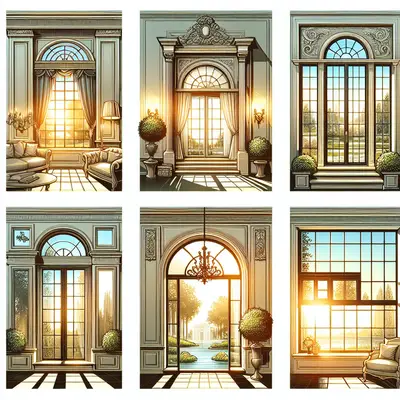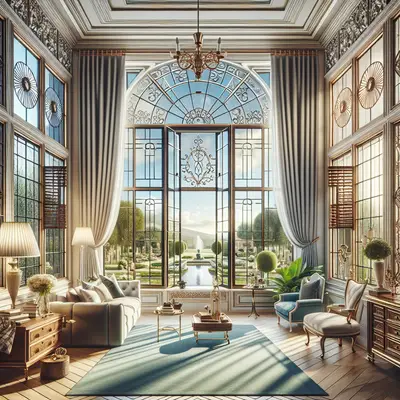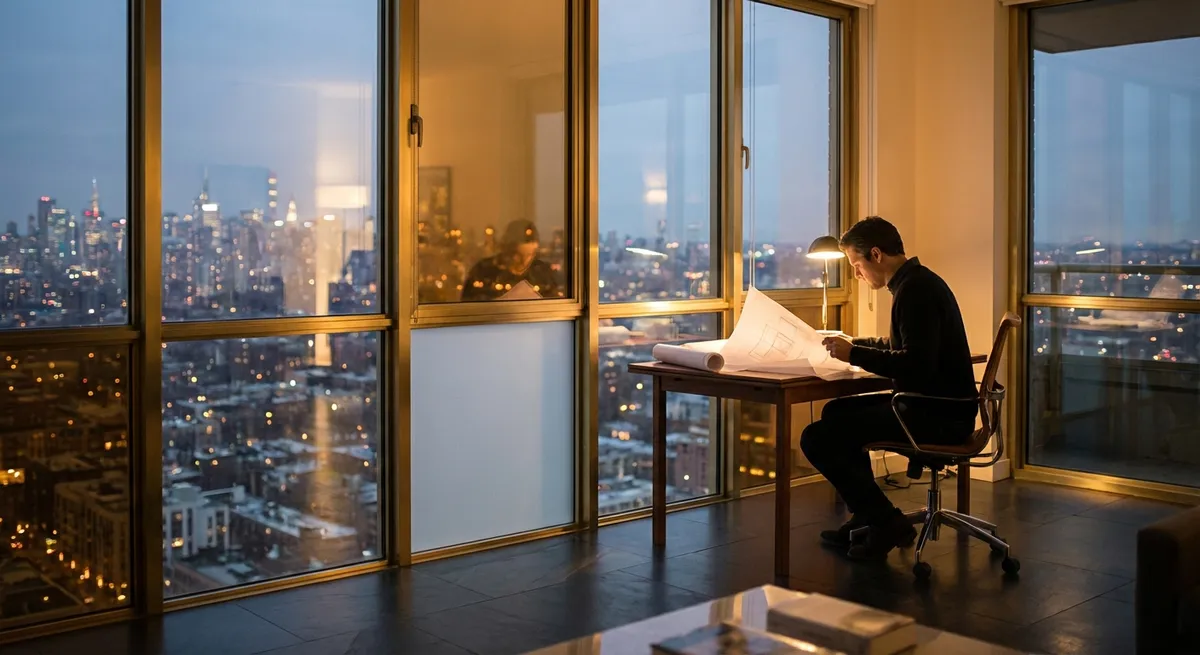
Windows are not merely openings in a wall; they are calibrated instruments for light, silence, and comfort. The right window type can discipline glare, frame a skyline, hush a busy street, and turn an ordinary elevation into a considered façade. For homeowners planning an upgrade, the decision goes far beyond “double-hung or casement.” It is a question of how you want your home to feel, sound, and perform for the next several decades.
Below, we explore window types through a more exacting lens—how each form behaves, what it signals architecturally, and how to align it with the way you live. Along the way are five exclusive insights that discerning homeowners consistently find transformative.
Reading a Room: How Use Dictates Window Form
Before comparing profiles and hardware, begin with function. The same window type that flatters a south-facing living room may be a liability in a coastal bedroom or an urban kitchen.
Casement windows, hinged at the side and cranked outward, excel in spaces that demand fresh air and tight sealing. When latched, their sash presses firmly into the frame, often outperforming sliding or double-hung styles in both energy efficiency and air-tightness. Awning windows, hinged at the top, bring in ventilation even during a light rain, making them especially compelling over bathtubs, kitchen sinks, and secondary spaces where you want privacy but refuse to forgo natural light.
Fixed (or picture) windows, by contrast, are about discipline: they do not open, so they can be engineered with slimmer frames, larger spans, and more ambitious glass combinations. Used thoughtfully, they become quiet canvases of daylight and landscape. In high-performance homes, fixed windows often appear alongside smaller operable units, allowing for both ventilation and visual drama.
Exclusive Insight #1: Design your window “ecosystem” room by room, not style by style. Refined homes rarely repeat a single window type without variation. A living room might combine towering fixed glass with flanking casements for discreet airflow; a hallway might rely on clerestory awnings for light without compromising privacy; a bedroom might favor tilt-and-turn units for nuanced control of ventilation and night-time security. Treat each room’s view, use, and acoustics as a distinct brief.
The Subtle Geometry of Sightlines and Frames
Window type dictates how much of your wall is glass versus frame—and the balance between the two is where luxury often reveals itself. Thicker frames are not inherently inferior; they can look substantial and grounded. However, slim, well-engineered profiles allow more daylight and more uninterrupted view for the same rough opening.
Casements and tilt-turn windows usually offer slimmer vertical interruptions than double-hung windows, which require overlapping sashes and balances. Sliding windows introduce horizontal rails across the view. In contemporary architecture, large fixed windows paired with minimal framing can create almost gallery-like conditions, with the room illuminated rather than simply “lit.”
Material choices—wood, aluminum, fiberglass, composite, or clad hybrids—will reshape these sightlines again. A thermally broken aluminum frame, for example, can achieve very narrow profiles with strong structural performance, whereas traditional wood will typically appear more substantial, and in some contexts, more appropriate.
Exclusive Insight #2: Evaluate windows from the seated position, not just standing. Ask your designer or supplier for scaled visuals or mock-ups that represent how the horizon, mullions, and sash lines intersect your view when you are seated at a dining table, reading chair, or desk. Luxury is often the absence of an awkward rail chopping through a skyline or garden view.
Light, Heat, and Glass Configurations by Window Type
While glazing technology applies to all window types, some forms pair more naturally with advanced glass strategies. Fixed and casement windows, with their robust sealing, tend to realize the full benefit of high-performance glass. When combined with low-emissivity (low‑E) coatings, argon or krypton gas fills, and warm-edge spacers, they help maintain interior comfort while admitting generous daylight.
South- and west-facing windows may require more disciplined solar control: thoughtful overhangs, exterior shading devices, or selective coatings that reduce solar heat gain without plunging the room into gloom. Large sliders and folding glass walls often need special attention here; their scale can quickly overwhelm a room’s thermal balance if specified carelessly.
Skylights and roof windows are another category entirely. They admit what designers call “zenithal” light—soft, diffuse illumination from above that reduces harsh shadows. But their exposure to the sky can increase solar gain and heat loss if the glazing and flashing are not carefully engineered.
Exclusive Insight #3: Consider dissimilar glass strategies by orientation rather than by room. The same window type might use different glass on the north and south elevations. North-facing units can prioritize clarity and visible light transmission, while west-facing counterparts lean on solar-control coatings. A sophisticated specification does not treat the entire house as a single glazing “setting.”
Ventilation, Sound, and the Acoustics of Calm
If you live near a busy street, flight path, or lively neighborhood, the type and configuration of your windows will significantly influence interior serenity. Operable windows always present more acoustic challenges than fixed units; every moving part is another potential path for sound transmission.
Casement and tilt-turn windows usually outperform sliders and traditional double-hung designs acoustically because their compression seals close more tightly. In contrast, sliding windows—while smooth and space-efficient—can be acoustically vulnerable at the meeting rails and tracks, especially in lower-cost systems. When selecting any operable window in a noise-prone environment, ask for tested Sound Transmission Class (STC) and Outdoor-Indoor Transmission Class (OITC) ratings.
Bay and bow windows create quiet pockets of space within a room, but they also introduce more exterior exposure, which must be compensated for through careful sealing and insulation. Over time, premium performance hardware and meticulous installation matter at least as much as the base window type.
Exclusive Insight #4: Combine different window types to “tune” your home’s soundscape. Use large fixed units as acoustic anchors on noisy façades, supplemented with carefully placed casements or tilt-turns for occasional ventilation. On quieter garden-facing elevations, more operable units can be introduced without compromising calm. This mix of roles—quiet, sealed view versus controlled airflow—produces a more composed acoustic experience.
Operational Elegance: How Windows Behave in Daily Life
A window’s type also governs how you move around it. In tight spaces such as balconies, walkways, or small terraces, an outward-swinging casement may conflict with circulation, while sliding or fixed units keep the path clear. In kitchens, awning windows above counters can be opened easily without rearranging objects on the sill. Bedrooms on upper floors may benefit from tilt-turn windows that offer safe, secure ventilation in the tilt position and full egress when fully turned.
Maintenance is another dimension of operational luxury. Double-hung tilt-sash designs are appreciated in multi-story homes where exterior cleaning is difficult. High-end tilt-turn systems often allow safe cleaning from the inside as well. Large fixed windows reduce moving parts and thus maintenance, but they must be strategically paired with operable counterparts to avoid stagnant air and condensation issues.
Hardware—the feel of the handle, the smoothness of the mechanism, the solidity of the latch—plays a disproportionate role in perceived quality. It is the part of the window you actually touch.
Exclusive Insight #5: Test the “one-handed ritual” before committing. A refined window should be operable, secure, and closable with one hand, in a single, intuitive gesture. During showroom visits, pay attention to this quiet choreography. If a handle requires force, a second hand, or a sequence of fiddly movements, it will undermine the everyday luxury of the space, regardless of how elegant the window appears on paper.
Composing a Cohesive Window Language
Mixed window types can either enrich a façade or fragment it. The distinction lies in how consciously they are composed. Aligning head heights across different window types, maintaining consistent proportions, and repeating certain motifs—such as muntin patterns, corner details, or finishes—preserves cohesion even when the operational types vary.
In traditional homes, double-hung or simulated double-hung profiles might dominate the street façade, with more contemporary casements or large fixed units opening toward private gardens. In modern architecture, expansive fixed glass can anchor key views, while slender casements or tilt-turns provide discreet ventilation. Specialty windows—arched, circular, clerestory, or corner-glazed—are best used as deliberate focal points rather than scattered gestures.
Ultimately, the luxury lies not in choosing the most expensive window type, but in curating the right combination, proportion, and performance for your specific home and lifestyle.
Conclusion
Upgrading windows is not simply a construction project; it is a re-editing of how your home receives the day, frames the outside world, and shelters you from its noise and temperature swings. Casements, awnings, sliders, tilt-turns, bays, fixed glass—each window type possesses a distinct temperament. When these temperaments are orchestrated with intention, the result is a home that feels quietly resolved: bright where it should be, hushed where it must be, and effortlessly functional in daily use.
By considering how each room really lives, where your views matter most, how sound and sun move around your property, and how your windows behave in the hand, you transform an ordinary upgrade into an enduring architectural refinement.
Sources
- [U.S. Department of Energy – Energy-Efficient Window Attachments](https://www.energy.gov/energysaver/energy-efficient-window-attachments) - Overview of how window design and configuration affect efficiency and comfort
- [Efficient Windows Collaborative – Window Types](https://www.efficientwindows.org/types.php) - Detailed technical guidance on different window operating styles and performance implications
- [Lawrence Berkeley National Laboratory – Windows and Daylighting](https://windows.lbl.gov/) - Research-based information on window technologies, glazing, and daylight performance
- [U.S. Environmental Protection Agency – ENERGY STAR Windows, Doors and Skylights](https://www.energystar.gov/products/building_products/residential_windows_doors_and_skylights) - Criteria and product guidance for high-performance residential windows
- [National Park Service – Guidelines for Rehabilitating Historic Windows](https://www.nps.gov/tps/how-to-preserve/windows.htm) - Insight into balancing aesthetics, historic character, and performance when selecting or upgrading window types
Key Takeaway
The most important thing to remember from this article is that this information can change how you think about Window Types.