Windows are no longer mere apertures in a wall; they are architectural instruments that orchestrate light, view, privacy, and performance. For the discerning homeowner, selecting window types is less about filling openings and more about composing a visual and sensory experience that elevates the entire residence. The right configuration can slim sightlines, refine façades, and turn ordinary rooms into luminous retreats.
This guide explores key window types through a refined lens—and shares five exclusive, often-overlooked insights that sophisticated homeowners quietly rely on when planning a truly elevated upgrade.
Beyond Shapes: Understanding the Architectural Role of Each Window Type
While most catalogues reduce windows to shapes and operations—casement, awning, double-hung, picture—an elevated approach begins with architectural intent. A slender-profile casement can emulate the feel of a steel-framed modernist façade, while a carefully proportioned double-hung window can preserve the gravitas of a historic elevation without compromising performance.
Casement windows, hinged on the side, excel where you want expansive, unobstructed views and strong weather sealing. Their sash presses into the frame when closed, creating a tight line of defense against drafts and noise—particularly appealing in urban townhomes or coastal properties. Awning windows, hinged at the top, introduce daylight and ventilation even during light rain, making them ideal for high or hard-to-reach locations, such as above bathtubs or kitchen counters.
Picture windows serve as the purest expression of glass as architecture: fixed, minimal, and entirely dedicated to view and daylight. Used alone, they create gallery-like compositions; combined with operable flankers (such as casements or awnings), they deliver both performance and poetry. Sliding and tilt-and-turn windows introduce distinctly contemporary gestures: wide horizontal frames for panoramic vistas, or inward tilting for secure, controlled ventilation—features beloved in European design and increasingly sought after in premium American projects.
When curated thoughtfully, window types choreograph how your home engages with its surroundings—inviting some vistas in, editing others out, and aligning interior function with exterior character.
Matching Window Types to Lifestyle, Not Just Floor Plans
Too often, window selection is treated as a plan-checking exercise: align with the architect’s drawings, meet code, move on. A more sophisticated approach asks how each space is actually lived in, then pairs window types with daily rituals.
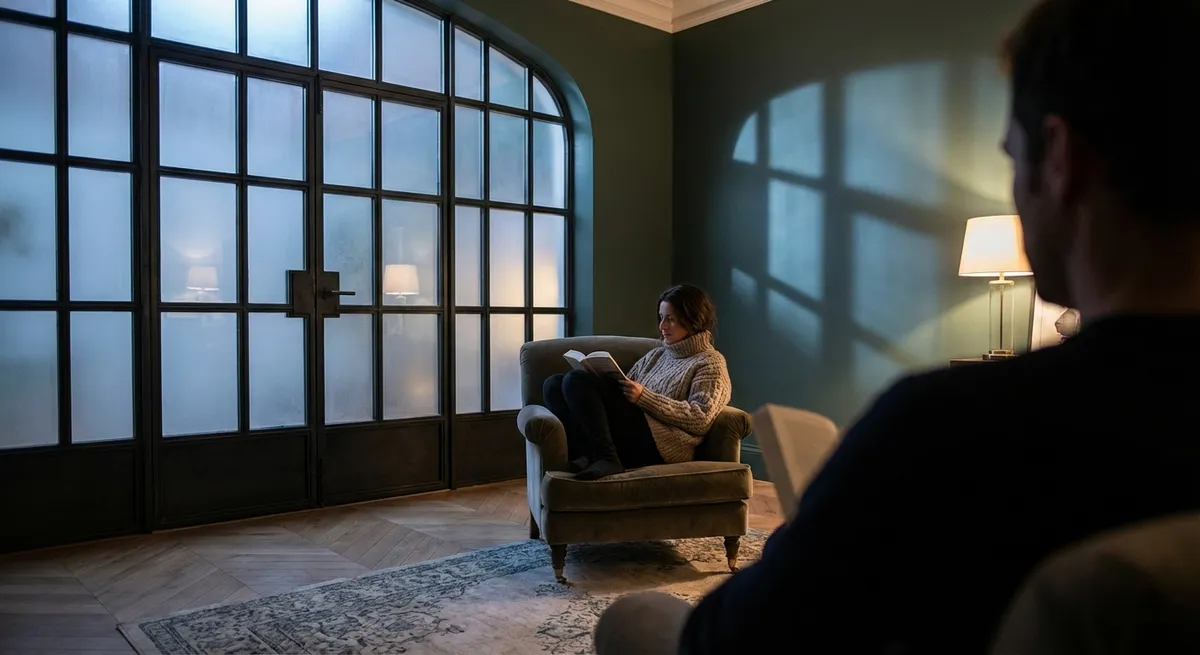
In a kitchen where you cook frequently and require flexible ventilation, casements or awnings near the cooktop can quickly purge heat and humidity, outperforming sliders that barely open half their area. In a primary bedroom, tilt-and-turn windows allow for secure night ventilation: tilt for a subtle flow of fresh air without fully opening the sash, preserving security and peace of mind. For reading nooks and home libraries, fixed or narrow casement windows set slightly lower can bring in seated-height views and soft, lateral light that flatters both interiors and artwork.
Bathrooms benefit from top-hinged awning or high clerestory windows—types that protect privacy while still admitting sky light and fresh air. In living rooms, combining a central picture window with flanking casements can frame a landscape like a painting while allowing precise control of breeze and sound. By mapping window types to routines—where you read, work, entertain, and unwind—you create a home that feels effortlessly intuitive, as though the architecture were anticipating your next move.
Exclusive Insight #1: Lifestyle Zoning Through Glazing
Instead of standardizing one or two window types across the entire home, consider a “zoned” strategy: operable casements or tilt-and-turns in high-activity rooms (kitchen, office, gym), quieter fixed or minimal-operable windows in restful spaces (bedrooms, library), and larger expressive picture windows only where views are genuinely worth celebrating. This zoning yields both visual sophistication and day-to-day ease.
Framing the View: How Window Types Shape What You See (and Don’t)
A premium window upgrade is as much about what you choose not to see as what you invite in. Different window types subtly edit view lines, and understanding this can dramatically enhance the serenity and elegance of a space.
Picture windows, by eliminating muntins and operable hardware, can create a seamless connection between interior and landscape—perfect when your outlook is a garden, pool, or mature trees. When the view is less desirable, you might elevate sightlines through taller awning or clerestory windows that capture sky, light, and treetops while omitting street-level clutter. Horizontal sliders emphasize lateral panoramas, drawing the eye across a wide terrace or ocean horizon, while vertical double-hung or tall casement windows accentuate height, giving smaller rooms a more stately feel.
In urban or densely built environments, strategically placed high windows or narrow vertical casements can filter in daylight and glimpses of greenery while preserving privacy from adjacent properties. Even the direction of the hinge line matters: a casement that opens away from a neighbor’s yard can frame a more pleasant view angle and subtly screen unwanted sightlines.
Exclusive Insight #2: “Framed Vignettes” as Design Currency
Instead of treating every exterior wall as an opportunity for maximum glazing, identify three or four key “vignettes” on your property—a grove of trees, a sculpture, a distant skyline—and select window types that intentionally frame those scenes. A single, meticulously framed view can lend a room more luxury and gravitas than an entire wall of indiscriminate glass.
Tuning Comfort: Ventilation, Acoustics, and Thermal Performance by Type
Window types are not equal in how they manage air, sound, and temperature. For a home that feels composed in every season, these performance nuances matter.
Casement and awning windows typically offer superior air sealing when closed compared to sliders or many double-hung units, because the sash compresses tightly against the frame. In windy or noisy environments—city streets, near rail lines, or close to airports—pairing these tighter-operating types with high-quality, insulated glass can make interior spaces strikingly quieter and more composed. In contrast, in mild climates where cross-ventilation is paramount, wide sliding or paired casement windows aligned across a room can create an effortless, cooling flow of air.
Certain types also manage solar gain differently. Large picture windows on south or west façades can become heat sources if not paired with appropriate glazing and shading strategies, while smaller, operable awnings or casements can allow you to flush out overheated spaces at night. Tilt-and-turn windows, with their dual opening modes, are especially adept at fine-tuning comfort: tilt for gentle, secure ventilation; fully turn for deep, rapid air exchange.
Exclusive Insight #3: “Ventilation Hierarchy” Across the Home
Rather than assuming every window must open—and open in the same way—design a ventilation hierarchy. Designate a few core rooms as your “ventilation engines” with highly operable, high-performance window types, and allow secondary spaces to rely more on fixed glazing. This can simplify maintenance, refine your façade, and still keep the home feeling fresh and airy.
Crafting Cohesion: Mixing Window Types Without Visual Chaos
Using multiple window types in a single residence can look either artfully layered or distractingly chaotic. The distinction lies in establishing disciplined rules for proportion, alignment, and detailing.
One unifying principle is consistency of sightline: ensure head heights and sill heights align across different window types whenever possible. A picture window flanked by casements, a tilt-and-turn in the study, and an awning in the bathroom can all share the same upper datum, giving the exterior a composed rhythm. Matching frame colors, hardware finishes, and muntin patterns across types further reinforces cohesion, even when functions differ.
Proportion is equally crucial. Tall, slender casements can harmonize with traditional proportions in older homes, while broader sliders and expansive picture units feel natural in low-slung, contemporary architecture. Avoid combining too many distinctive operations on a single façade—for instance, sliders, double-hungs, and tilt-and-turns all intermingled—unless you are working with an architect who can rigorously orchestrate the composition. Inside, consider how handles and opening directions will feel in hand and in use; left-hinged casements on one wall and right-hinged on another can create intuitive gesture flows as you walk through the home.
Exclusive Insight #4: “Two-Type Rule” on Prominent Elevations
For street-facing or signature elevations, restrict yourself to no more than two primary window types (for example, picture + casement, or double-hung + fixed). Reserve any additional types for less visible façades (courtyards, side yards). This disciplined approach instantly elevates the home’s exterior from busy to bespoke.
Future-Facing Choices: Flexibility, Technology, and Long-Term Refinement
Today’s premium windows are increasingly integrated with technology and evolving expectations of comfort. Some types lend themselves more elegantly to these advances than others.
Fixed and large-format operable windows are well-suited to emerging glazing technologies such as electrochromic (tint-on-demand) glass and advanced low-emissivity coatings. These can subtly darken to reduce glare and heat gain without resorting to heavy drapery—allowing you to enjoy expansive glass without sacrificing comfort or privacy. Awning and casement windows can be fitted with concealed motorization, enabling remote or automated operation for high or hard-to-reach locations, particularly in double-height spaces.
Tilt-and-turn windows are often engineered to European standards, with robust hardware that can support future glass upgrades, such as higher-spec laminated acoustic units or integrated blinds between panes. Selecting window systems with modular, replaceable components—even if they cost more upfront—can allow you to refine performance over time without reconfiguring entire openings.
Exclusive Insight #5: “Upgrade-Ready” Window Types as a Strategic Asset
When comparing options, ask not only how a window performs today, but how “upgrade-ready” it is. Favor systems and types that can accommodate future glazing upgrades, integrated shading, or automation without altering the frame. This foresight protects the architectural integrity of your home while allowing you to quietly keep pace with evolving standards of comfort and efficiency.
Conclusion
Selecting window types for a sophisticated home is a compositional art—one that balances view and privacy, openness and protection, heritage and innovation. By moving beyond catalog-style thinking and considering how each window type supports your architecture, lifestyle, comfort, and long-term ambitions, you transform glass from a background utility into a defining element of your residence.
A well-curated mix of picture, casement, awning, tilt-and-turn, and strategic fixed units can lend your home a quiet, confident elegance that feels as refined from the curb as it does from your favorite reading chair. With a thoughtful eye and an appreciation for detail, your windows become not just openings, but orchestrated experiences.
Sources
- [U.S. Department of Energy – Energy-Efficient Windows](https://www.energy.gov/energysaver/energy-efficient-windows) - Overview of window types, operation, and performance considerations for efficiency
- [Efficient Windows Collaborative – Window Selection Guidance](https://www.efficientwindows.org/selection.php) - In-depth guidance on choosing window types based on climate, performance, and design goals
- [Whole Building Design Guide (WBDG) – Windows and Glazing](https://www.wbdg.org/design-elements/building-envelope-design/windows-and-glazing) - Professional-level discussion of glazing systems, comfort, and envelope design strategy
- [University of Minnesota – Windows and Daylighting](https://www.buildingscience.com/documents/digests/bsd-63-window-and-glazing-design) - Technical insights into how window configuration affects daylight, comfort, and building performance
- [Marvin Windows & Doors – Window Types and Operation](https://www.marvin.com/inspiration/blog/types-of-windows) - Manufacturer’s overview of common window types, including functional and aesthetic distinctions
Key Takeaway
The most important thing to remember from this article is that this information can change how you think about Window Types.