Windows are no longer passive apertures in a wall; they are architectural instruments that tune light, frame landscape, and choreograph daily rituals. For the homeowner pursuing a refined upgrade, the conversation must move beyond “double-hung or casement?” to a more nuanced understanding of how each window type can support a deliberate way of living.
This guide explores window types through a more elevated lens—and highlights five exclusive insights that discerning homeowners often overlook, yet quietly transform the result from “updated” to truly exceptional.
Reading the Room: Matching Window Types to Architectural Character
Before comparing features, the most sophisticated projects begin with alignment: window types that deepen, rather than dilute, the home’s architectural language.
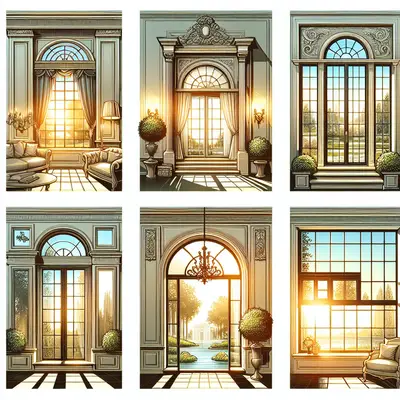
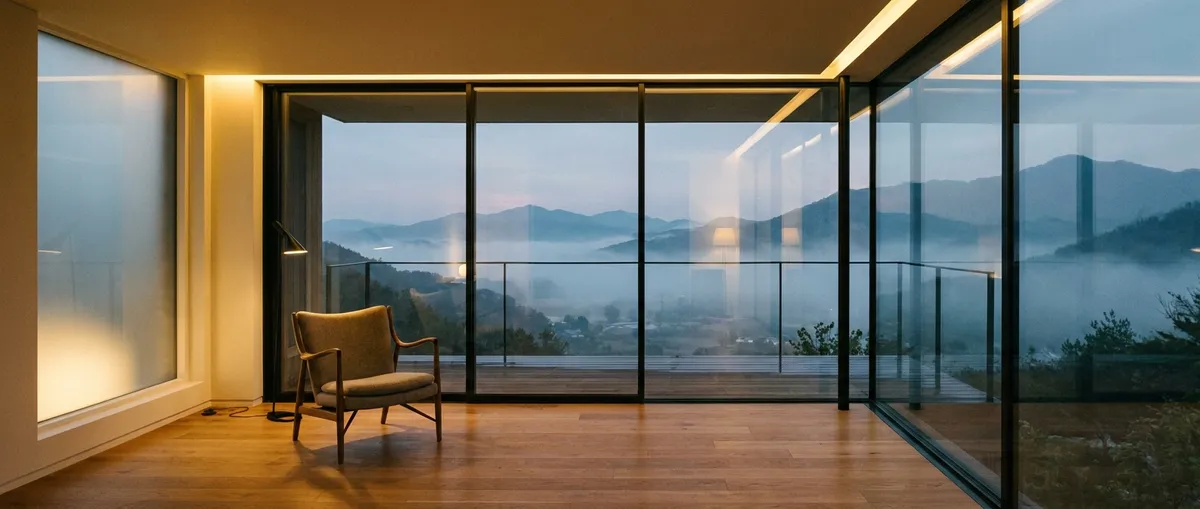
In a prewar or traditionally detailed residence, double-hung and narrow casement windows—with carefully considered muntin patterns—can preserve the vertical rhythm of the façade while integrating modern performance glazing. In contrast, contemporary homes frequently benefit from large fixed windows or lift-and-slide doors that erase the boundary between interior and exterior, emphasizing generously scaled glass with minimal framing. For mid-century properties, horizontal sliders or ribbon-style casements echo the original design intent, maintaining low-slung proportions and long sightlines.
The crucial distinction is that window type is a design decision, not just a functional one. A misaligned choice—such as bulky sliders on an elegant Georgian or overly fussy divided lights on a minimalist volume—can visually devalue even a carefully renovated property. Think of each window as a line in a composition: the type you choose will either harmonize with or jar against the home’s existing architecture.
Exclusive Insight #1: Treat window types as architectural punctuation. Fixed units, casements, awnings, and sliders each introduce a different visual rhythm. A curated mix, deliberately placed, can make the entire elevation feel composed rather than merely updated.
Beyond Operation: The Subtle Performance Differences Between Window Types
Many homeowners choose window types based on how they open; the more discerning approach considers how each type manages air, weather, and longevity.
Casement windows, which hinge at the side and crank outward, seal tightly on closing and often outperform sliders in air and water infiltration resistance—especially in windy, exposed sites. Awnings, hinged at the top, can remain slightly open in a light rain, providing sheltered ventilation ideal for bathrooms or covered outdoor-adjacent spaces. Fixed windows, while inoperable, typically provide the highest structural rigidity and thermal performance, making them ideal for large view windows where operability is less critical.
On the other hand, sliding windows and doors, while visually minimal and efficient for circulation, inherently rely on sliding seals that can be more vulnerable over time, especially in sandy or coastal environments. Tilt‑turn windows, popular in European design, offer both secure top ventilation and full side-hinge opening, combining performance and flexibility but requiring meticulous installation and precise hardware alignment.
Exclusive Insight #2: Select operable windows by exposure, not habit. In windward or weather-exposed locations, prioritize casements and awnings; in sheltered, view-led areas, fixed and tilt‑turn units can deliver superior performance with cleaner lines and larger glass areas.
Curating Light and Privacy: Window Types as Daylight Instruments
Sophisticated window planning is as much about how light behaves throughout the day as it is about the view itself. Different window types modulate daylight and privacy in distinct ways.
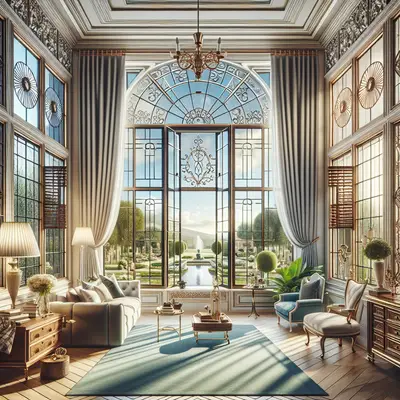
Tall, narrow casements and double-hungs invite vertical ribbons of light, flattering for stairwells and corridors where an elongated shaft of brightness can animate circulation spaces. Broad fixed windows excel in living areas, delivering expansive daylight and uninterrupted vistas, but they benefit from complementary operable units nearby to prevent the room from feeling sealed. Clerestory awning windows high on a wall introduce light without compromising privacy—particularly effective in urban settings or tightly spaced neighborhoods.
In bedrooms or spa-like bathrooms, smaller awnings or tilt‑turn windows can be installed at eye-shielding heights, balancing serenity with fresh air. For highly glazed modern spaces, the most considered designs combine window types in layered compositions: large fixed glass for view, operable awnings above or beside for subtle cross‑ventilation, and carefully set sill heights to avoid harsh glare when seated.
Exclusive Insight #3: Choose window type by how you want the room to feel at specific times of day. Imagine morning light in the kitchen, late-afternoon warmth in the living room, or moonlit privacy in the primary suite—and assign window types accordingly, not generically.
Framing Movement: How Window Types Shape Flow, Furniture, and Use
Window types quietly dictate where you can place furniture, how you move through a room, and even how you entertain.
Casement windows that swing inward can conflict with deep sills, drapery, or tight furniture layouts, which is why outward-opening casements or tilt‑turn units (used thoughtfully) often suit slimmer, more minimal interiors. Sliding doors are invaluable where circulation is constant—such as between kitchen and terrace—because they don’t intrude into the room or patio footprint. In spaces where you envision built-in seating, shelving, or low storage, fixed windows or higher awnings preserve usable wall space while still admitting light and air.
For large openings, the decision between traditional sliding doors, multi‑slide, and folding systems has profound implications. Lift‑and‑slide systems can carry larger, heavier panels with extraordinary ease and excellent weather performance, turning an entire wall into a movable glass plane. Folding (bi‑fold) systems, by contrast, stack to one side, creating a sense of complete openness but introducing more visible panel divisions when closed.
Exclusive Insight #4: Determine furniture placement and circulation before committing to window types. A beautifully proportioned casement or folding door loses its elegance if it constantly collides with chairs, drapery, or a primary circulation path.
The Luxury of Quiet Detail: Hardware, Sightlines, and Typological Mixing
In truly refined window upgrades, the distinction is often in the quietest details: the contour of a frame, the feel of a handle, the balance between fixed and operable units, and the consistency of sightlines across different window types.
Fixed windows, casements, and doors from one high-quality system can be combined to maintain continuous mullion alignment—both inside and out—so every vertical and horizontal line feels intentional. Slimmer profiles in aluminum or composite-clad wood can deliver a gallery-like aesthetic, while solid wood interiors convey warmth and tactility. Hardware that is aligned in finish and style across all window types (from small awnings to large sliders) gives the home an almost bespoke, custom-crafted impression.
A sophisticated strategy is to treat fixed windows as “anchors” and operable units as “accents.” For instance, a large fixed picture window in the living area might be flanked by slender operable casements, or a serene bathroom window wall might combine a frosted fixed lower panel with a clear tilt‑turn above for controlled ventilation.
Exclusive Insight #5: Design your window palette as you would a custom furniture collection. Aim for consistent sightlines, coordinated hardware, and a strategic mix of fixed and operable types so the entire home reads as one coherent composition rather than a patchwork of decisions.
Conclusion
Elevated window upgrades are not defined by a single premium material or a single fashionable type, but by a layered, intentional approach to how each window functions, feels, and relates to every other opening in the home. When you select window types based on architecture, exposure, daylight, circulation, and detail—not just habit—you move from “new windows” to a transformed living experience.
For the discerning homeowner, the most successful window project feels inevitable in hindsight: every type, every opening, every line of glass appears as though it could never have been anything else.
Sources
- U.S. Department of Energy – Types of Windows - Overview of common residential window types and their performance characteristics
- Efficient Windows Collaborative (National Fenestration Rating Council) - Technical comparisons of window operating types and their energy implications
- International Association of Certified Home Inspectors – Window Types - Detailed descriptions of window operations, components, and use cases
- Marvin Windows & Doors – Window and Door Types - Manufacturer perspective on how different window and door types support various design intents
- Pella – How to Choose the Right Window Style - Practical guidance on aligning window styles with architectural and lifestyle needs
Key Takeaway
The most important thing to remember from this article is that this information can change how you think about Window Types.