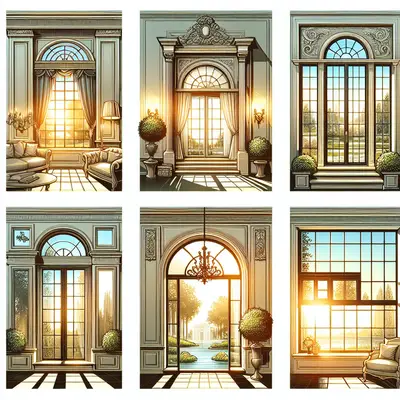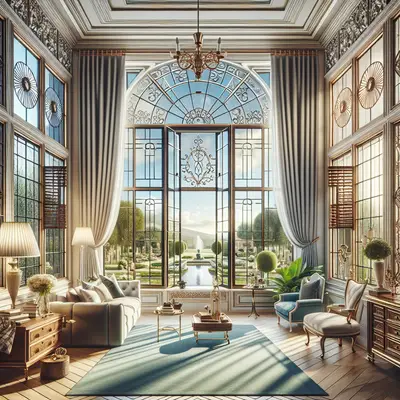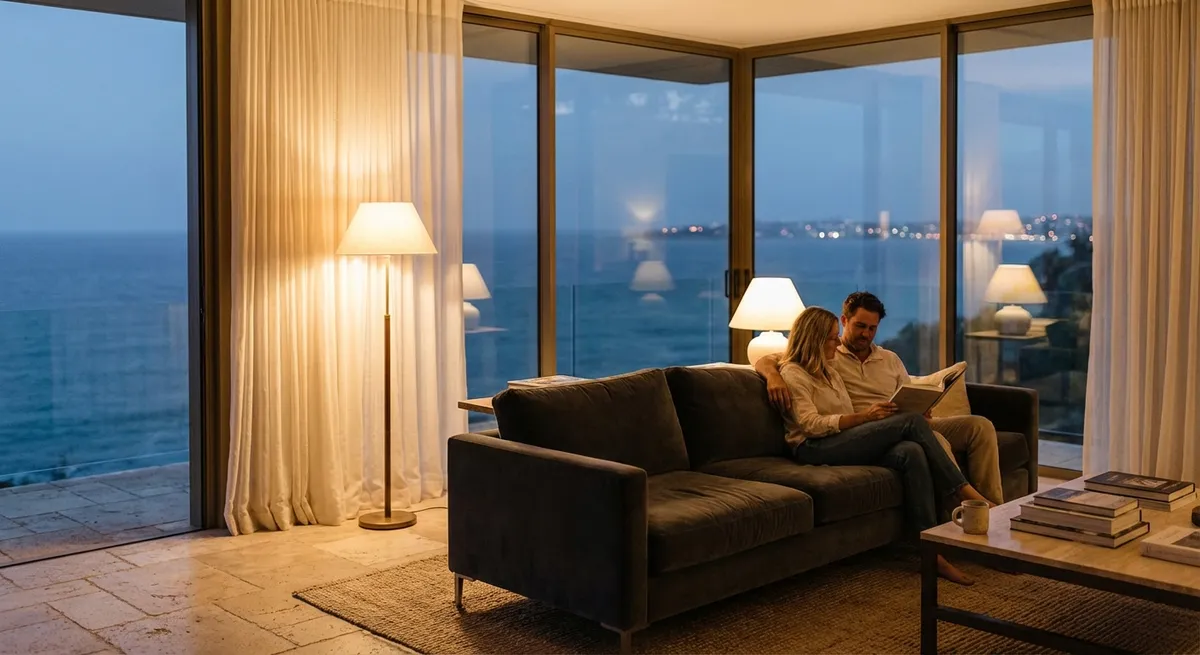
The most refined homes treat windows not as afterthoughts, but as architectural instruments—conductors of light, silence, and view. Selecting the right window types is less about following trends and more about orchestrating a tailored experience: how dawn enters the kitchen, how city noise recedes at night, how a hillside vista is framed like a gallery piece. For homeowners contemplating an upgrade, understanding window types becomes the quiet foundation of a more composed, efficient, and visually coherent home.
This guide moves beyond basic definitions to explore how distinct window types perform in practice—and offers five exclusive, under-discussed insights that sophisticated homeowners consistently leverage to achieve truly exceptional results.
Reading the Architecture: Matching Window Types to the Home’s Character
Before comparing casement to slider or picture to awning, it helps to step back and read the architecture of your home with a curator’s eye. The most successful window upgrades honor the vocabulary of the façade while subtly refining it.
Traditional homes—Colonial, Georgian, Tudor, or Craftsman—typically favor double-hung or single-hung windows with divided lites, because the vertical rhythm echoes historical proportions. That does not mean you are locked into antiquated performance; modern double-hungs can hide advanced glass packages and insulated frames behind timeless profiles. In contrast, contemporary and modernist homes often favor casement, awning, and large picture windows for their clean lines, generous glass area, and minimal framing, supporting a more seamless indoor–outdoor visual link.
Transitional homes sit in a sweet spot: they can mix double-hung windows on the front elevation with large casement or picture configurations at the rear, particularly overlooking a pool, garden, or view. The key is consistency of sightlines—mullion widths, frame color, and grille patterns—so that, even with mixed types, the home reads as one coherent composition rather than a collage of window catalog pages.
Performance by Design: How Window Types Quietly Change Daily Life
Different window types are not merely stylistic choices; they also script how a space feels and functions day to day. The distinctions are subtle yet profound when considered room by room.
Casement windows, hinged at the side and opening outward, excel in performance-focused spaces such as kitchens, studies, and primary bedrooms. Their compression seals close like a door, often achieving superior air tightness and energy efficiency compared with many sliding or older-style double-hung units. They also capture breezes more effectively, angling sash to “scoop” air indoors. Awning windows, hinged at the top, are particularly potent in bathrooms, above showers, and in secondary spaces, allowing ventilation even in light rain while preserving privacy when placed higher on the wall.
Picture windows, which do not open, deliver maximum glass area and the purest possible view and light. When strategically paired with operable flankers—such as casements or double-hungs—they provide both performance and drama. Sliding windows and horizontal gliders can be discreet workhorses in lower-profile applications (for example, above a counter or in a secondary bedroom), where smooth operation and minimal intrusion into exterior living areas matter more than a fully articulated façade.
Bay and bow windows, which project outward, do more than look charming: they expand interior floor perception, deepen window seats and reading nooks, and pull daylight deeper into a room. In well-considered projects, these dimensional windows are positioned where they will elevate a specific daily ritual—morning coffee, evening reading, intimate dining—rather than simply as decorative gestures.
Beyond Glass and Frame: Five Exclusive Insights for Discerning Homeowners
Most window conversations stop at style, glass, and color. The most successful luxury upgrades, however, consider a deeper layer of nuance. These five insights are the kinds of details design-forward homeowners work through with top-tier window consultants—yet they are rarely discussed in mainstream guides.
1. Sightlines Are the New Trim: Curating Visual Continuity
For a refined result, treat sightlines as seriously as you would crown molding or stone selection. Sightlines are the lines your eye traces along the frames, mullions, and meeting rails—both from the interior and the exterior.
When mixing window types (for example, casements at the rear and double-hungs at the front), ask how the horizontal and vertical elements align. Many premium manufacturers offer coordinated product families where mullion widths, sash depths, and profiles are harmonized across types. Aligning the meeting rail of a double-hung with the transom bar of an adjacent picture window can dramatically calm a room’s visual noise. Once you see misaligned sightlines, you cannot unsee them—ensuring alignment is one of the most understated hallmarks of a high-caliber installation.
2. Operability Strategy: Openings as a Ventilation System, Not Random Choices
Rather than deciding window type room by room, think in terms of a whole-house operability strategy. Where will fresh air be essential, and where is view more critical than opening function? Which windows will actually be opened in practice?
Casements on the windward side of the home and awnings on the opposite side can create a gentle cross-ventilation pattern when aligned correctly. High clerestory awning windows in stairwells or double-height spaces can act as “thermal chimneys,” releasing heat at the top of the home and reducing load on mechanical systems. Conversely, in high-exposure or acoustically sensitive elevations facing busy streets or harsh winds, favor fixed picture windows with smaller, strategically placed operable units to maintain comfort and quiet.
3. Frame Composition as a Design Tool, Not Just a Material Choice
The conversation around vinyl, fiberglass, aluminum, wood, or clad frames is usually framed purely in terms of durability and energy efficiency. Sophisticated projects treat frame composition as an aesthetic instrument as well.
Slim-profile aluminum or aluminum-clad frames allow larger expanses of glass with less visual weight, ideal for modernist or view-centric spaces. Fiberglass and high-performance composites can convincingly emulate fine wood profiles while offering stability across temperature swings—critical for large openings. Interior wood with exterior aluminum cladding allows a warm, tactile interior feel while minimizing maintenance outdoors. The frame choice also influences how deep the glass sits, which in turn affects shadow lines around the opening—subtle, but palpable in premium spaces.
4. Acoustic Zoning Through Window Type and Configuration
Not all parts of the home require the same acoustic performance. Instead of over-specifying every window, consider an “acoustic zoning” approach that blends types intelligently.
On noise-exposed elevations—facing a road, school, or dense urban environment—prioritize fixed or casement windows with laminated glass and robust seals, which can significantly reduce exterior noise infiltration. In quiet garden-facing elevations, operable windows with standard insulated glass may be entirely sufficient, allowing budget and design freedom for other enhancements.
Pairing large, fixed picture windows with smaller, high-performing casements can yield a balanced solution: expansive, quiet views with targeted, controlled ventilation. This level of nuance allows homeowners to experience meaningful quiet in bedrooms and studies while still feeling connected to outdoor life elsewhere.
5. Layering Light: Using Window Types to Sculpt Daylight, Not Just Admit It
Daylighting quality—how light behaves over the course of the day—is strongly influenced by window type and placement, not only glass coatings. By varying types thoughtfully, you can sculpt daylight rather than simply increasing its quantity.
Tall, narrow casements or double-hungs emphasize vertical light, drawing the eye upward and making rooms feel loftier. Broad picture windows or sliders expand horizontal views and create a gentle, panoramic wash of light. High-set awning or fixed clerestory windows bring in soft, indirect light, reducing glare on work surfaces and screens. In rooms with layered functions—a living room that must double as a media space, for instance—combining a primary picture window with smaller, strategically placed operable units can maintain abundant light while giving you more control over glare with shading.
By thinking in layers—primary view windows, secondary ventilation windows, and tertiary clerestory or accent glazing—you can transform a standard room into a finely tuned luminous environment.
From Catalog to Composition: How to Curate a Cohesive Window Palette
Once you understand how window types behave, the challenge becomes curation—selecting a limited “palette” of types and repeating them with intention across the home. The most elegant results usually restrict the number of primary window types, then deploy them in coordinated variations.
You might, for example, establish a hierarchy: casement as the primary operable window, picture windows as view amplifiers, and awning units as discreet ventilation pieces in baths and above eye level. Bay or bow windows can be reserved for one or two signature locations—such as a dining niche or reading alcove—so they feel special rather than ubiquitous. Double-hung windows might serve the street-facing façade in a traditional neighborhood context, while more contemporary types unfold at the rear.
Color also plays a pivotal role. Dark exterior frames can visually “disappear” at dusk, turning the glass into a dramatic, reflective surface, while warm interior tones harmonize with wood flooring and millwork. When curated wisely, your final window composition will feel less like a series of individual products and more like a single, continuous architectural gesture that knits together interior and exterior.
Conclusion
A window upgrade, approached thoughtfully, is less about swapping out aging units and more about refining the way your home lives, sounds, and feels. Each window type—casement, awning, picture, double-hung, slider, bay, or bow—brings distinct strengths, but it is the nuanced orchestration of these types that distinguishes a merely updated home from a truly elevated one.
By paying attention to sightlines, operability strategy, frame composition, acoustic zoning, and the sculpting of daylight, you step beyond basic product selection into genuine architectural curation. The result is a home where every opening is purposeful, every view is considered, and every room benefits from windows that quietly perform at the level of the rest of your carefully chosen finishes.
Sources
- [U.S. Department of Energy – Energy-Efficient Windows](https://www.energy.gov/energysaver/energy-efficient-windows) - Authoritative overview of window types, efficiency considerations, and performance factors.
- [Efficient Windows Collaborative – Window Types Overview](https://www.efficientwindows.org/types-of-windows/) - Detailed explanations of common window types and how they impact comfort and energy use.
- [National Fenestration Rating Council (NFRC)](https://www.nfrc.org/consumers) - Explains window performance ratings (U-factor, SHGC, etc.) relevant when comparing different window types.
- [University of Minnesota – Daylighting and Windows](https://www.bbe.umn.edu/sites/bbe.umn.edu/files/2021-10/daylighting_for_residential_windows.pdf) - Research-based discussion of how window configuration affects daylight quality.
- [Milgard Windows & Doors – Window Styles](https://www.milgard.com/windows) - Manufacturer resource illustrating practical applications and design differences among major window styles.
Key Takeaway
The most important thing to remember from this article is that this information can change how you think about Window Types.