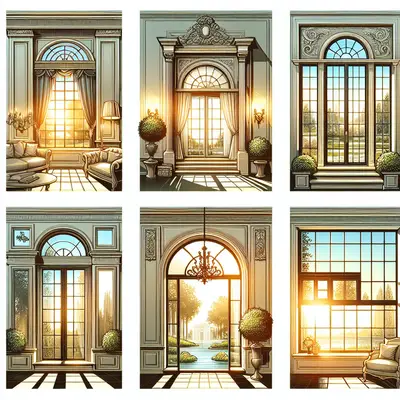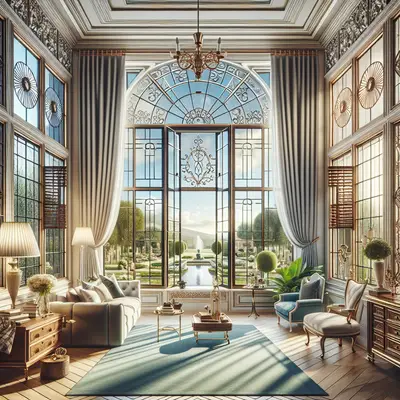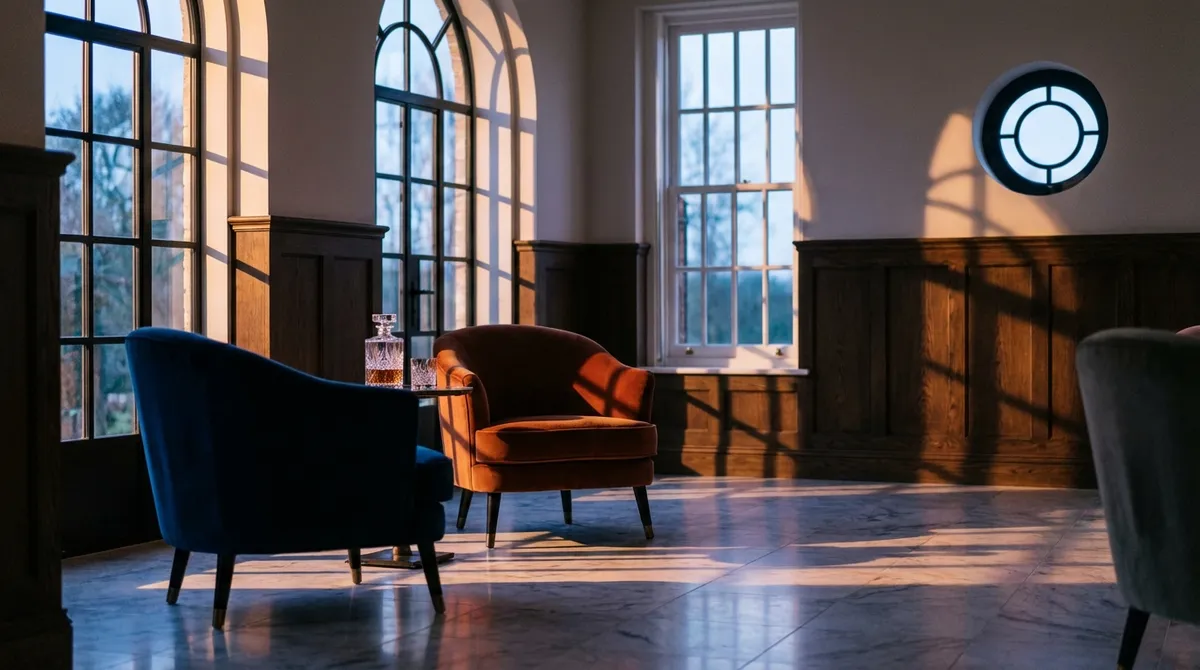
In considered homes, windows do more than admit light—they choreograph it. They define sightlines, modulate acoustics, and quietly anchor the character of a room. Selecting the right window types is not a matter of catalog browsing; it is an exercise in architectural intent, long-term performance, and tactile experience. For the discerning homeowner, understanding the nuances of window typologies is essential to crafting a residence that feels both visually elevated and functionally effortless.
Understanding Window Typology as Architectural Language
Window types—casement, double-hung, picture, tilt-and-turn, sliders, and beyond—each speak a distinct architectural dialect. A casement, with its side-hinged opening, often pairs naturally with contemporary and European-inspired design, emphasizing clean vertical lines and unobstructed views. Double-hung windows, by contrast, are deeply rooted in American architectural tradition, harmonizing beautifully with historic and transitional homes.
Fixed or picture windows offer uninterrupted glass expanses that frame landscape as art, but their lack of operability demands a complementary strategy for ventilation. Tilt-and-turn windows bring a distinctly continental sensibility, offering both secure micro-ventilation and full opening in a single form, making them particularly compelling for urban or high-performance envelopes. Understanding these underlying design “personalities” ensures that your window choices reinforce, rather than dilute, the architectural narrative of your home.
Exclusive Insight #1: Design Cohesion Comes from Rhythm, Not Uniformity
Homeowners often assume that “matching” windows throughout a home is the hallmark of good design. In reality, sophisticated window schemes rely less on uniformity and more on rhythm—a deliberate variation that feels intentional rather than arbitrary. The most elegant residences employ a curated family of window types that respond to program, orientation, and view priority.
For example, a street-facing façade may favor double-hung windows to maintain a classic elevation, while a garden-facing rear façade transitions to taller casements or expansive picture windows to celebrate the landscape. Bedrooms may pair smaller operable units with fixed sidelites to balance privacy and light, while stairwells might feature vertical strip windows that elongate the space. The key is a cohesive grammar: consistent proportions, grille patterns, finishes, and mullion logic—allowing each window type to adapt to the room’s needs while still reading as part of a unified composition.
Exclusive Insight #2: Operability Strategy Is as Critical as Glass Selection
Most homeowners focus on glass performance (low-E, solar heat gain, visible transmittance) yet underestimate the importance of an operability strategy: where, how, and how often windows will actually be used. Different window types offer fundamentally different experiences in daily life.
Casements catch breezes like a sail, directing air deeper into the room—ideal for cross-ventilation in living spaces. Awning windows, hinged at the top, can remain open during light rain, making them exceptional for bathrooms or above kitchen counters where protection from the elements matters. Tilt-and-turn units enable secure night ventilation, particularly valuable for ground-floor bedrooms or urban settings where full opening may not feel comfortable. Even in highly efficient homes with mechanical ventilation, this operability choreography affects comfort, acoustics, and how spaces are actually inhabited. A premium window specification is not simply about the glass; it is about how the window invites interaction throughout the day and across seasons.
Exclusive Insight #3: Frame Profiles Silently Dictate Your View
When evaluating window types, frame design is often treated as an aesthetic detail, when in reality it is a performance element that profoundly affects the view experience. A slim, thermally broken aluminum or fiberglass frame can transform a modest opening into a remarkably expansive panorama, while a bulky frame can visually “shrink” even a generously sized window.
Different window types inherently demand different structural approaches. Large sliders and floor-to-ceiling fixed units can support ultra-slim profiles, especially in higher-end systems engineered to manage wind loads with minimal bulk. Traditional double-hung units, however, require deeper meeting rails and balances, introducing thicker sightlines at the center. For clients prioritizing an immersive visual connection to the outdoors, this often leads to a hierarchy of types: large fixed or casement units in view-critical spaces (living rooms, dining rooms, owner’s suite), and more traditional or compact operable types in secondary spaces. The most refined window packages intentionally “spend” slim-framed solutions where they matter most.
Exclusive Insight #4: Window Type Should Reflect Climate, Not Just Style
Certain window types are inherently better suited to specific climates and exposures, especially in high-performance or low-maintenance homes. In coastal or high-wind regions, casements and awnings can offer superior air sealing when closed, as wind pressure pushes the sash tighter against the frame. In colder climates, tilt-and-turn windows combined with triple glazing can deliver exceptional thermal performance and air tightness, often meeting or exceeding stringent energy codes and passive-building standards.
In hot, sun-exposed regions, large fixed units paired with operable flanking windows can manage solar gain more effectively when combined with deep overhangs or exterior shading devices. Dense urban settings, where noise and air quality are concerns, may benefit from fewer but higher-performance operable units, complemented by larger fixed units to preserve light and view without compromising acoustics. Selecting types purely on aesthetic preference without considering climate nuance can diminish comfort and long-term performance. A refined strategy presumes that climate, orientation, and window type are inseparable decisions.
Exclusive Insight #5: Interior Experience Should Lead, Exterior Expression Should Follow
Most homeowners first evaluate windows from the street, but the most sophisticated designs begin with the interior experience and then reconcile that with the façade. Different window types support different furniture arrangements, artwork placement, and circulation patterns. A wall of floor-to-ceiling sliders may be visually compelling, but if it compromises privacy or makes a room impossible to furnish, it becomes a daily frustration rather than a luxury.
Casements that swing inward may be exquisite in a European-style interior but need careful consideration near drapery or built-ins. Awning windows above eye level can preserve wall space for art while still delivering fresh air and daylight. Narrow vertical units can define zones in open-plan spaces without feeling enclosed. By prioritizing how each room is used—where you will sit, read, work, or wake up—you can choose window types that enhance those rituals. The exterior elevation is then composed with these interior-driven choices in mind, resulting in a façade that feels resolved rather than simply decorative.
Curating a Window Portfolio, Not Just a Product List
For a premium home, windows should be approached as a curated portfolio, not a generic product schedule. Start by defining the role of each key space—retreat, gallery, gathering place, vantage point—and align window types accordingly. Use casements or tilt-and-turns where tactile engagement and ventilation are paramount, fixed units where view and light reign, and specialty types (awnings, clerestories, corner windows) to introduce moments of quiet drama.
The most successful window upgrades are those where every aperture feels inevitable, as though it could not have been designed any other way. When window types are selected with equal attention to architecture, climate, daily ritual, and visual refinement, the result is a home that not only looks elevated, but lives beautifully—silently performing at a higher standard every day.
Sources
- U.S. Department of Energy – Efficient Windows - Overview of window types, performance considerations, and energy-efficient design strategies
- Efficient Windows Collaborative – Window Selection - Detailed guidance on choosing window types based on climate, performance, and design goals
- National Park Service – Preservation Brief on Windows - Insight into traditional window typologies and their architectural character, valuable for design cohesion in historic and transitional homes
- Lawrence Berkeley National Laboratory – Windows and Daylighting - Research-based information on window performance, glazing systems, and the impact of design on comfort and energy use
- APA – The Engineered Wood Association: Window and Door Openings - Technical perspective on structural and framing considerations that influence window size, type, and placement
Key Takeaway
The most important thing to remember from this article is that this information can change how you think about Window Types.